 AIRPRO SOLUTIONS
Ductless Mini-Split in Los Angeles and Southern California
Need heating and cooling for a room, ADU, garage conversion, or older home without ductwork? AIRPRO SOLUTIONS provides residential and commercial ductless mini-split service in Los Angeles and across the South Bay, Orange County, and the Inland Empire.
- Licensed HVAC contractor
- Residential and commercial
- Heat-pump models heat and cool
- 4 Southern California regions
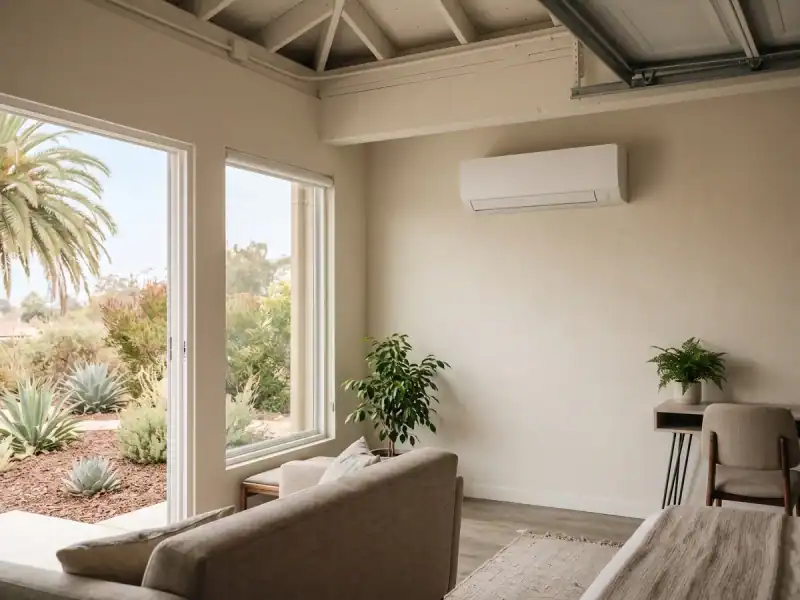 Ductless comfort for ADUs and homes
Quick answer
A ductless mini-split is a heating and cooling system with an outdoor unit and one or more indoor units connected by refrigerant lines, so it conditions rooms without a full duct system. Many models are heat pumps that both cool and heat.
Across Southern California
How Southern California conditions shape ductless mini-split planning
Los Angeles County. A large, varied market. Coastal areas have ocean moderation and inland and valley areas can run hotter, so the design follows the room, the house, and how you use the space. Mini-splits are often considered for older homes, additions, and rooms the central system does not reach well.
South Bay. Marine influence generally moderates temperatures, but upper floors, west-facing rooms, offices, and sun-exposed additions can still call for targeted cooling. A mini-split is one way to add it where ductwork is limited.
Orange County. Orange County includes both coastal and inland conditions, so the right system depends on the property. Sizing, placement, and keeping washable indoor filters clean matter more than a countywide rule. HOA rules for outdoor equipment vary by property.
Inland Empire. Inland areas have less marine influence and can see stronger heat events, so correct sizing, insulation, shade, and electrical readiness matter more. Whether a mini-split fits a specific room is a load-based decision.
Ductless mini-split facts
- Coast and inland
- NOAA's Los Angeles climate report calls the marine layer the prominent weather feature for the Los Angeles Basin for much of the year, and says transitions between climate zones depend on elevation and distance from the ocean and can be striking
- Existing R-410A systems
- Existing R-410A systems can still be serviced
- Air quality
- South Coast AQMD names ozone and particulate matter as the region's primary air pollutants
Sources: NOAA National Weather Service - Climate of Los Angeles, California (NWS WR-261), U.S. EPA - HFC phasedown FAQ, South Coast AQMD - Air quality
Cities we serve
Where we do this
Local pages for the cities we serve across Southern California.
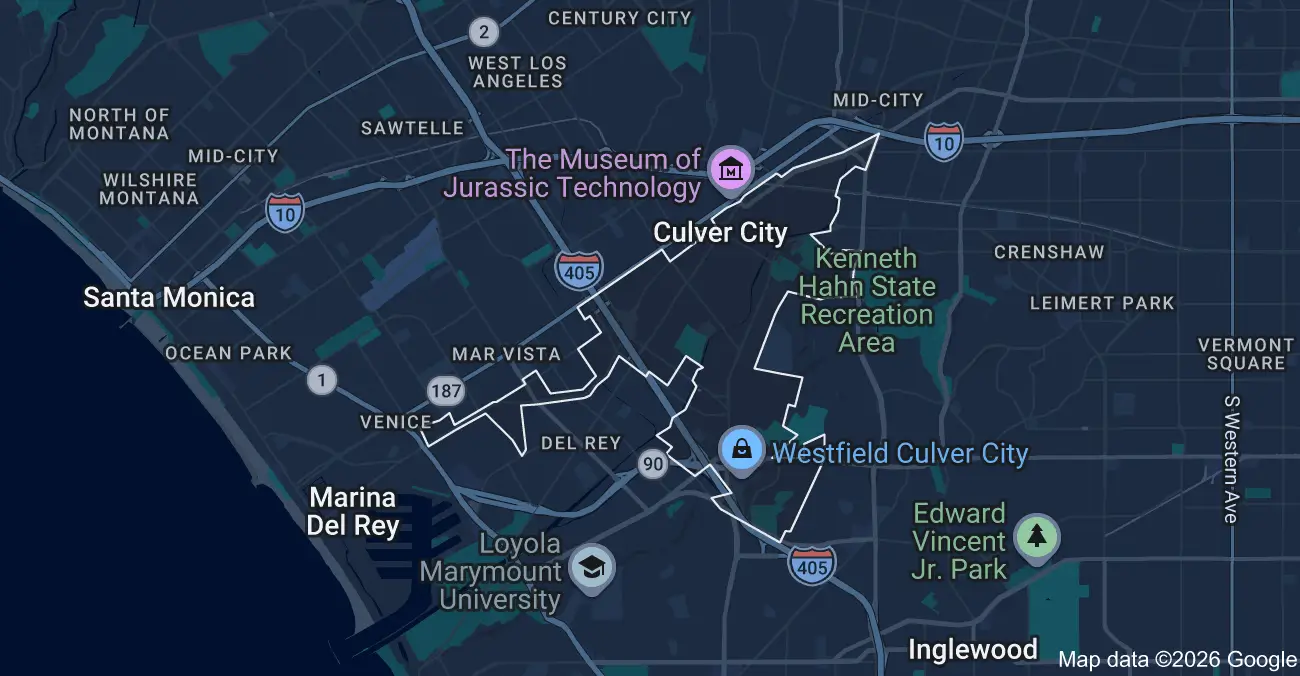
Culver City
Near-even single-family and multifamily mix. Has its own Building Safety Division for permits.
View area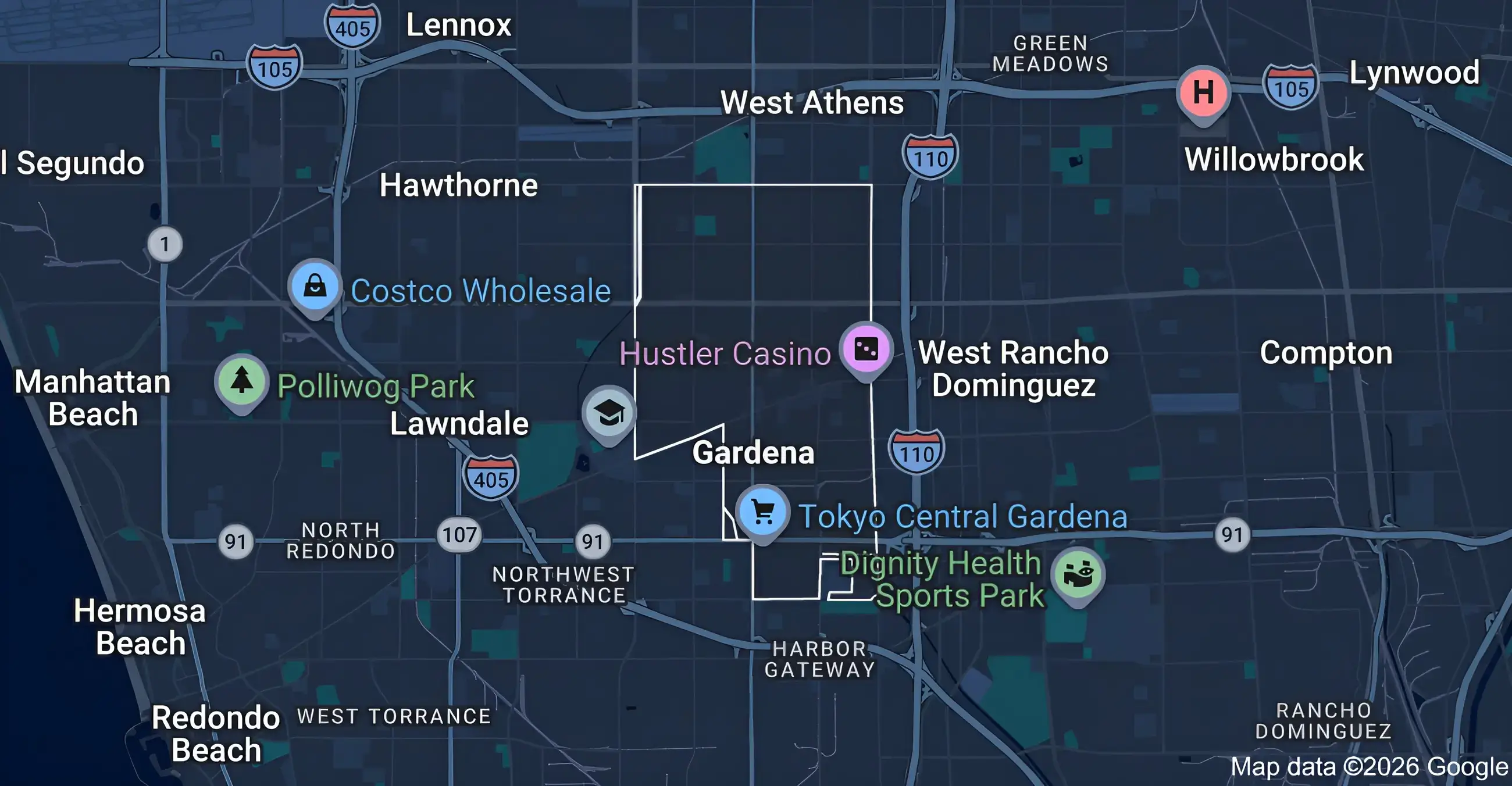
Gardena
HVAC and forced-air unit permits are over-the-counter types and need CF1R forms.
View area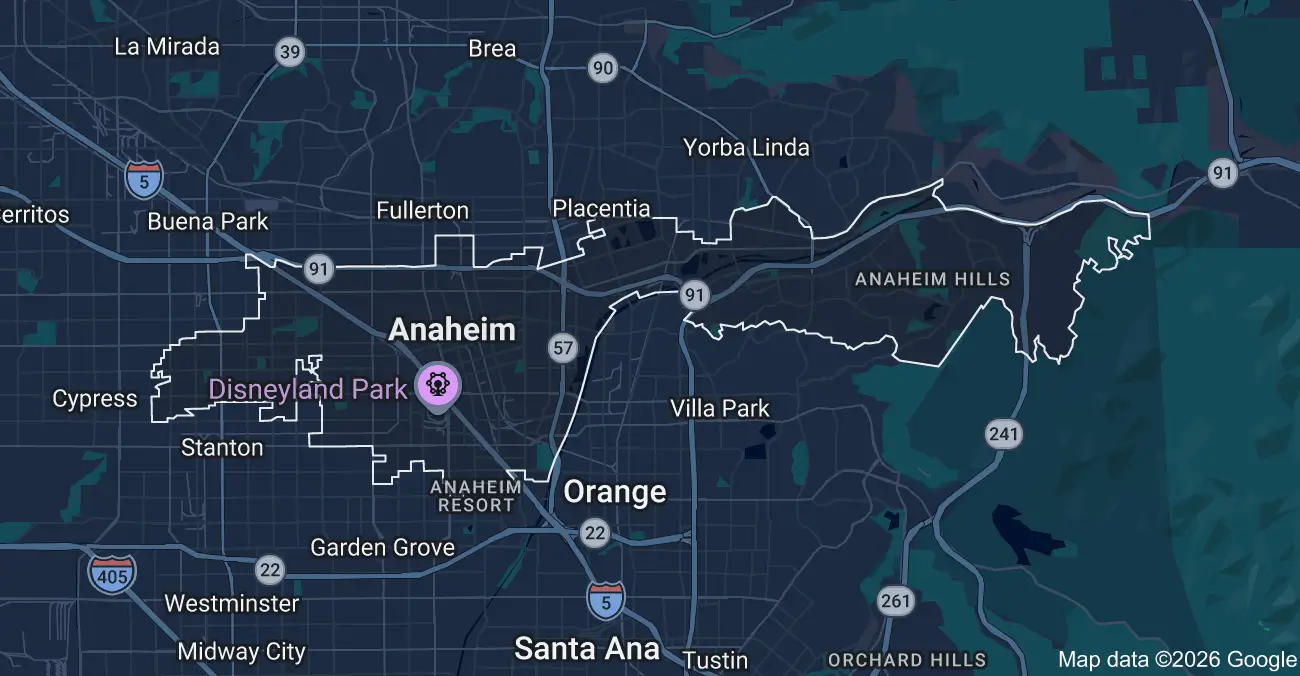
Anaheim
The largest housing stock of the eight cities, at 108,222 units, with 45.4% multifamily. It is the only city here with a municipal electric utility, Anaheim Public Utilities, which runs its own home incentive program. 44.6% of housing was built before 1970 (SCAG, ACS 2017).
View area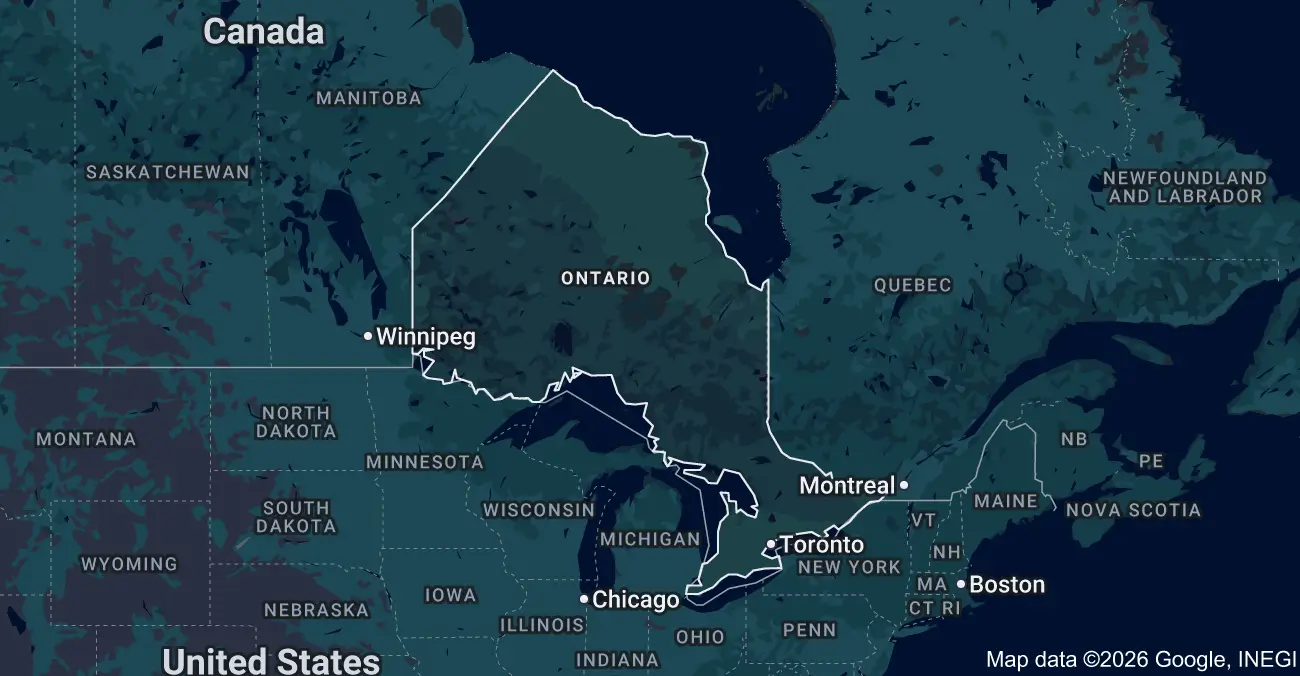
Ontario
36.1% of homes were built before 1970, and Ontario Ranch adds new construction. The City names Southern California Edison as the electric utility and Southern California Gas Company as the gas utility.
View area
Hawthorne
Residential inspections are scheduled in the City’s Citizen Self Service portal. Clean Power Alliance supplies generation.
View area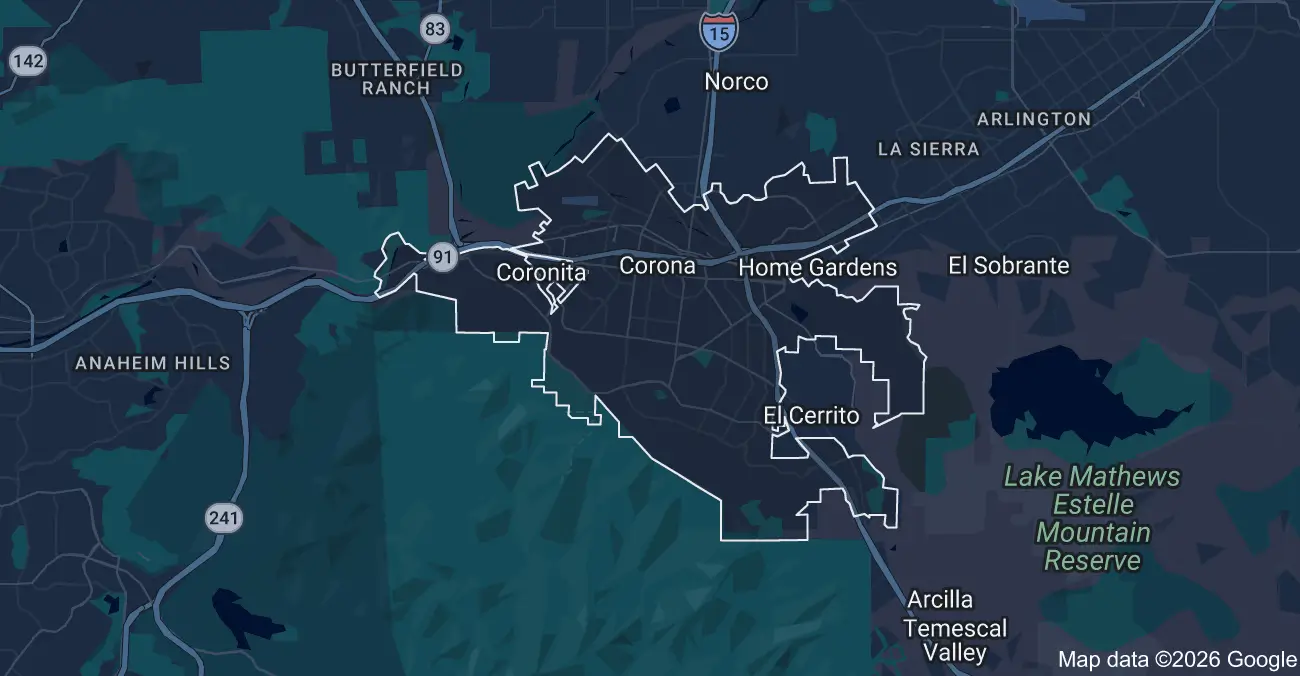
Corona
15.6% of homes were built before 1970, and 66.9% are detached homes. Electric service is mostly SCE, with small city electric areas, and the City sets setback and noise rules for outdoor units.
View area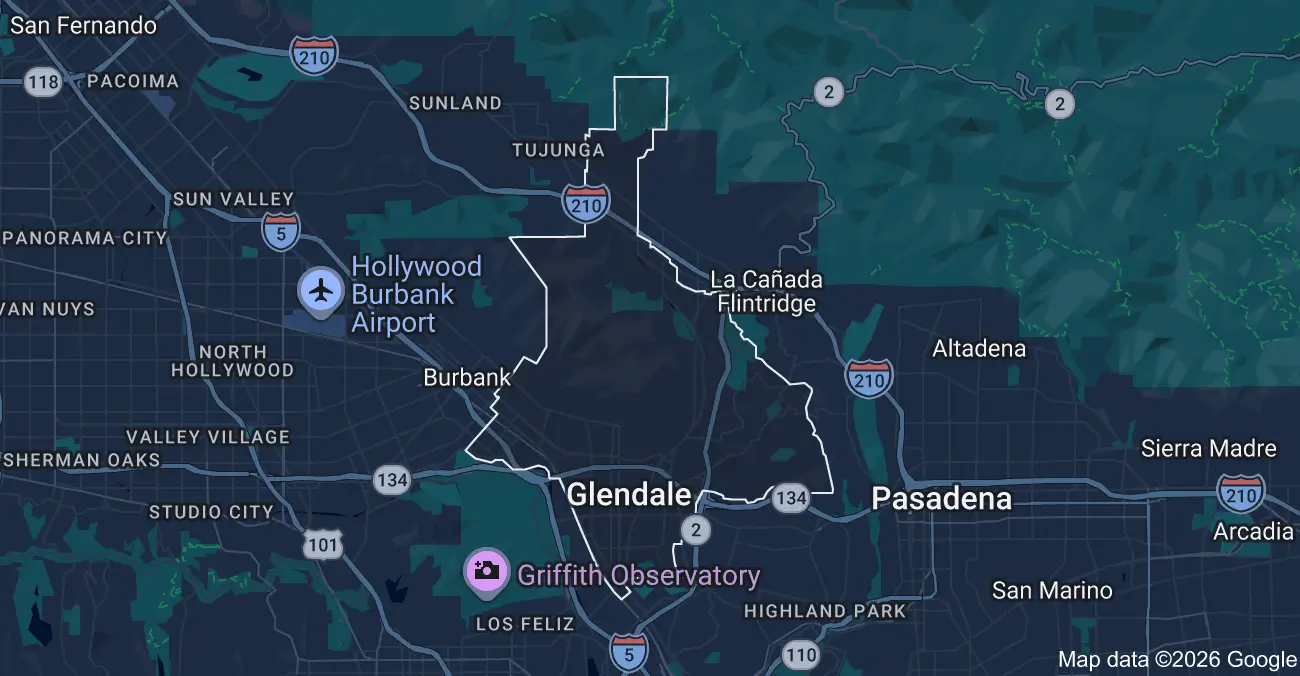
Glendale
Has its own AC replacement code page and zone noise limits, with 60.9% multifamily housing (2018).
View area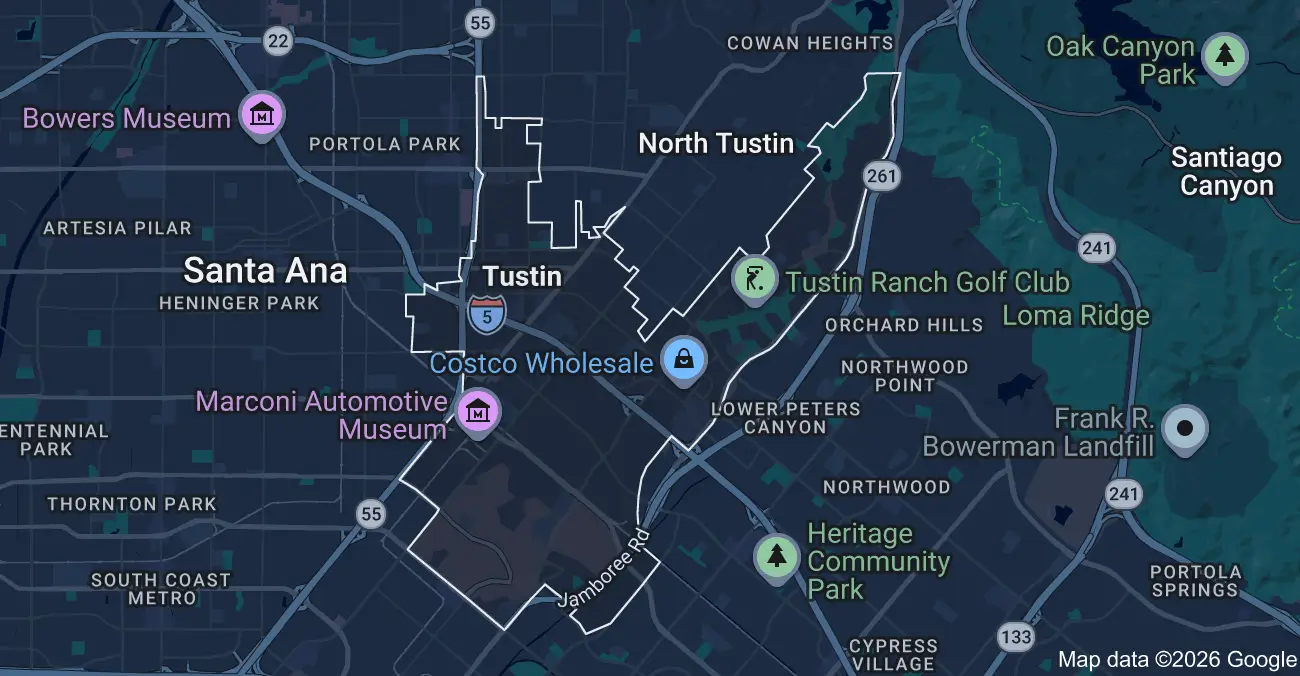
Tustin
The City's Permits Process page says a permit is valid for 180 days unless work is active and progressing, and a City handout dated June 1999 says a permit is required to install or replace a furnace or air conditioner. We confirm the current steps with the City.
View areaStart here
What are you trying to do?
Pick the line that sounds like your situation.
Add cooling and heating to one room
A room, ADU, garage conversion, or addition with no usable ductwork.
See where mini-splits fitServe several rooms
Compare single-zone, multi-zone, and concealed ducted layouts.
Compare system typesMy mini-split has a problem
Weak cooling, water leaks, error codes, or noise point to a fault that needs diagnosis.
See warning signsCompare with central AC or a furnace
Decide whether ductless, ducted, or a mix fits how you use the building.
See AC installationWhen to call right away
Call promptly if:
- Water is leaking near electrical components or onto finishes
- You smell burning from the indoor or outdoor unit
- The breaker keeps tripping when the system starts
- Cooling has failed during high heat, especially with someone in the home who is vulnerable to heat
- A commercial outage is affecting your operations
If you see smoke or fire, or feel immediate electrical danger, get everyone out and call emergency services first.
Signs you need this
Common signs your mini-split needs service
Weak or warm air from the indoor head, even when the system is running
One zone behaving differently from another on a multi-zone system
Water dripping from the indoor unit or the wall around it
An error code, unexpected stops, or repeated restarts
Unusual noise or an outdoor unit that does not run
A breaker that trips when the system starts, or odors or moisture around the indoor head
Diagnosis
What mini-split symptoms can mean
A symptom rarely points to one cause. These are the areas a technician tests, not a diagnosis.
| What you notice | What a technician checks |
|---|---|
| The head runs but the air is not cool or warm | Filters, airflow, settings, sensors and controls, refrigerant performance, and the outdoor unit. Causes range from a dirty filter to a refrigerant or compressor problem. |
| One zone differs from another | Indoor-head airflow, zone controls, how capacity is shared across heads on a multi-zone system, and installation conditions. |
| Water drips from the indoor unit | The condensate drain path, any condensate pump, and installation conditions. |
| An error code or repeated restarts | The code against the manufacturer's documentation, sensors, control boards, and the electrical supply. |
| Weak airflow after cleaning the filter | Airflow restrictions, the indoor fan, coil condition, and controls. |
| The outdoor unit is noisy or does not run | The outdoor fan, compressor, electrical components, and mounting and vibration. |
| A breaker trips at start-up | The electrical supply, circuit protection, the outdoor unit, and wiring. Electrical safety diagnosis is required. |
Where it fits
Places a ductless mini-split often makes sense
ADU or garage conversion
A newly conditioned space can get its own heating and cooling. Load, insulation, permits, and electrical capacity still apply.
Older home without ducts
Ductless can avoid extensive new duct runs. Wall construction, electrical condition, and historic-district rules are specific to each property.
A room the central system misses
A hot or cold room, bonus room, office, or addition can get its own control. A mini-split is not automatically better than adjusting the existing system.
Condo or townhome
Feasibility depends on HOA approval, outdoor-unit placement, condensate routing, noise rules, and electrical capacity.
Replacing room-by-room equipment
Window units, portable AC units, electric resistance heating, or aging room-by-room equipment can be candidates for replacement.
Small commercial space
Offices, retail rooms, tenant suites, and equipment rooms may suit ductless. Load calculations, ventilation, access, and code can change the design.
Equipment
Systems we service
Tell us what you have or what you are planning and we will confirm we can work with it.
Single-zone mini-split
One outdoor unit paired with one indoor unit. Suited to one room, a small addition, an ADU, an office, or a garage conversion when it is sized correctly.
Multi-zone mini-split
One outdoor unit connected to several indoor units, each with its own control. Capacity sharing and line-set design have to be worked out for the specific rooms.
Heat-pump models
A heat pump provides both cooling and heating. Many mini-splits are heat pumps, so confirm the heating capability of the specific model.
Ceiling cassette
An indoor unit recessed into the ceiling. It needs ceiling space, condensate routing, and access.
Floor-mounted indoor unit
A low, wall-mounted indoor unit that can suit some retrofit layouts. Model availability varies.
Concealed ducted mini-split
A mini-split air handler connected to short duct runs, for occupants who prefer less visible supply grilles. Duct design and access matter.
Rooftop and packaged units are a different system type. See commercial HVAC for those.
How it works
How a mini-split project works
- 01
Request
You describe the room, the comfort problem, the existing HVAC, and whether this is new, replacement, or repair.
- 02
Assess
A technician looks at room size, insulation, glazing, sun exposure, head and outdoor-unit locations, condensate routing, line-set path, and electrical capacity.
- 03
Design and size
The system type and capacity follow the property's load, not a square-footage rule of thumb.
- 04
Scope and permit
The equipment, zones, electrical work, condensate, penetrations, permit responsibility, and exclusions are discussed with you.
- 05
Install
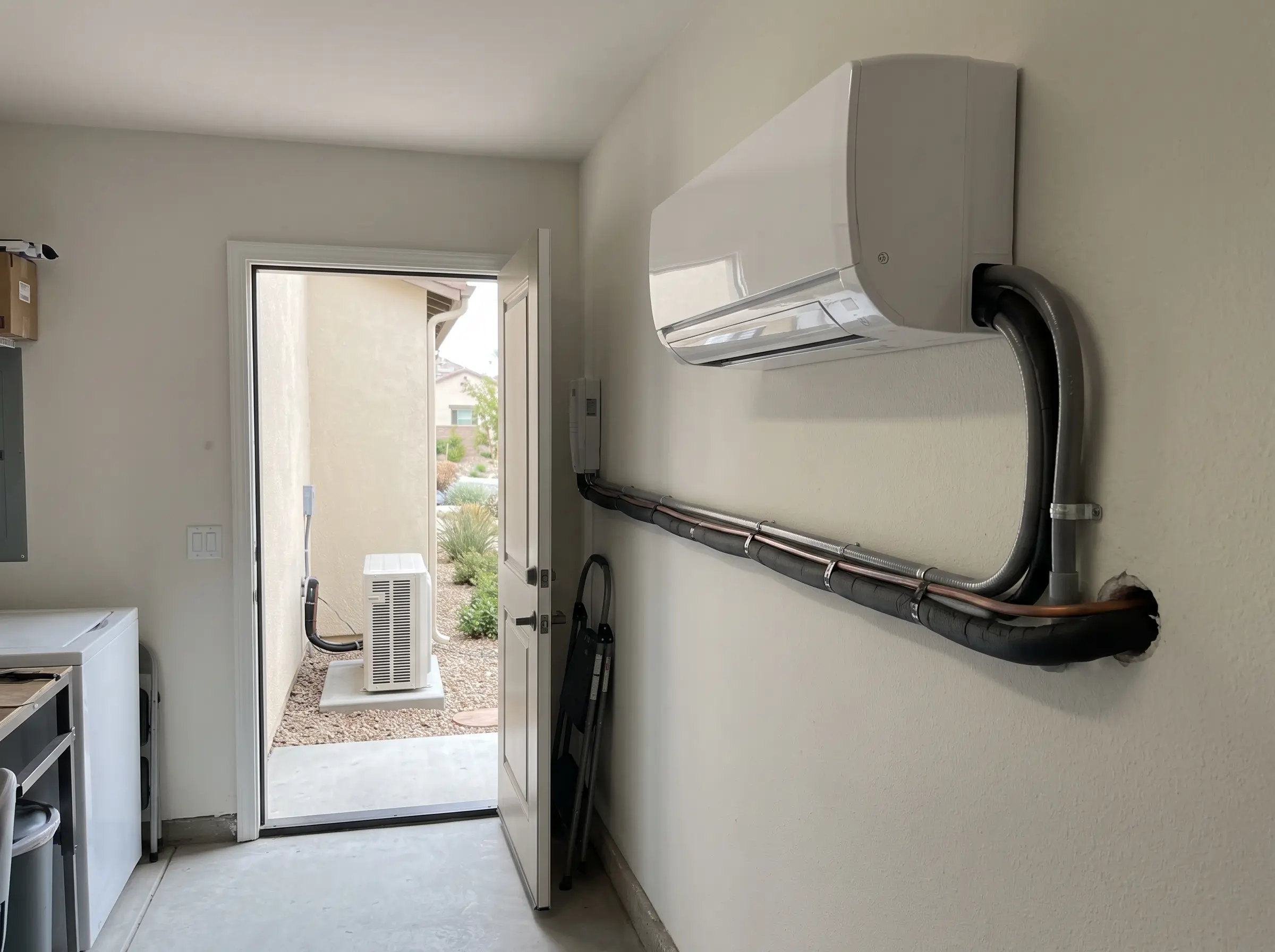
Indoor heads and the outdoor unit are mounted, insulated lines and controls routed, drainage and power connected, then the system is tested, evacuated, and charged per the manufacturer.
- 06
Commission and hand off
Heating, cooling, airflow, drainage, and controls are verified, and filters, controls, and maintenance are discussed with you. Any required inspection follows.
The project
What is included and what can cost extra
A typical installation may include
- The outdoor unit and the specified indoor unit(s)
- Standard mounting hardware
- Standard line-set, communication wire, and condensate components
- An outdoor pad, wall bracket, or approved equipment support
- Start-up and functional verification
What can add to the cost
- Permit fees and processing, if not included in the quote
- An electrical panel upgrade, subpanel, new circuit, trenching, or long circuit runs
- Extra-long line-set routing, line covers, and wall or roof penetrations
- Crane lifts, roof work, elevated platforms, seismic engineering, or specialty brackets
- Drywall, stucco, paint, cabinetry, or landscaping restoration
- HOA applications, architectural review, tenant coordination, or after-hours commercial work
- Extended labor warranty, smart controls, or accessories
Ask which of these apply to your project and get them in writing before you approve the work.
Choosing a layout
Single-zone, multi-zone, or concealed ducted?
| Option | Often fits | Plan for |
|---|---|---|
| Single-zone | One room, an addition, an ADU, an office, or a garage conversion | One indoor unit per outdoor unit and a system sized to that space |
| Multi-zone | Several rooms that need separate temperature control | How capacity is shared across heads, longer line-set runs, and the electrical scope |
| Concealed ducted | Occupants who prefer less visible supply grilles | Short duct runs, duct design, and access for the air handler |
A mini-split can sometimes take the place of central equipment, but whether one system can replace all of your existing equipment depends on load calculations, layout, electrical capacity, insulation, and how you use each room. It is decided property by property.
Which refrigerant will a new mini-split use?
It depends on the equipment. EPA's rules on which refrigerants may be used in new residential and light-commercial installations have changed more than once, and which rules apply depends on the equipment and when it was made or imported. Existing R-410A systems can still be serviced. Newer refrigerants can be A2L-classified, and safety requirements vary by matched equipment, so the refrigerant should follow the manufacturer's instructions for the exact system. Ask your contractor which rules apply to the equipment in your proposal.
Sources: U.S. EPA - HFC phasedown FAQ, U.S. EPA - SNAP substitutes for residential and light-commercial AC and heat pumps
Pricing
What affects mini-split cost
Mini-split pricing depends on the design and the site, not only the number of rooms. Ask for a written scope that names the equipment, the zones, the electrical work, the permits, and the total before work begins.
| Cost driver | What moves the price |
|---|---|
| Zones and indoor units | The number of heads, and single-zone versus multi-zone outdoor equipment |
| Capacity and efficiency | Required heating and cooling capacity, the efficiency rating, and the equipment model |
| Indoor-unit type | Wall mount, ceiling cassette, floor mount, or concealed ducted air handler |
| Line-set and access | Line length, routing, concealment, wall or roof penetrations, and the outdoor-unit location |
| Condensate | Drainage routing and whether a condensate pump is needed |
| Electrical | A dedicated circuit, disconnect, panel or subpanel work, trenching, and service upgrades |
| Permits and code | Permit fees, plan review, inspections, Title 24 documentation, and applicable verification |
| Site conditions | HOA coordination, tenant scheduling, after-hours commercial work, finish repair, and structural changes |
Sizing is specific to each property. There is no universal rule for how many square feet one system covers.
Existing system?
Repair or replace a mini-split?
Repair may make sense when
- The fault is isolated and has been diagnosed
- The equipment is relatively new or under warranty
- Parts and refrigerant service are available for the system
- The layout still serves the rooms you use
Replacement may make sense when
- The system needs repeated or major repairs
- The equipment is near or past its expected life
- Parts or service support are hard to find
- The rooms or zones have changed and the layout needs a redesign
There is no fixed threshold. The decision depends on the diagnosis, equipment age, repair scope, refrigerant, and warranty status. We diagnose first, then explain the repair and replacement options.
The rules
Licensing, permits, and energy-code basics
Licensing
California requires a CSLB-licensed contractor for projects of $1,000 or more in labor, materials, and all other costs, and for any project that needs a building permit or uses employee labor. California's C-20 classification covers fabricating, installing, maintaining, servicing, and repairing warm-air heating systems, ventilating systems, air-conditioning systems, and the ducts, registers, flues, humidity and thermostatic controls, and air filters in connection with any of these systems. You can verify a contractor's license, bond, workers' compensation status, and history on the CSLB website.
Permits
New and replacement installations are typically permitted work, and the city or county where the property is located issues the permit and handles inspections. New circuits, disconnects, or panel work can involve separate electrical scope. We can explain the permit path before work begins.
Energy code
The 2025 California Energy Code applies to permit applications submitted on or after January 1, 2026. Depending on the scope of your project, it may need Title 24 documentation and field verification.
Incentives
Rebates and incentives that may apply
Utility and state programs change often and can run out of funds. Whether one applies depends on your utility, income, equipment, and address. Confirm with the program before you buy.
LADWP
$1,500 to $2,500 per ton
LADWP lists this range for qualifying ductless mini-split and multi-split heat-pump systems, by efficiency tier. It applies to active LADWP residential electric customers. LADWP states that new construction and Accessory Dwelling Units (ADUs) are not eligible. You apply after purchase and installation, within 12 months of purchase, and funds are limited and not guaranteed.
LADWP Consumer Rebate Program →SCE
Varies
Southern California Edison lists rebates and financial assistance, and its income-qualified Energy Savings Assistance program serves eligible households. Amounts, eligibility, and availability change, so confirm current offers for your address.
SCE Rebates and Financial Assistance →CEC
Check status
California's single-family HEEHRA rebates were fully reserved statewide as of February 24, 2026. Funding and status change, so check the program page for current dates and availability. The state's Equitable Building Decarbonization program may support eligible households.
California Energy Commission rebate programs →Who this is for
Residential and commercial mini-split service
- Single-family homes
- Condos and townhomes
- ADUs and garage conversions
- Older homes without ducts
- Small offices and retail
- Room additions
Access matters as much as the equipment. HOA rules, balconies and roofs, wall construction, and electrical capacity all change how a mini-split is planned. We assess the property and the equipment, not the ZIP code. Commercial HVAC · Residential HVAC
Where we work
Mini-split service across Southern California
Southern California is not one climate. NOAA's Los Angeles climate report calls the marine layer the prominent weather feature for the Los Angeles Basin for much of the year, and says transitions between climate zones depend on elevation and distance from the ocean and can be striking. That is why a mini-split is sized to the room, not to a county.
South Coast AQMD names ozone and particulate matter as the region's primary air pollutants, and its area includes all of Orange County and large parts of Los Angeles, Riverside, and San Bernardino counties. For a mini-split, that is a reason to keep washable indoor filters clean as the manufacturer directs. It is not a reason to expect a mini-split to remove smog. California reliability reporting also cites extreme-weather demand during summer heat, which is a reason to plan cooling before a heat event.

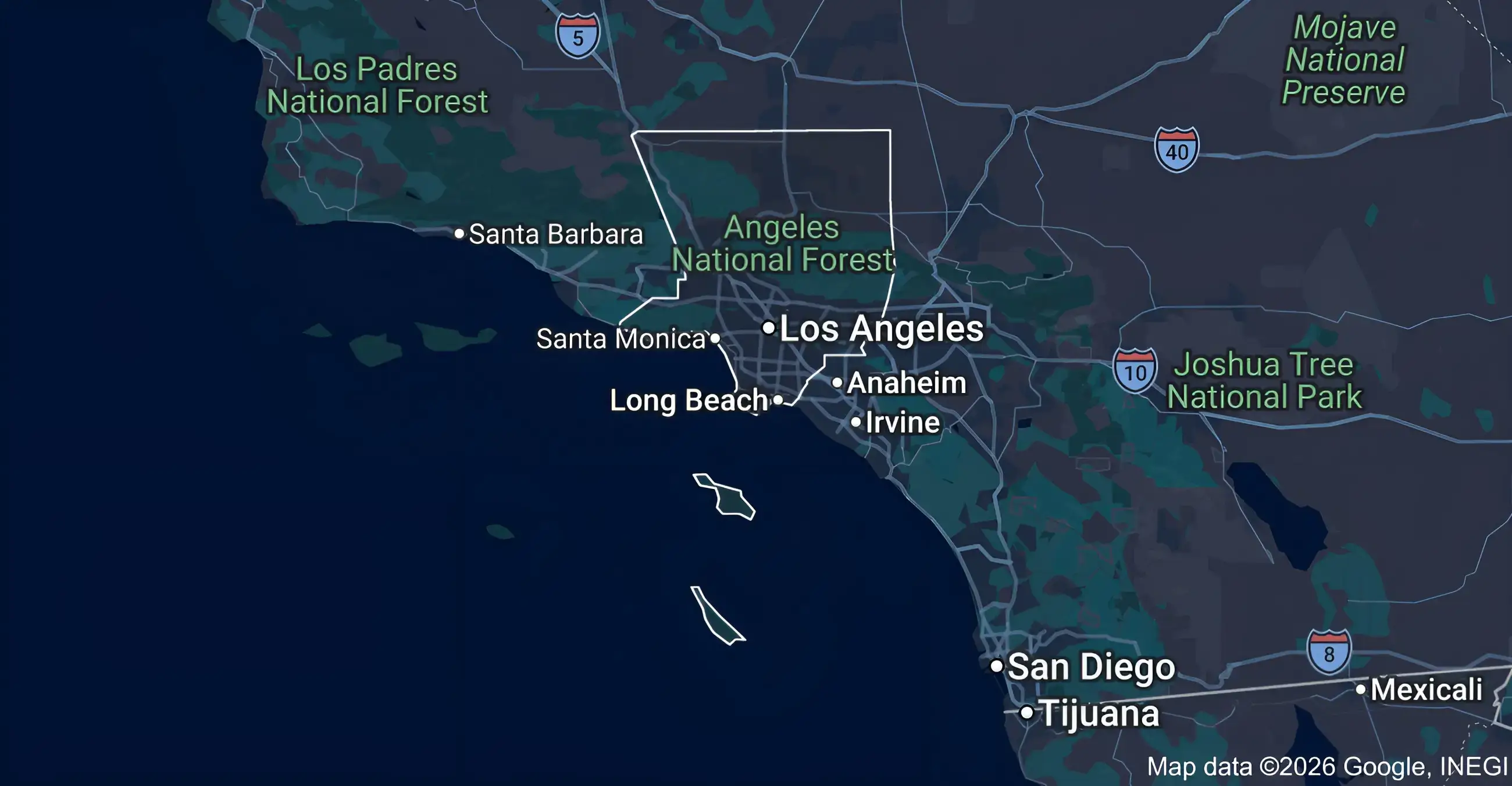
Los Angeles County
Mini-split service in LA County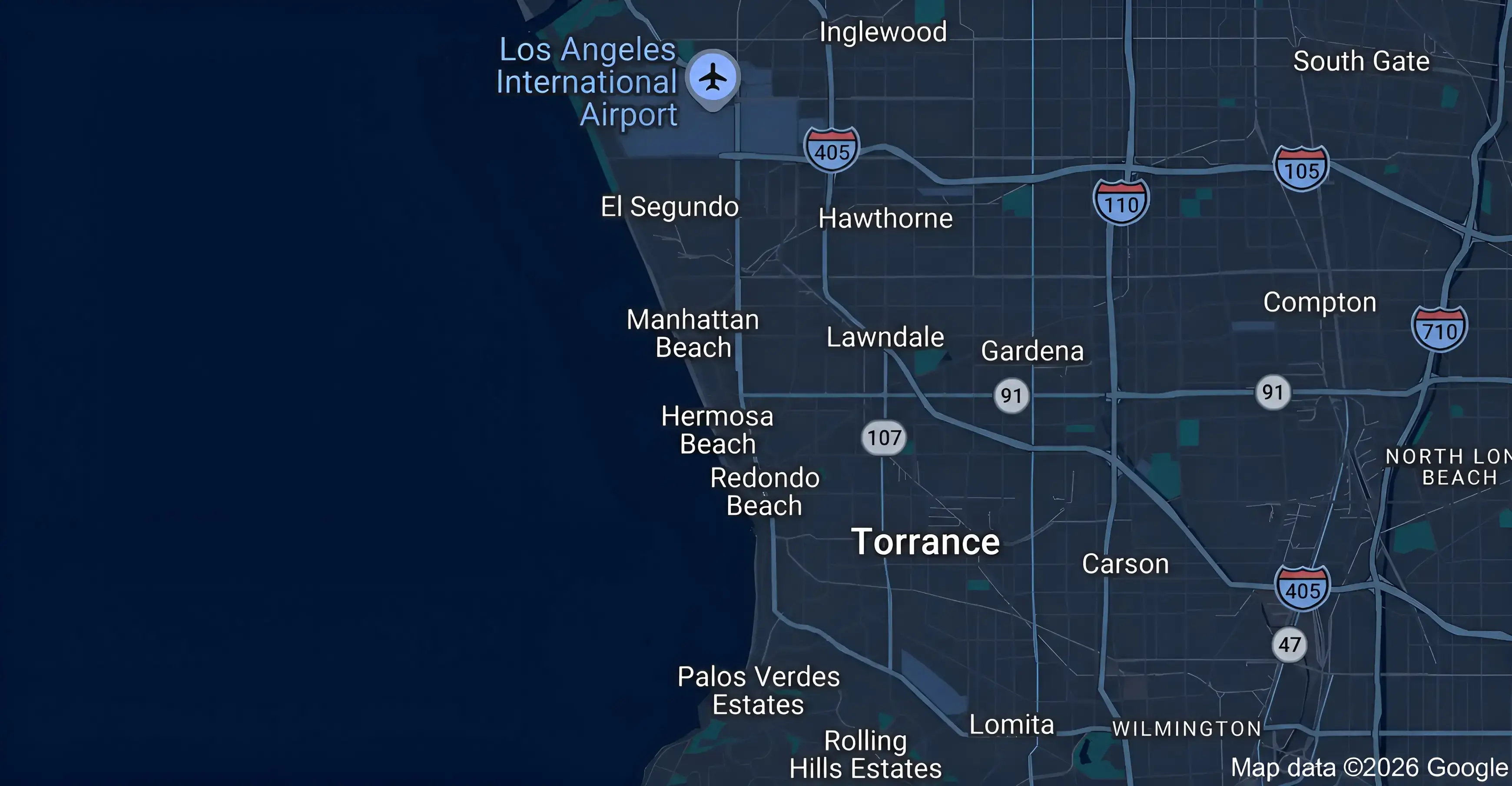
South Bay
Mini-split service in South Bay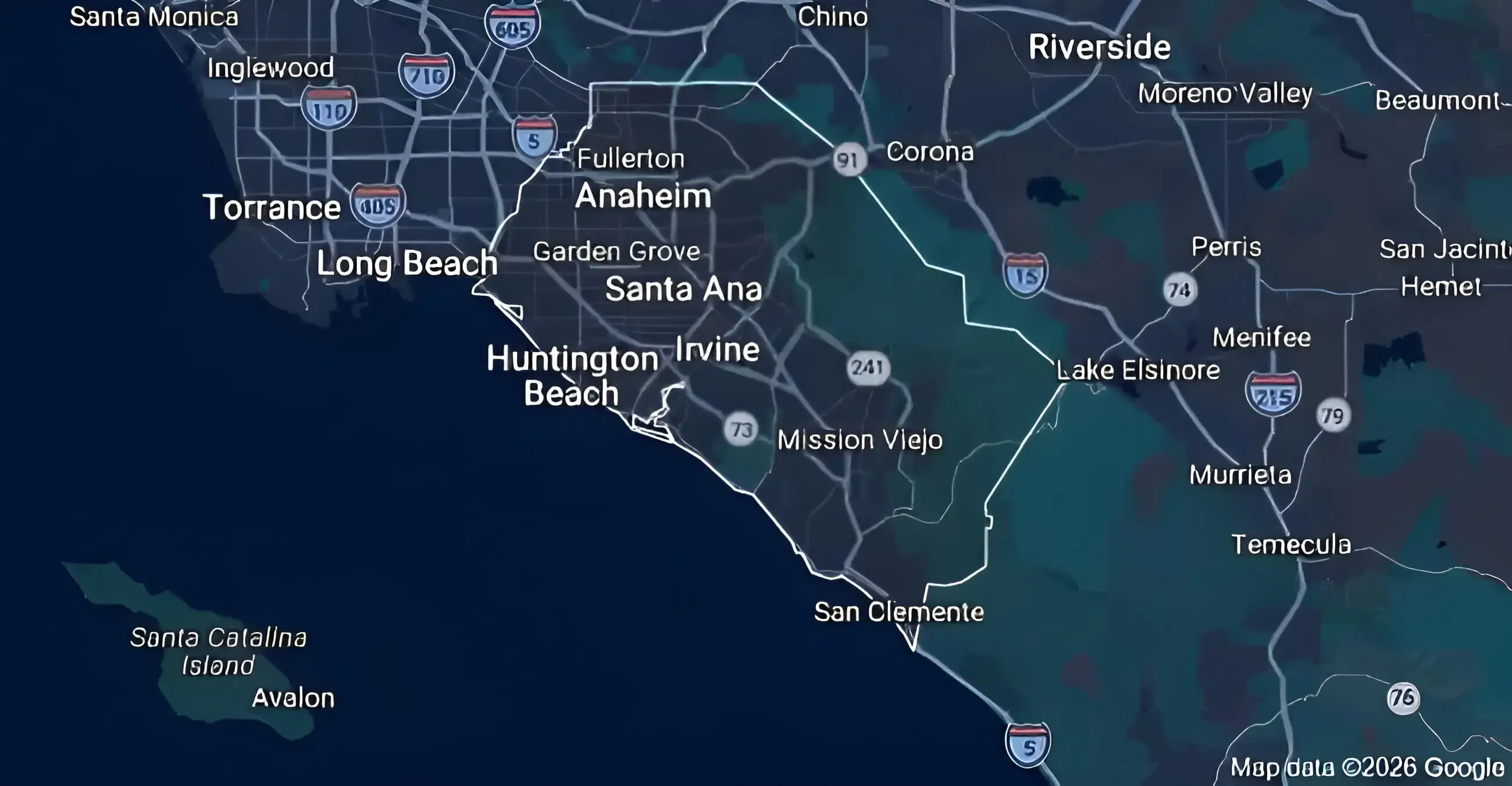
Orange County
Mini-split service in Orange County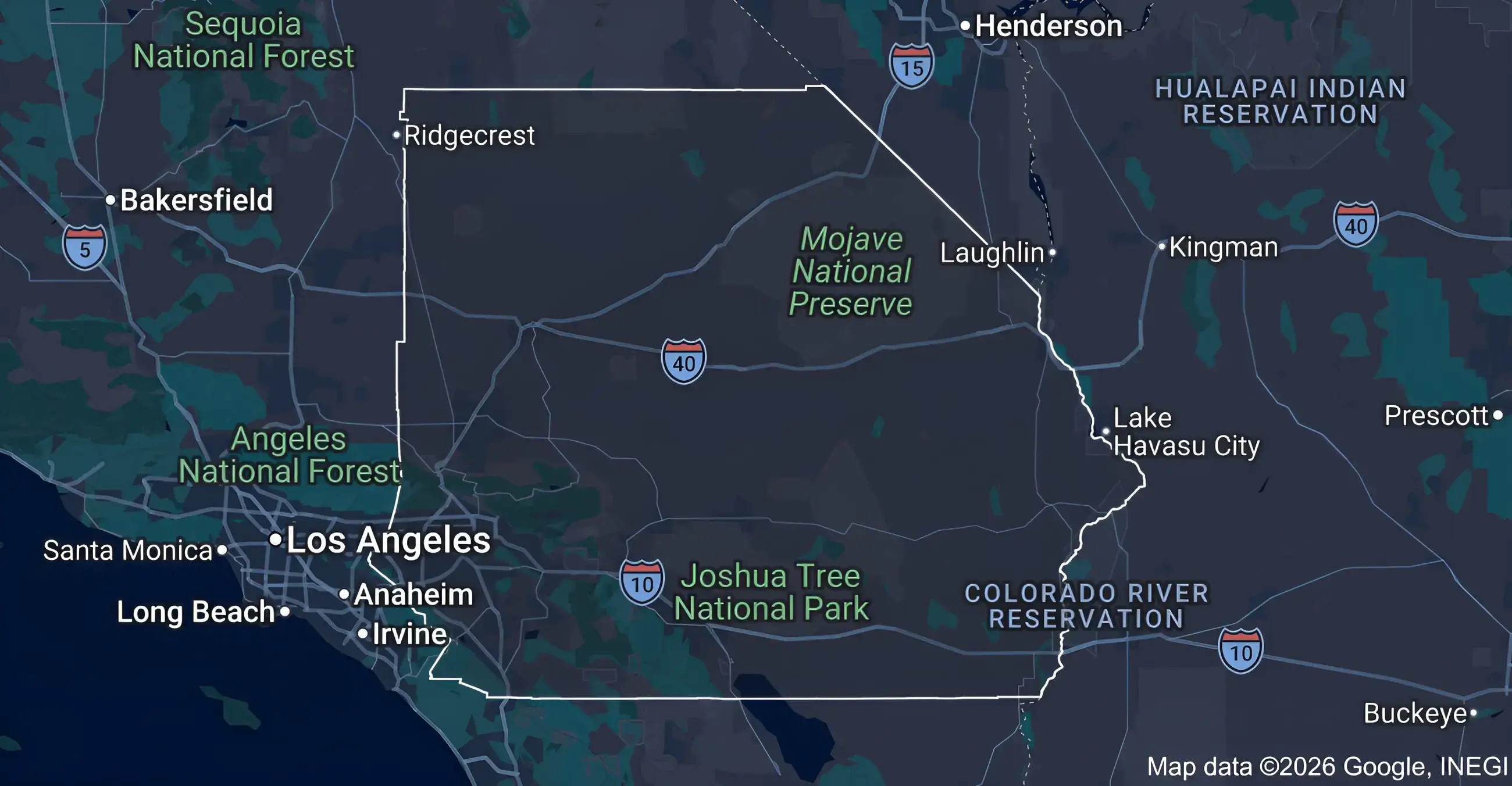
Inland Empire
Mini-split service in Inland EmpireDon't see your city? Call us and we will confirm coverage.
Why AIRPRO SOLUTIONS
A licensed contractor rated 4.8 stars on Google
Ask any contractor how the system will be sized, who pulls the permit, and what the written scope includes. You should have clear answers before you approve work.
Related
Explore related services
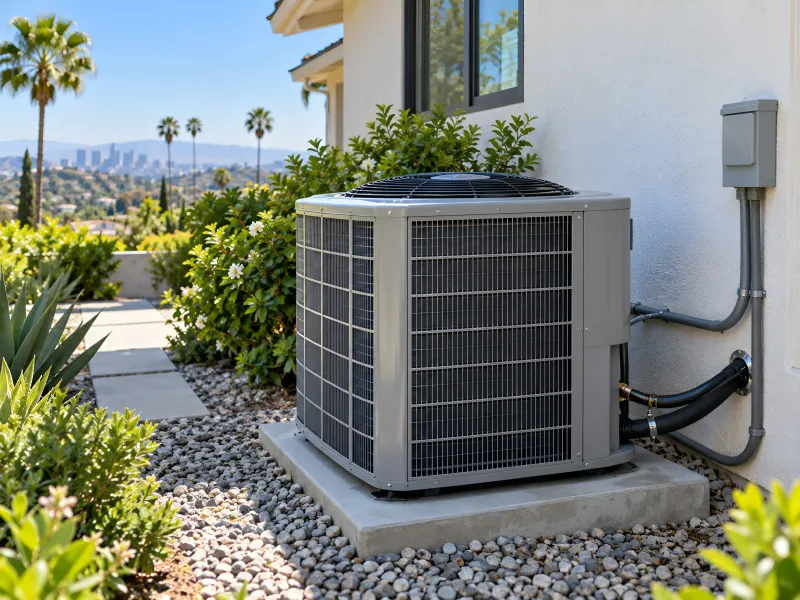
AC Installation
New air conditioner installation and system replacement, sized to your home or business.
View service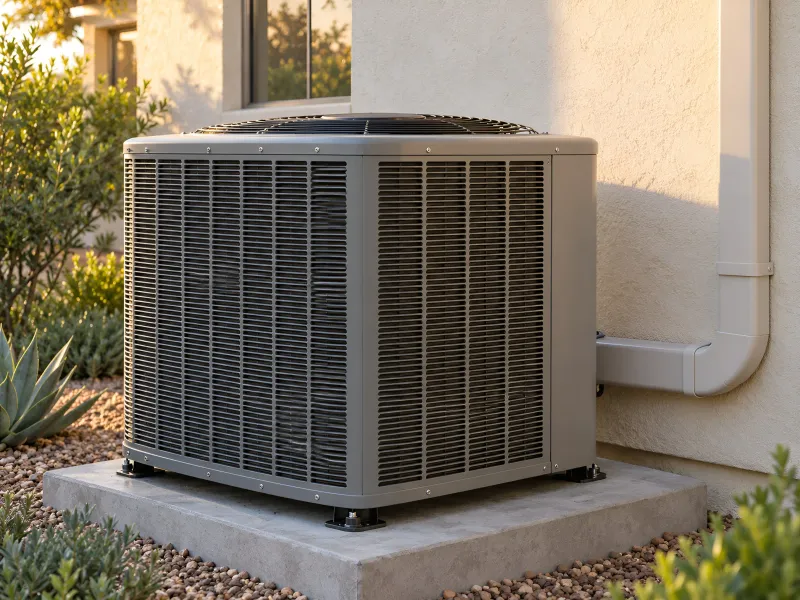
AC Repair
Diagnosis and repair for air conditioners that aren't cooling, blow warm air, leak, or make unusual noises.
View service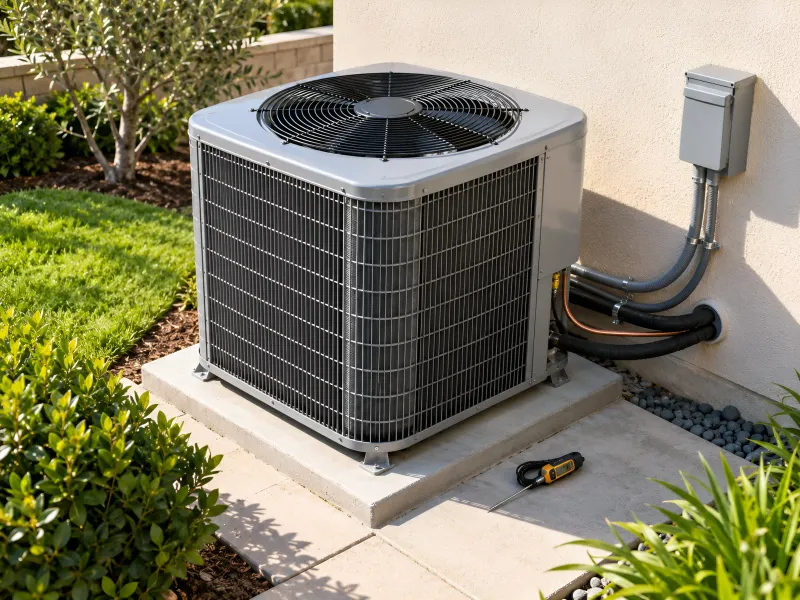
AC Maintenance
A pre-season tune-up checks controls, electrical connections, coils, the condensate drain, and airflow so small problems can be found early.
View service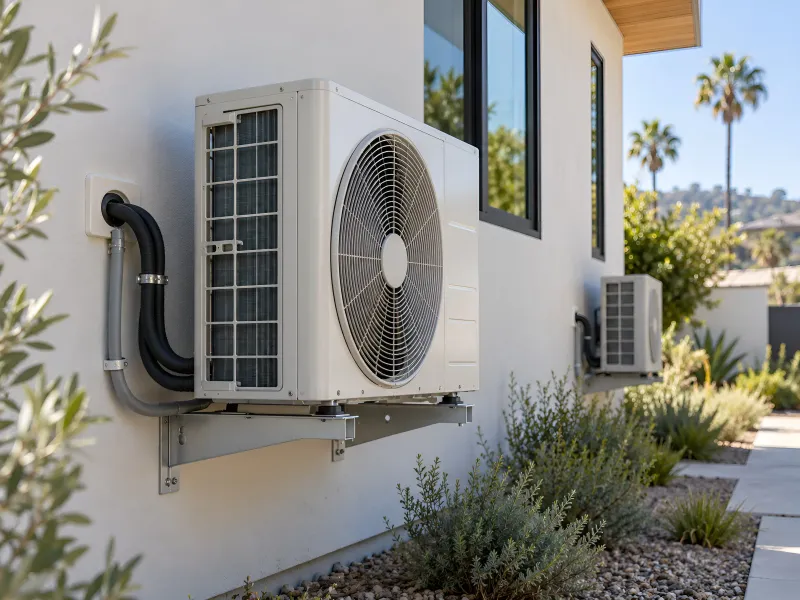
Heat Pump Services
Installation, repair, and maintenance for heat pump systems that handle both heating and cooling.
View serviceMore on this topic: Heating repair · Furnace installation · Ductwork options · Indoor air quality · Emergency HVAC · Commercial HVAC
Direct answers
Mini-split questions Southern Californians ask
What is a ductless mini-split?
A ductless mini-split is an HVAC system with an outdoor unit and one or more indoor units connected by refrigerant lines and controls. It can condition individual rooms without a full central duct system.
Do ductless mini-splits provide both heating and cooling?
Many do. Heat-pump mini-splits provide both cooling and heating. Confirm the heating capability and performance ratings of the specific model before you buy.
How much does a ductless mini-split cost in Southern California?
It depends on the design of the system, not only the number of rooms. The number of zones and indoor units, capacity, equipment efficiency, line-set routing, electrical work, condensate drainage, permits, and access all move the price. Ask for a written scope that lists the equipment, the number of zones, the electrical work, permits, and exclusions before you approve anything.
Do I need a permit for a mini-split in California?
New and replacement installations are generally permitted work, and the requirements are set by the city or county where the property is located. Permit, Title 24, and inspection requirements depend on the scope of the project, so confirm them for your address before work begins.
How long does mini-split installation take?
It depends on the project. A single-zone system is usually a shorter job than a multi-zone system. Electrical work, line-set routing, access, permitting, and inspection can extend the timeline. You should get a schedule estimate after the on-site assessment.
Is a single-zone or multi-zone mini-split better?
It depends on how many rooms need independent temperature control. A single-zone system pairs one outdoor unit with one indoor unit. A multi-zone system connects several indoor units to one outdoor unit. Room layout, total load, line-set routing, and budget decide which one fits.
Can a mini-split cool an ADU, converted garage, or room addition?
Often, yes. A mini-split can be a practical choice for a converted garage, ADU, or addition where extending ducts is impractical. The space still needs a load assessment and a review of insulation, permits, electrical capacity, condensate drainage, and equipment placement.
Why is my mini-split leaking water?
Water at an indoor unit can come from a condensate drain problem, an installation condition, or another fault. Turn the system off if water is reaching electrical components or finishes, and arrange a professional diagnosis. The cause cannot be confirmed without inspecting the system.
Why is my mini-split not cooling?
Poor cooling can involve airflow restrictions, settings, controls, refrigerant issues, electrical problems, or outdoor-unit faults. Clean accessible filters only as your manufacturer directs. If cooling is still poor, have a technician diagnose it.
Are rebates available for ductless mini-split heat pumps?
Some may be, but funding and eligibility change. LADWP lists rebates of $1,500 to $2,500 per ton for qualifying ductless mini-split heat-pump systems for its residential electric customers. LADWP states that new construction and Accessory Dwelling Units (ADUs) are not eligible. Southern California Edison programs vary by eligibility and funding. California's single-family HEEHRA rebates were fully reserved statewide as of February 24, 2026. Check each program before you buy.
Get your mini-split service scheduled
Call us or request service online.