 AIRPRO SOLUTIONS
Heat Pump Services in Los Angeles and Southern California
AIRPRO SOLUTIONS provides heat pump services for homes and businesses in Los Angeles and across the South Bay, Orange County, and the Inland Empire. That covers diagnosing a heat pump that will not heat or cool, replacing an aging system, and maintaining one so problems are found early.
- Licensed HVAC contractor
- Residential and commercial
- Rebate programs vary by utility
- 4 Southern California regions
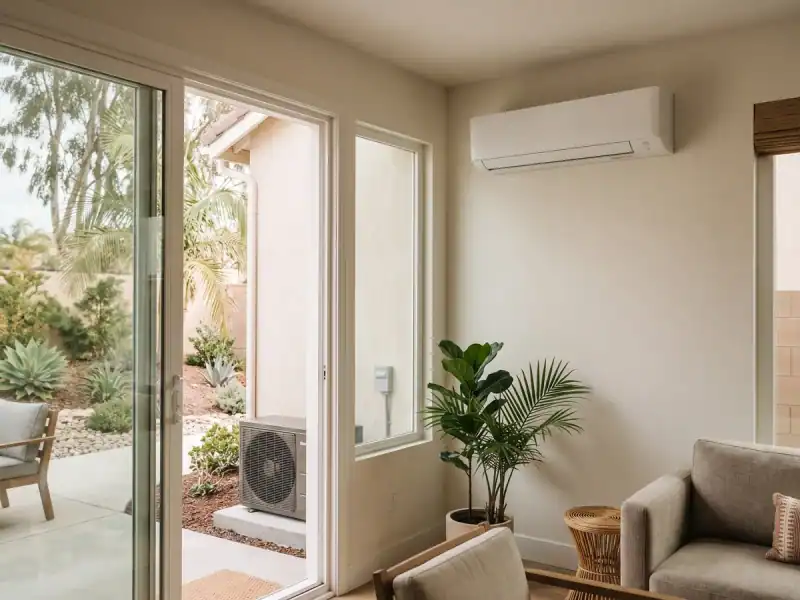 Heat pump service for year-round comfort
Quick answer
Heat pump services cover diagnosing, repairing, replacing, and maintaining a system that both heats and cools. A heat pump moves heat between your building and the outdoors. To cool, it moves indoor heat out. To heat, a reversing valve flips the refrigerant flow.
Across Southern California
How Southern California climate shapes heat pump service
Los Angeles County. The county spans several microclimates, from the coast to hot inland valleys. Sizing, airflow, duct condition, and equipment placement are checked for your property instead of assumed from the county.
South Bay. Coastal influence can moderate temperatures compared with inland valleys, though humid heat can still make nights uncomfortable. Cooling performance, indoor humidity, and outdoor-unit condition are worth checking, and condo or townhome equipment access is planned early.
Orange County. NASA's analysis of a Southern California heat wave found Orange County generally cooler near the Pacific, while inland areas can still get hot. Ducted, ductless, and multi-zone options are compared for the property and the access it allows.
Inland Empire. NASA's heat-wave analysis found Riverside and the valley areas hotter and drier than the coast. Peak-cooling reliability matters most here, so load calculations, airflow, and filter and coil condition deserve attention before the next heat event.
Heat pump facts
- Existing R-410A systems
- Not banned. They can stay in service and be repaired, subject to applicable rules and refrigerant availability
- Energy code
- The 2025 California Energy Code applies to permit applications filed on or after January 1, 2026
- Coast and inland
- The coast is generally cooler and inland valleys such as Riverside are drier and hotter. Humid heat can still raise nighttime heat stress in both
Sources: U.S. EPA - HFC phasedown FAQ, California Energy Commission - 2025 Building Energy Efficiency Standards, NASA JPL - Southern California heat-wave differences
Cities we serve
Where we do this
Local pages for the cities we serve across Southern California.
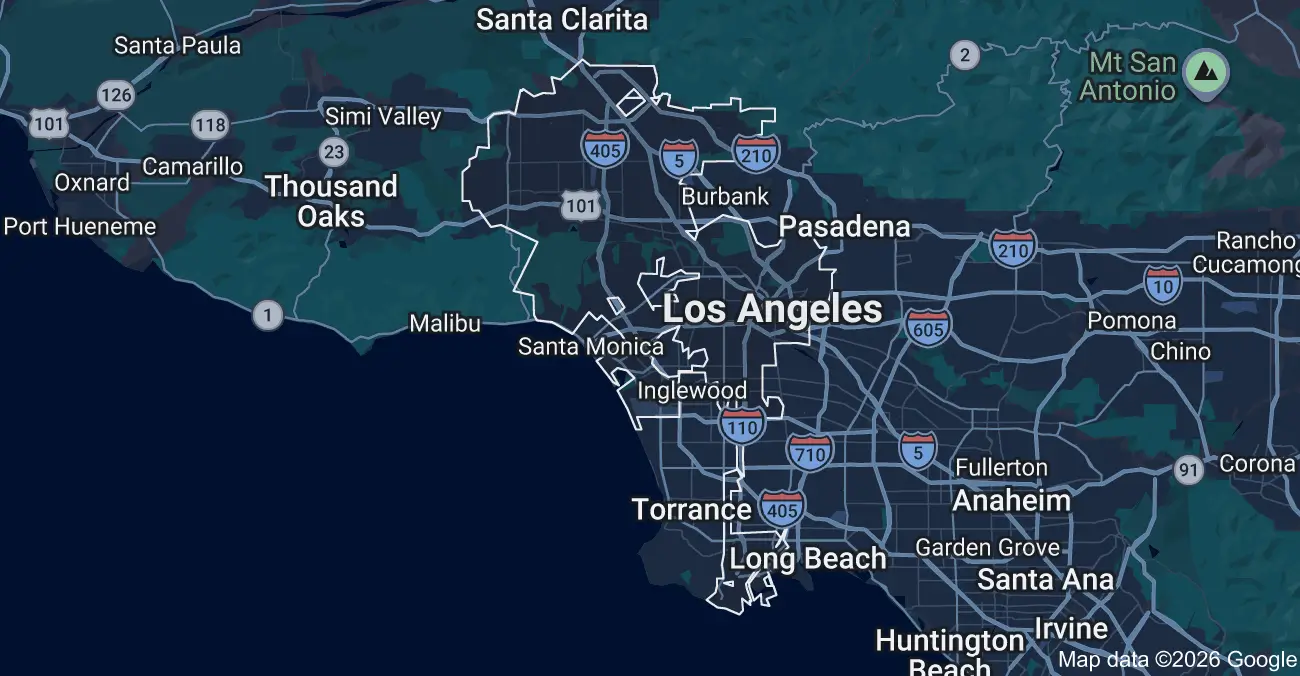
Los Angeles
Spans coast, basin, valley, and foothill conditions. Electric service from LADWP.
View area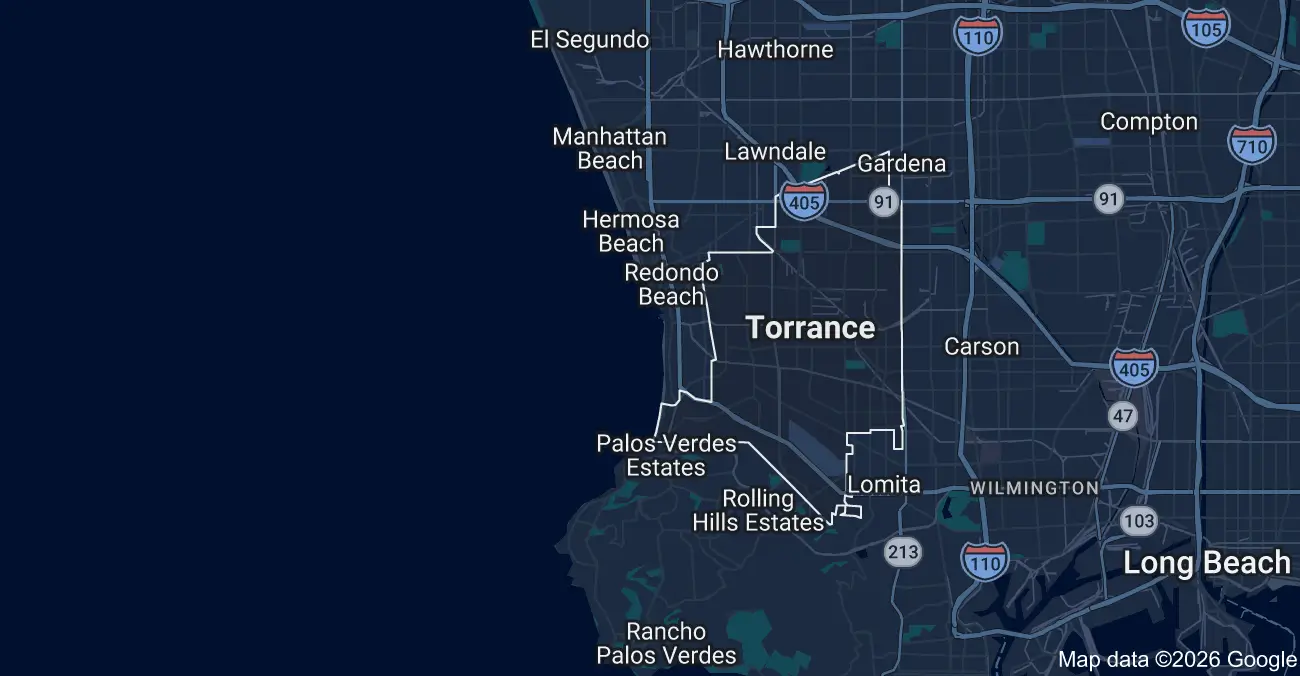
Torrance
Office, retail, industrial, and condo settings, with a 290-acre industrial project area. Property-line noise and equipment screening rules apply.
View area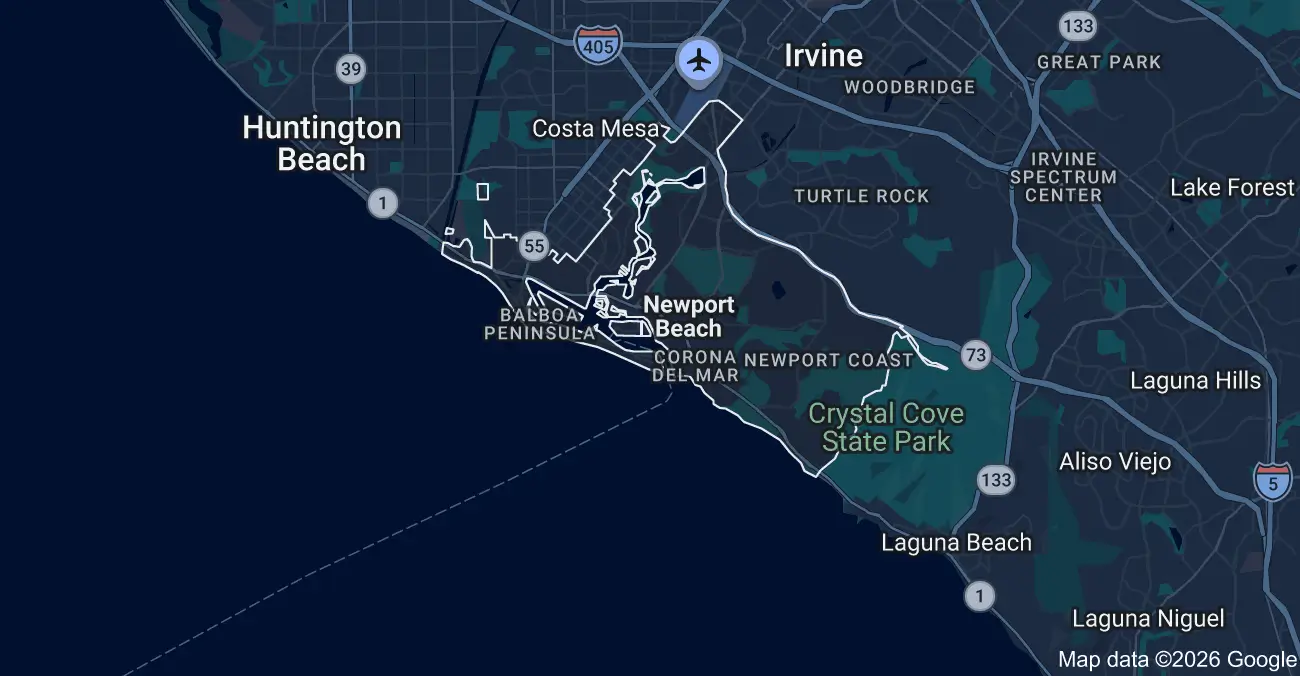
Newport Beach
The City's online permitting page names furnace replacement as an example for Residential Express Permits. The pages we read do not mention AC replacement, so we confirm the steps with the City.
View area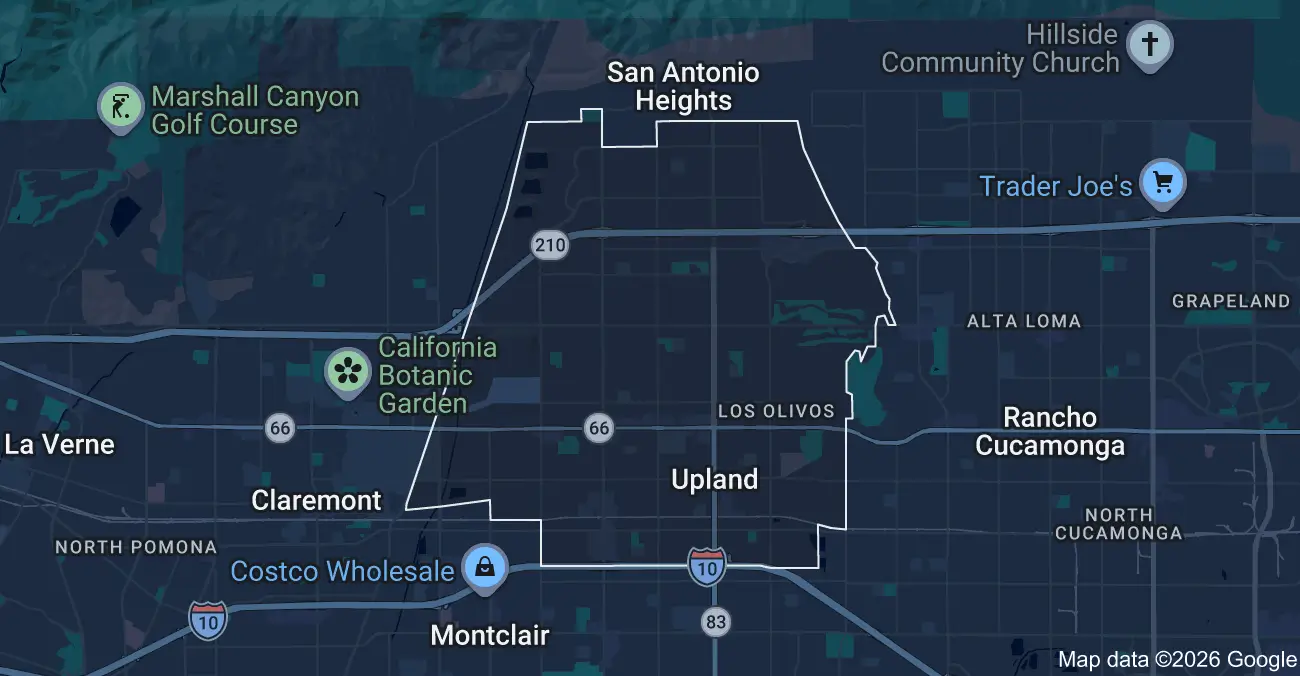
Upland
SCAG's local profile says 1970 to 1979 is the decade with the highest share of the city's housing units, and the City's Building & Safety page says permit applications go through its online Citizen Self Service (CSS) Portal without saying whether replacing an air conditioner needs a permit. QuickFacts reports a 57.1% owner-occupied housing unit rate for 2020 to 2024. We confirm the current steps with the City.
View area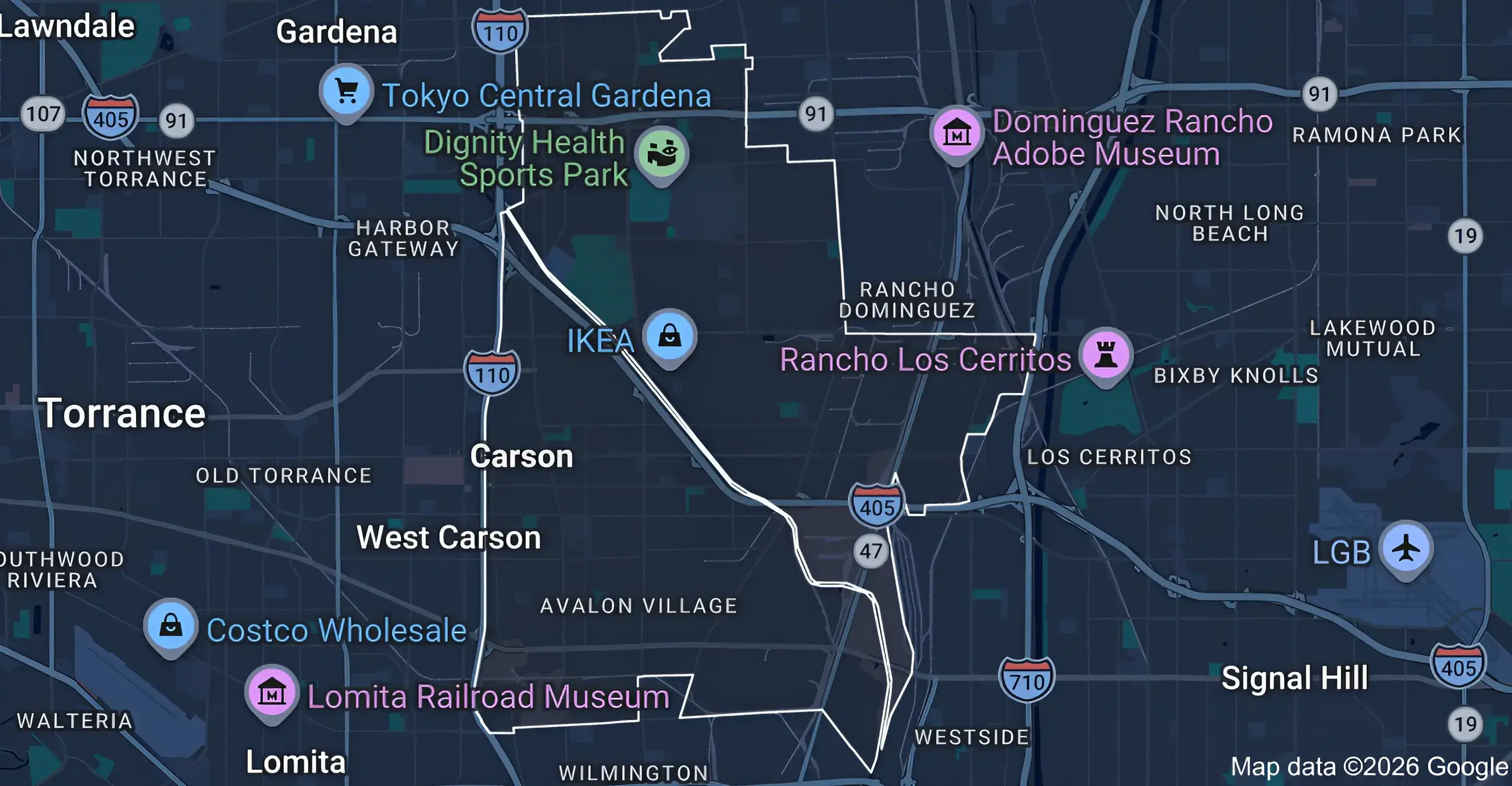
Carson
Permits go through the City’s online portal, Carson Civic Access. Clean Power Alliance supplies generation.
View area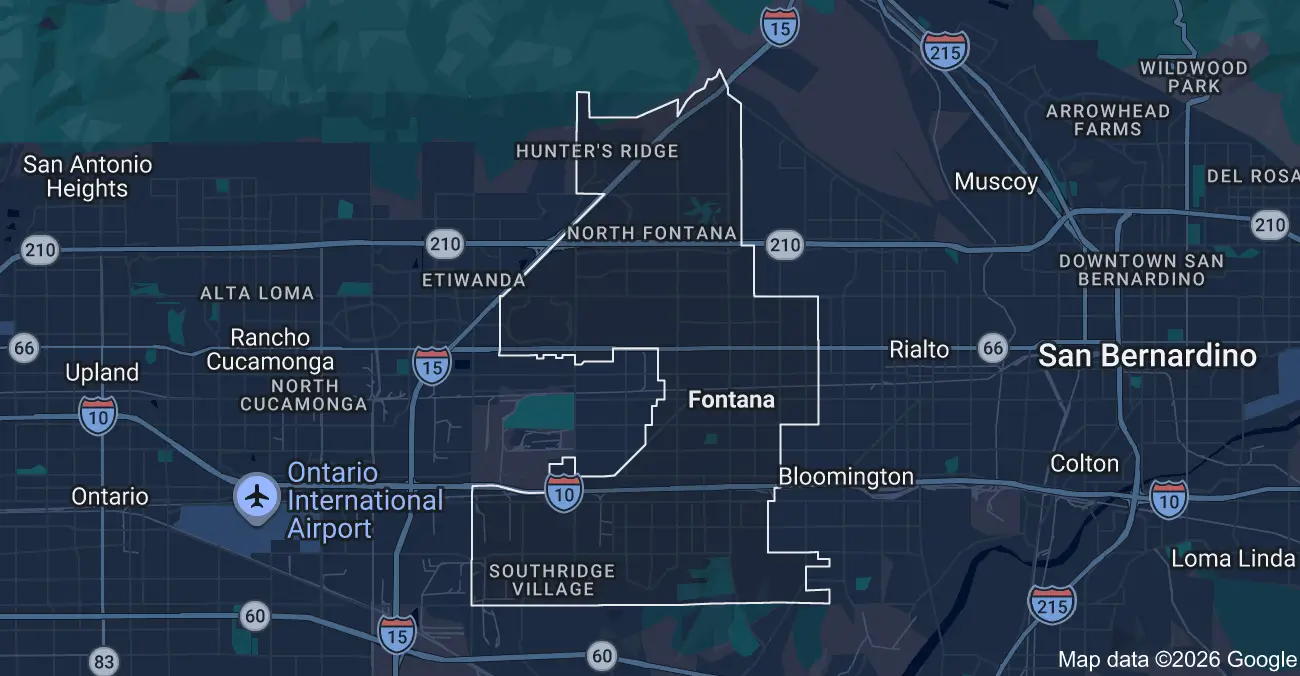
Fontana
The City's Codes and Local Amendments page lists the 2025 California Mechanical Code and the 2025 California Energy Code, and none of the City pages we read says whether replacing an air conditioner needs a permit. QuickFacts reports a 66.8% owner-occupied housing unit rate for 2020 to 2024. We confirm the current steps with the City.
View area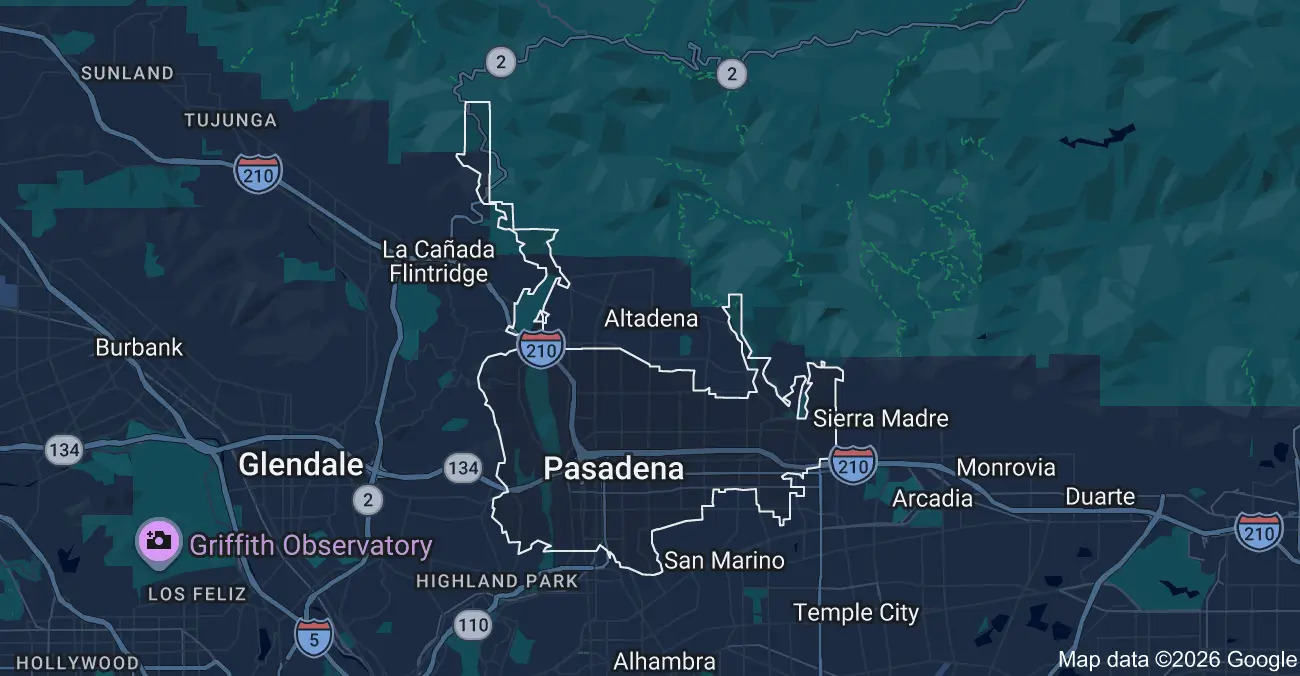
Pasadena
Has its own Permit Center. A site plan can apply to equipment placed outside.
View area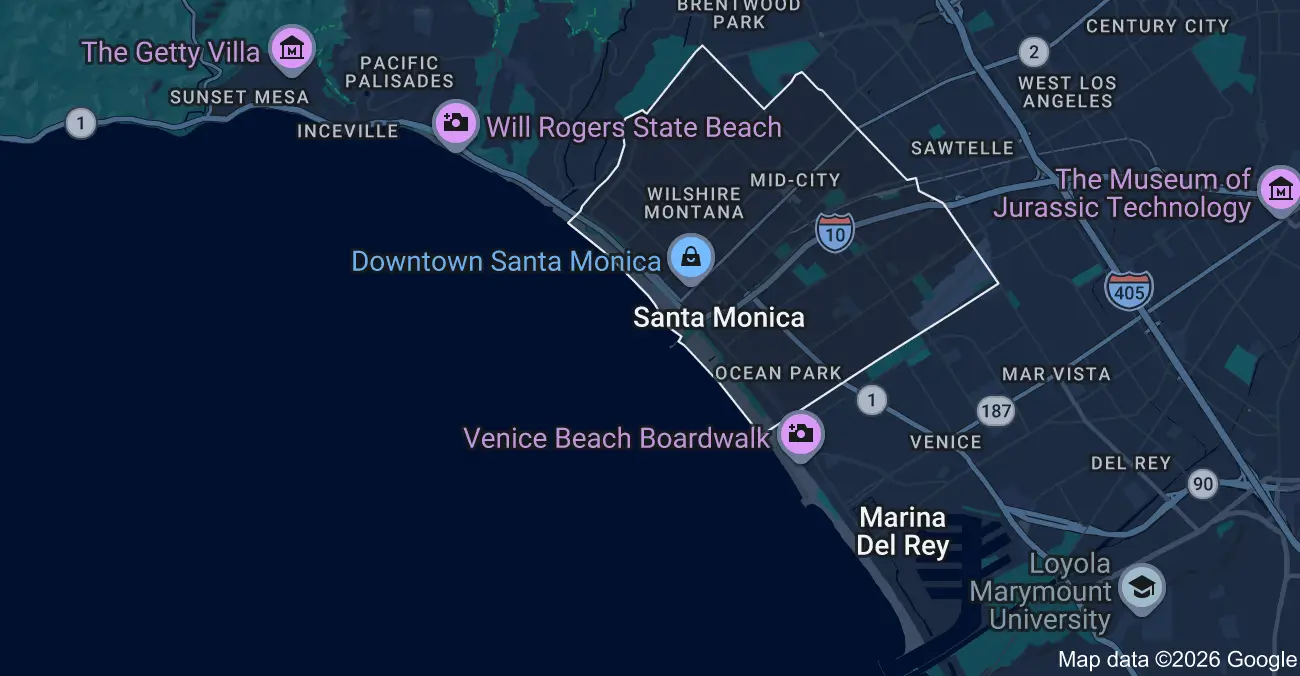
Santa Monica
Has its own equipment noise rules for outdoor units, and the most multifamily city here at 77.5% of housing units (2018).
View areaStart here
Maintenance, repair, or replacement?
Pick the line that sounds like your system today.
Heating and cooling normally
The system runs and switches modes as it should. Schedule a check before the next season.
Schedule maintenanceNot heating, not cooling, icing, or leaking
Weak output, a stuck mode, ice that does not clear, water, or new noises point to a fault.
Request a diagnosisRepeated repairs or an aging system
If breakdowns keep coming back, compare the repair with replacement using real numbers.
See repair or replaceNo cooling in dangerous heat
Burning odor, a tripping breaker, or water near electrical equipment calls for prompt help.
Call (323) 776-9047When to call right away
Do not wait for a routine visit if:
- Cooling has failed during extreme heat
- Someone in the home is medically vulnerable to heat
- You smell burning or the breaker keeps tripping
- Water is near electrical equipment or spreading from the indoor unit
- Ice on the outdoor unit is not clearing
- A commercial outage is affecting your operations
Turn the system off if water is near electrical equipment. If you see smoke or fire, or feel immediate electrical danger, get everyone out and call emergency services first.
The basics
How a heat pump heats, cools, and defrosts
Cooling mode
The system moves heat from inside the building to the outdoors, the same job an air conditioner does. Airflow, coils, the condensate drain, and refrigerant all affect how well it works.
Heating mode
A reversing valve changes the direction of refrigerant flow, so the system moves heat from outdoor air into the building. A fault in the valve, its solenoid, or the controls can leave a system stuck in one mode.
Defrost cycle
In cool, damp weather the outdoor coil can frost, and the system periodically melts it. Some frost and a cloud of steam during that cycle can be normal. Ice that stays is a reason to call.
Symptoms
What you notice and what it can mean
Symptoms can share causes, so none of these is a diagnosis. A technician confirms the fault before recommending work. Because one system does both jobs, a heat pump that cools fine but will not heat needs a different diagnostic path than a standard AC problem.
| What you notice | What can be behind it |
|---|---|
| Runs but does not heat or cool enough | Airflow restriction, refrigerant issue, compressor or fan problem, controls, thermostat settings, or a reversing-valve fault. A diagnostic identifies which. |
| Heats but will not cool, or cools but will not heat | A stuck or failed reversing valve is one possible cause. Its solenoid, controls, refrigerant flow, and thermostat configuration are checked too. |
| Outdoor unit is iced over and does not clear | Restricted airflow, low refrigerant, water runoff freezing, or a defrost problem. Brief frost and steam during a normal defrost cycle can be normal. Persistent ice is not. |
| Water near the indoor unit, closet, or ceiling | A blocked condensate drain, a drain-pan problem, coil freeze and thaw, or an installation issue. Turn the system off if water is near electrical equipment. |
| Grinding, rattling, squealing, clicking, or vibration | A fan motor, compressor, contactor, loose component, or defrost or control issue. Noise is not diagnosed remotely, so it needs an inspection. |
| Higher electric bill with no change in weather or use | Reduced performance, airflow restriction, backup heat running, controls, refrigerant, or equipment age. A bill increase is a reason to evaluate performance and does not point to one failure. |
| Turns on and off repeatedly | A thermostat or control issue, airflow restriction, sizing or electrical problem, or a refrigerant or compressor condition. Short cycling wears equipment, so it warrants a diagnosis. |
| Breaker trips or you smell burning | An electrical fault, motor or compressor problem, or wiring or component failure. Turn the system off and get urgent professional evaluation. |
If the problem is only cooling or only heating on a standard system, see AC repair or heating repair.
How it works
What happens during a heat pump service visit
- 01
Book
We ask about the property, the equipment and where it sits, any access limits, and what the system is doing today.
- 02
Identify
The technician confirms the system type, equipment model, refrigerant labeling, and whether the outdoor unit is running.
- 03
Airflow and electrical
Filter, blower, coils, ducts, contactors, capacitors, wiring, sensors, and thermostat communication are checked.
- 04
Heating and cooling test
Operation is tested in the relevant mode and, where safe, changeover between heating and cooling is confirmed.
- 05
Findings
The fault, the repair options, and the condition of the equipment are explained.
- 06
Close out
Approved work is completed and tested, and any permit, compliance, and warranty paperwork that applies is passed on to you.
The visit
What is included and what can cost extra
A heat pump service visit may include
- Visual system inspection and basic operational testing
- Filter and airflow assessment
- Thermostat and control check
- Electrical component inspection
- Outdoor coil condition check
- Condensate drain inspection
- Reversing valve and defrost operation check
- Refrigerant and performance evaluation
What can add to the cost
- A diagnostic fee or after-hours dispatch, if they apply
- Refrigerant leak detection, repair, and recharge
- Electrical upgrades and thermostat replacement
- Blower or fan motors, compressors, reversing valves, and defrost boards
- Duct repair or replacement
- Equipment replacement
- Roof access, cranes, or difficult attic and crawlspace access
- Permit fees, Title 24 documentation, and HERS verification
Ask your technician which of these apply to your job before you approve the work.
Equipment
Heat pump systems we service
Tell us what you have and we will confirm we can service it. This page covers heating and cooling heat pumps, not heat pump water heaters.
Ducted split heat pumps
An outdoor unit and an indoor coil with an air handler, joined by refrigerant piping. Conditioned air travels through ductwork, so duct condition matters as much as the equipment.
Single-zone ductless mini-splits
One outdoor unit and one indoor head. Common for additions, studios, garage conversions, and homes without ducts.
Multi-zone ductless systems
One outdoor unit serving two or more indoor units, sometimes mixing ducted and ductless indoor units depending on the design.
Packaged heat pumps
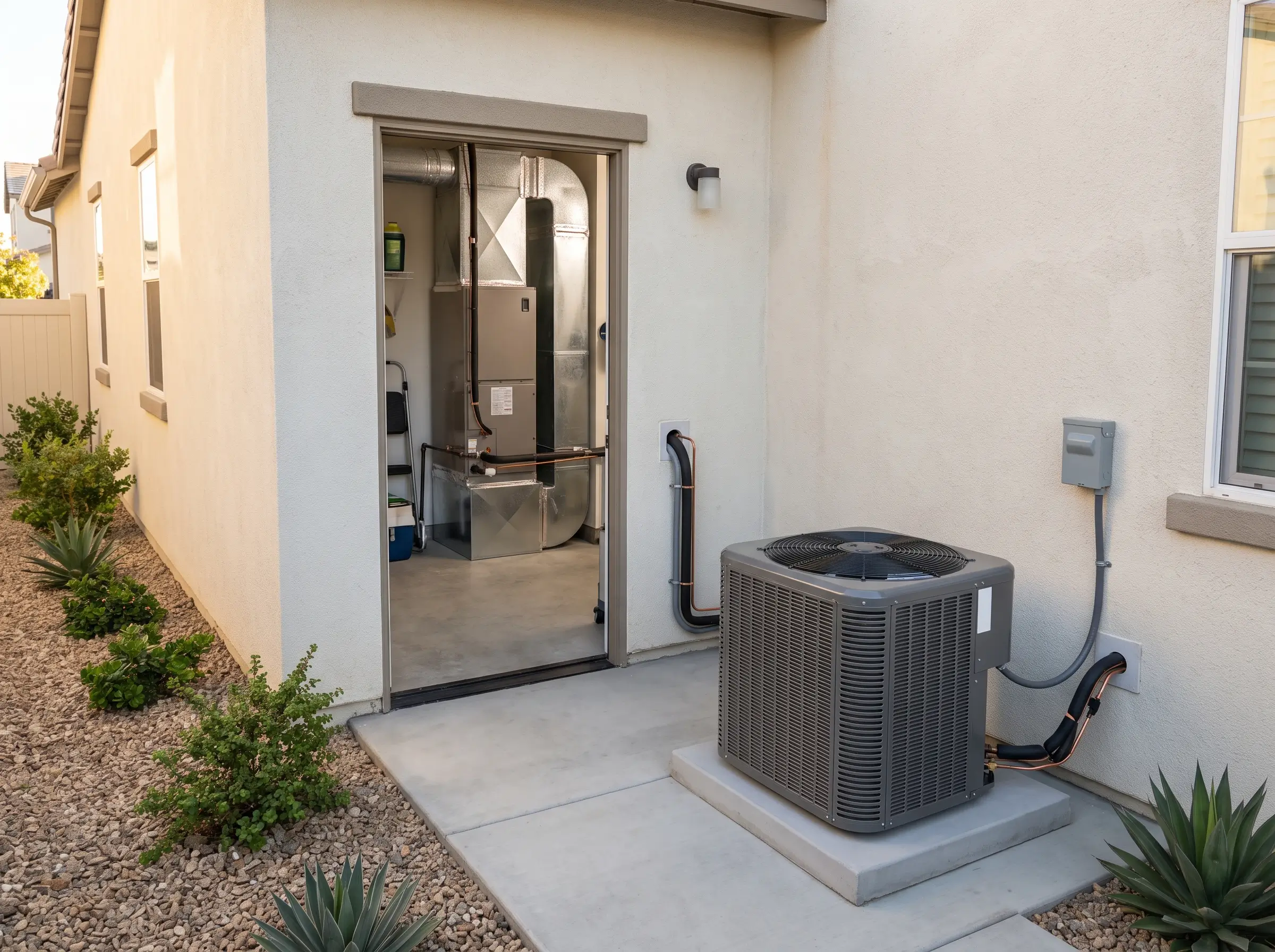
Major components in one outdoor cabinet, usually on a roof or ground pad, with ductwork passing into the building.
Commercial rooftop and packaged units
Light-commercial equipment for offices, retail, restaurants, and common areas. Roof access, tenant hours, and controls shape how work is planned.
Thermostats and controls
The devices and wiring that set heating or cooling mode, checked for correct settings and reliable changeover.
Setting up a home without ducts, or an addition? See ductless mini-split service
Decision guide
Repair or replace your heat pump
There is no age or dollar rule that fits every system. These are the questions that decide it.
| Question | Repair may fit when | Get a replacement quote when |
|---|---|---|
| What failed | A single, isolated part such as a control, capacitor, or drain problem. | A major component such as the compressor has failed, or several systems are failing together. |
| Repair history | The system has been reliable and this is the first real problem. | Breakdowns are frequent, or the same fault keeps returning. |
| Refrigerant | There is no leak, or the leak is found and repairable. | A leak keeps returning or the circuit is in poor condition. An existing R-410A system can still be serviced. |
| Comfort | The system heats and cools the property well when it runs. | It cannot reliably provide both heating and cooling, or comfort has been poor for a long time. |
| Ducts and layout | Existing ducts are in good condition for the equipment. | Ducts are leaky or undersized, or a ductless design fits the property better. |
Ask for the diagnosis and your options in writing so you can compare repair cost against replacement with the full picture.
Can a new heat pump still use R-410A?
EPA's rules on which refrigerants may be used in new residential and light-commercial heat pump installations have changed more than once, and which rules apply depends on the equipment and when it was made or imported. Ask your contractor which rules apply to the equipment in your proposal.
Existing R-410A systems are not banned. They can stay in service and be repaired, subject to applicable rules and refrigerant availability. Newer systems commonly use refrigerants such as R-32, which EPA lists in safety class A2L. Handling and installation requirements differ from older R-410A equipment, and the refrigerant depends on the brand and model selected.
Sources: U.S. EPA - HFC phasedown FAQ, U.S. EPA - SNAP substitutes for residential and light-commercial AC and heat pumps
Pricing
What affects heat pump cost
Heat pump pricing depends on your equipment and property. The list below shows what moves the total, so a quote holds no surprises.
| Factor | How it affects the job |
|---|---|
| System type | Ducted split, single-zone ductless, multi-zone, packaged, and rooftop systems each take different equipment and labor. |
| Capacity and sizing | A proper selection reflects the property, insulation, exposure, duct condition, occupancy, and load. Square footage alone is not enough. |
| Electrical work | Panel capacity, a dedicated circuit, the disconnect, the wiring route, and code requirements. |
| Ductwork | Leakage, repairs, resizing, additions, replacement, or the inability to use existing ducts. |
| Access | Roof, attic, crawlspace, condominium, or parking restrictions, cranes, and difficult line-set routes. |
| Refrigerant and equipment generation | Servicing an R-410A system is different from installing a new low-GWP system. |
| Controls and accessories | Thermostat, zoning, condensate pump, surge protection, filtration, ventilation, or backup heat. |
| Permits and compliance | Permit fees, Title 24 documentation, testing, and possible HERS verification. |
| Rebates | Program rules, funding, property type, your utility, equipment match, and contractor participation. |
A job is priced on scope. A repair found during a diagnostic visit is a separate line item that you approve before it starts.
The rules
Licensing, permits, and energy-code basics
Licensing
California's C-20 classification covers contractors who install, maintain, service, and repair heating, ventilating, and air-conditioning systems and their controls, ducts, and filters. Verify any HVAC contractor's active license classification and insurance on the CSLB website before authorizing work.
Permits
Permit and Title 24 requirements depend on the local jurisdiction and the project scope. A heat pump replacement is generally an HVAC alteration, so do not assume that no permit is needed until the property and scope have been reviewed.
Energy code and efficiency
The 2025 California Energy Code applies to permit applications filed on or after January 1, 2026. New equipment must meet applicable federal and California efficiency requirements, which vary by equipment type, capacity, climate zone, and compliance path. Ask for the compliance documents that apply to your job.
Warranty questions to ask before you approve a replacement
Ask for the written manufacturer warranty and for the contractor's separate labor and workmanship warranty. Manufacturer coverage varies by brand, model, registration, and installation requirements, and labor coverage varies by contractor.
Rebates and incentives
Heat pump incentives for Southern California
Up to $2,500 per ton
Eligible LADWP residential customers may qualify for a heat-pump HVAC rebate of up to $2,500 per ton, subject to program terms, equipment requirements, funding, and application approval. Applications are made after purchase and installation.
LADWP Consumer Rebate Program →Income-qualified programs
Income-qualified Southern California Edison customers may have access to energy-efficiency or electrification upgrades through SCE programs. Eligibility and scope must be confirmed directly with SCE.
SCE home electrification →Funding changes
Incentive availability changes. TECH Clean California reported its statewide single-family rebate funds fully reserved as of February 24, 2026. Confirm current funding, eligibility, and participating-contractor requirements before relying on a rebate.
TECH Clean California →Served by another utility? Check its rebate page before you buy, since programs and funding differ by address and account.
Who this is for
Residential and commercial heat pump service
- Single-family homes
- Homes without ducts
- Condos and townhomes
- Apartment communities
- Offices, retail, and restaurants
- Rooftop package units
Scope changes with the property. Older homes with aging ducts may need duct inspection, sealing, or resizing, or a ductless or short-run design instead. Homes with no ductwork raise questions about indoor-unit locations, condensate routing, electrical capacity, and any HOA approval. Condos and multifamily buildings can involve shared electrical systems, roof or balcony placement, and management approval. Newer homes with ducted split systems may allow a like-for-like approach, but sizing, duct leakage, electrical capacity, and current code still have to be evaluated. Commercial spaces add rooftop access, business hours, and larger electrical loads. We assess the property and the equipment, not the ZIP code. Commercial HVAC · Residential HVAC
Where we work
Heat pump service across Southern California
Southern California is not one climate. NASA's analysis of a regional heat wave found the coast generally cooler because of the Pacific and coastal moisture, and inland valleys such as Riverside drier and hotter. Humid heat can still raise nighttime heat stress on the coast and inland.
Climate explains when demand rises. It does not tell a technician which part of your system needs attention. Cooling problems often surface during heat events, while heating-mode problems and defrost behavior tend to be noticed in cooler, damp months and when the system switches modes.

Los Angeles County
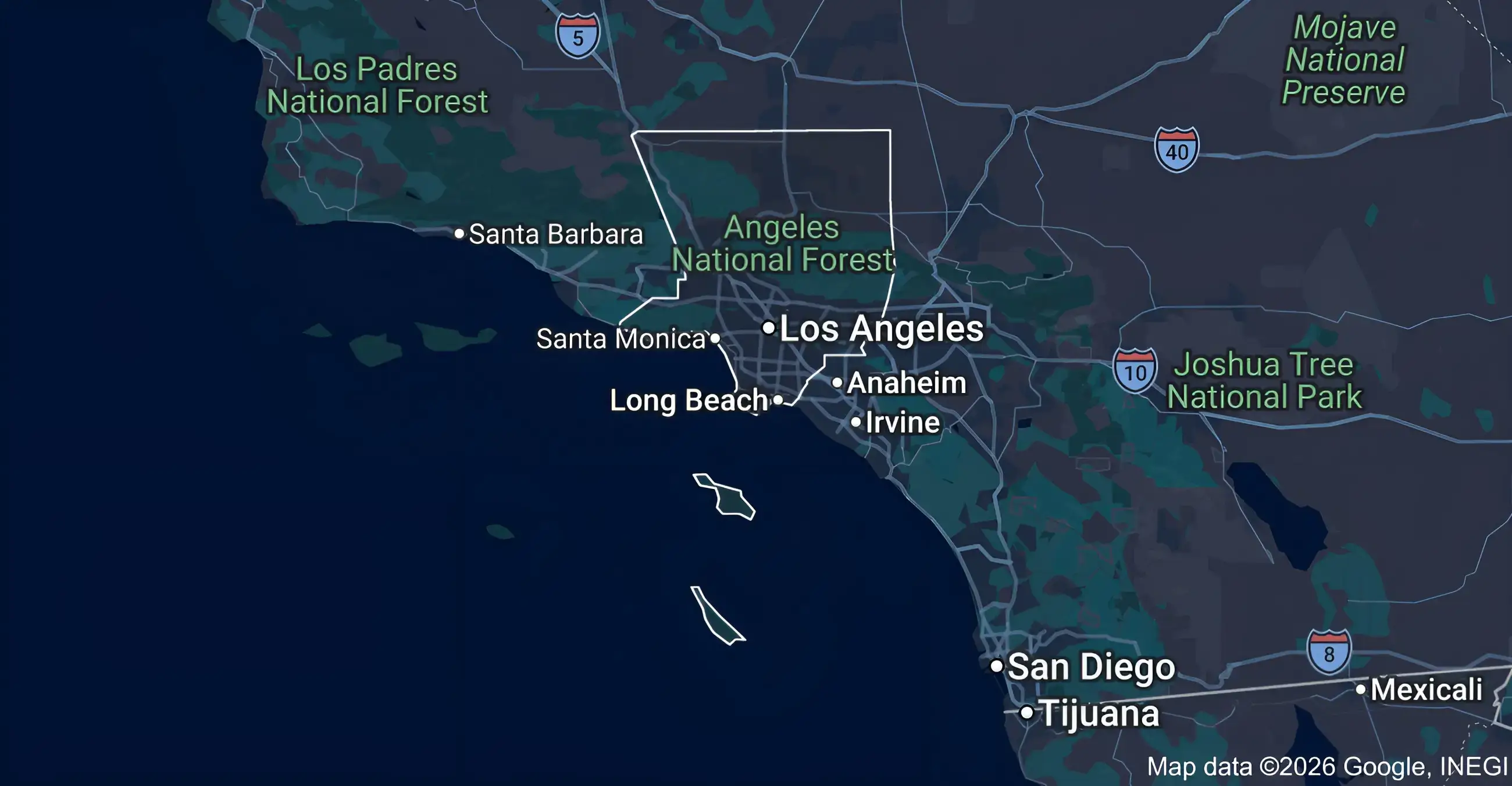
Heat pump service in LA County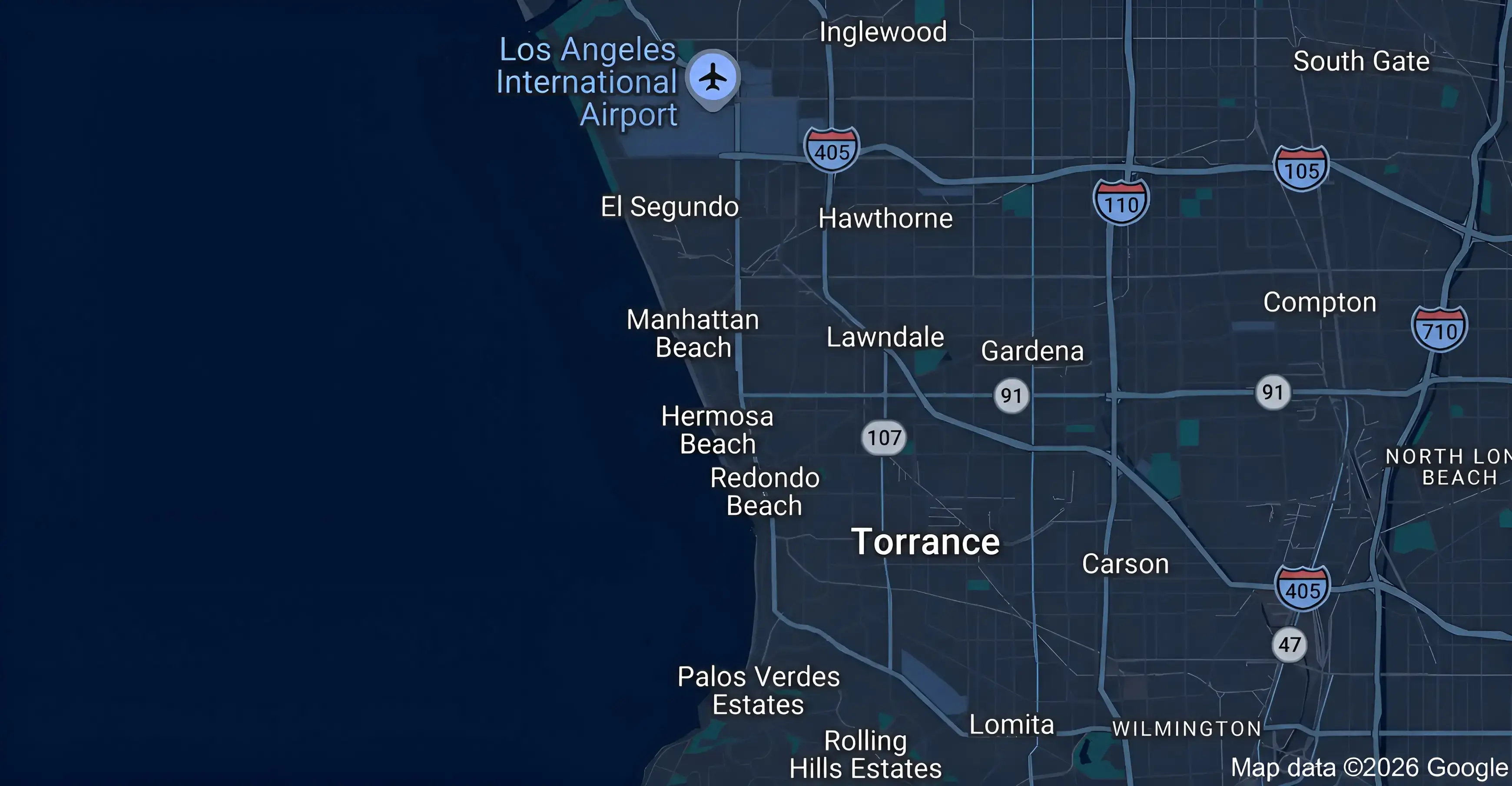
South Bay
Heat pump service in South Bay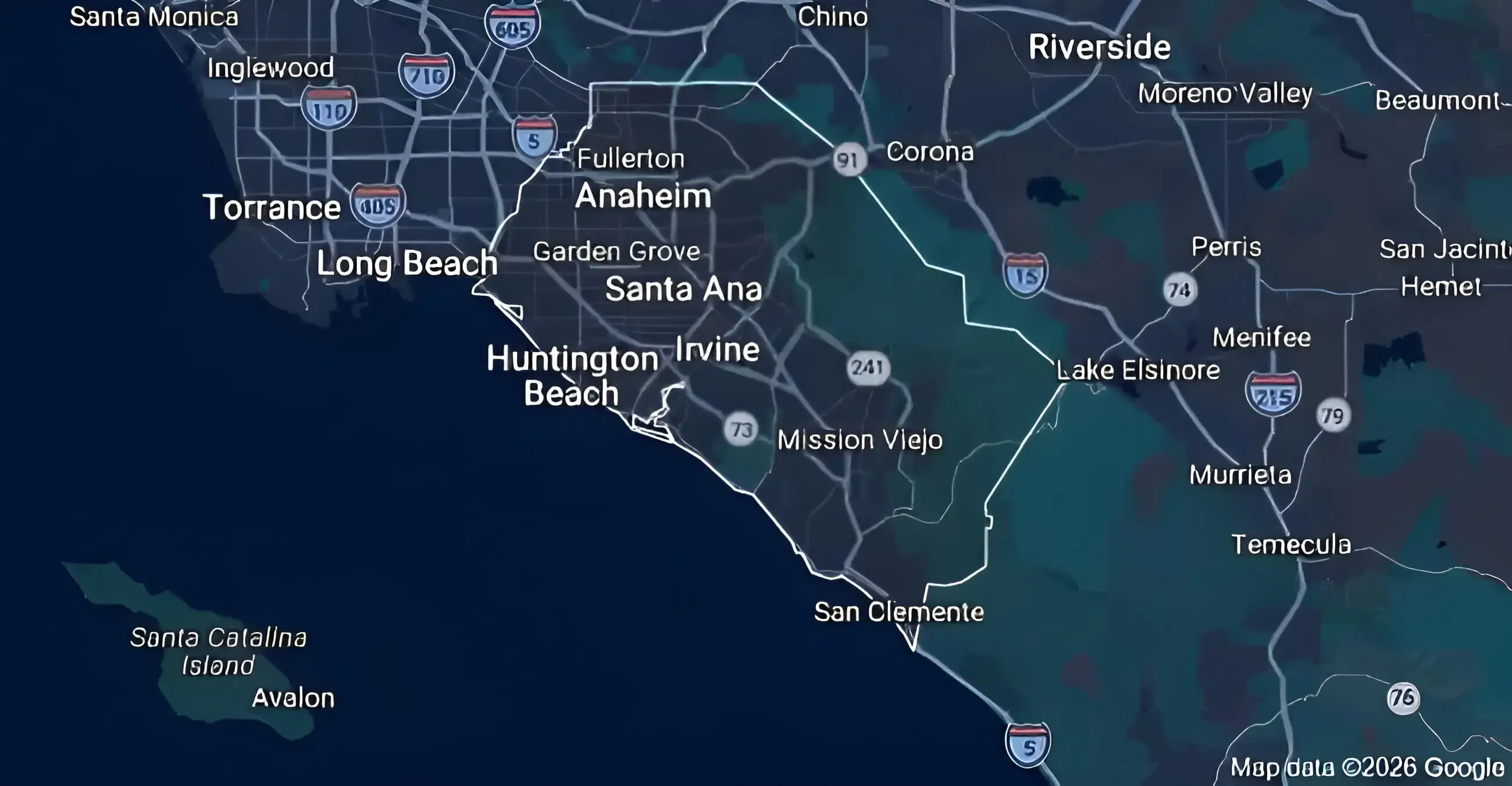
Orange County
Heat pump service in Orange County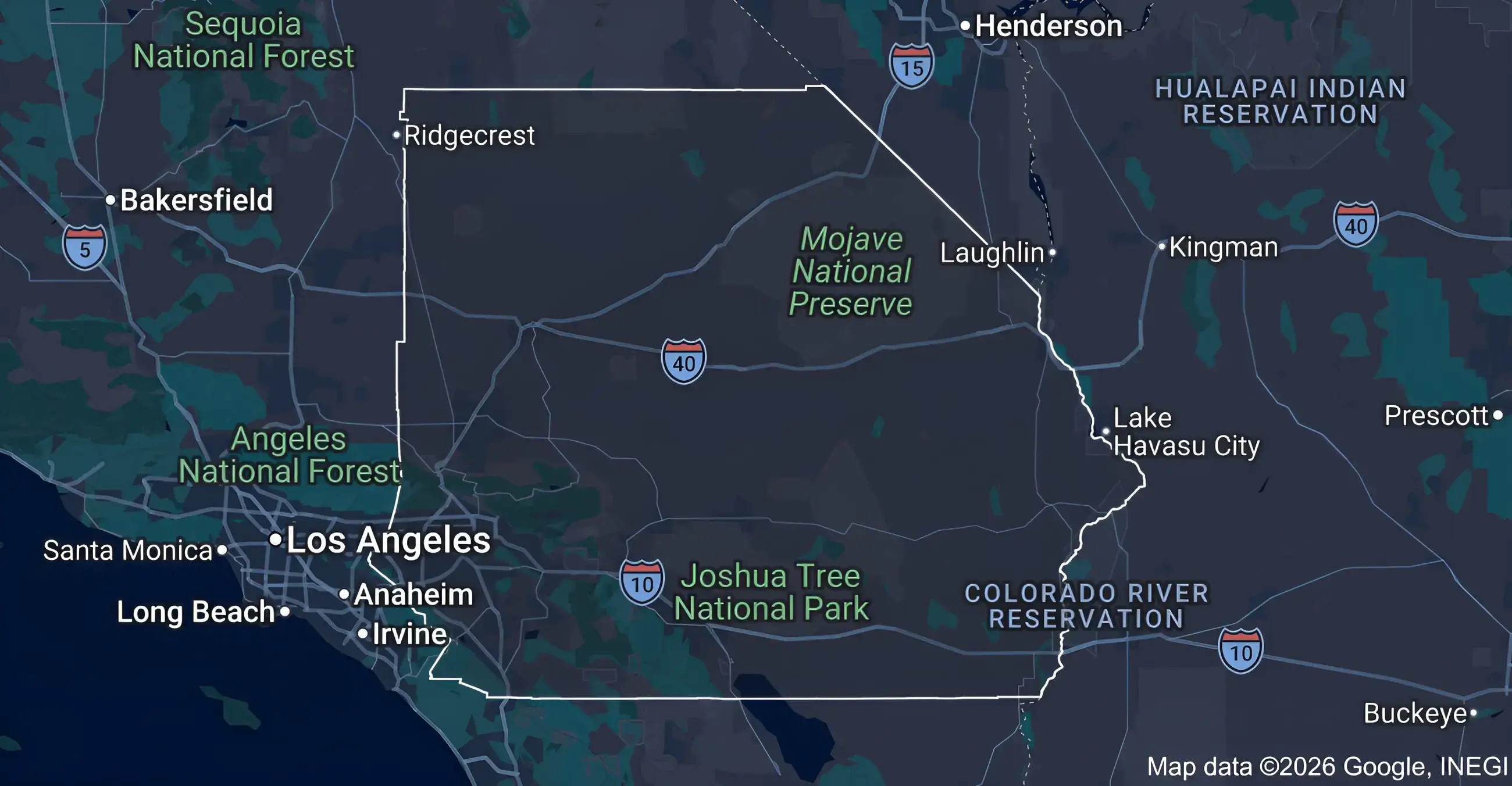
Inland Empire
Heat pump service in Inland EmpireDo not see your city? Call us and we will confirm coverage.
Why AIRPRO SOLUTIONS
A technician who explains what they found
You get a plain-language summary of what was checked, what the cause looks like, and what your options are, so you can decide what to do next.
Related
Explore related services
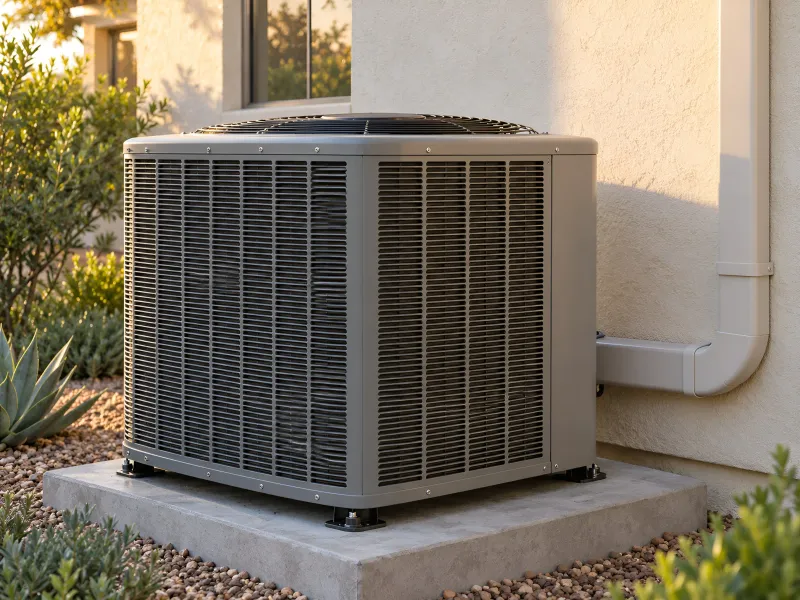
AC Repair
Diagnosis and repair for air conditioners that aren't cooling, blow warm air, leak, or make unusual noises.
View service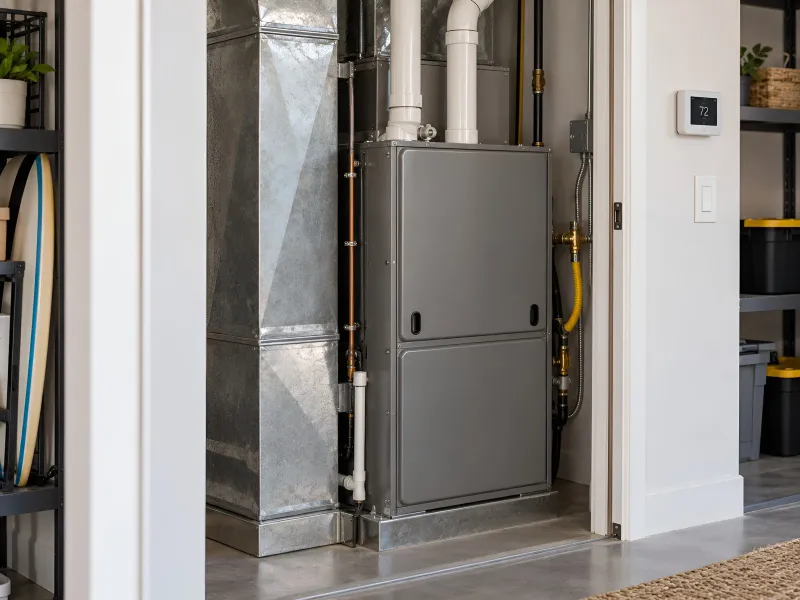
Heating Repair
Diagnosis and repair for furnaces, heat pumps, and heating systems that won't turn on or heat unevenly.
View service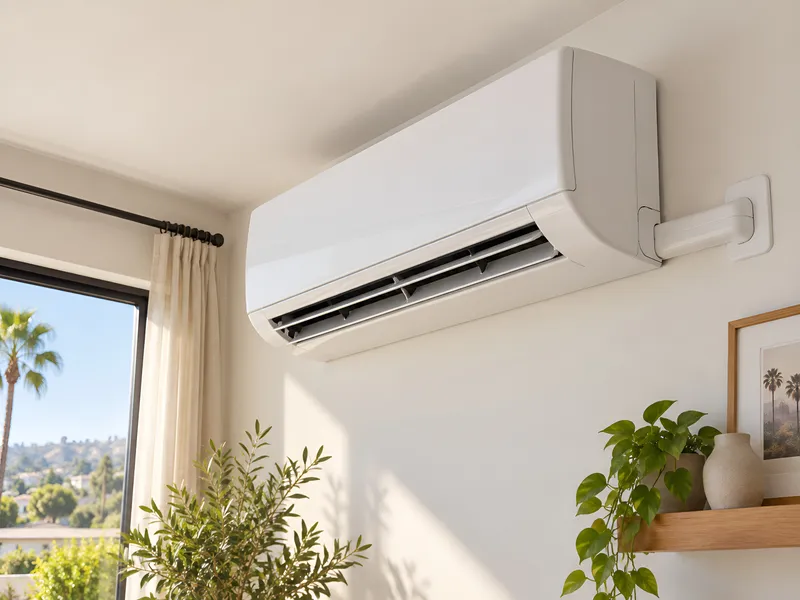
Ductless Mini-Split
Ductless mini-split installation and service for additions, garages, and homes without central ductwork.
View service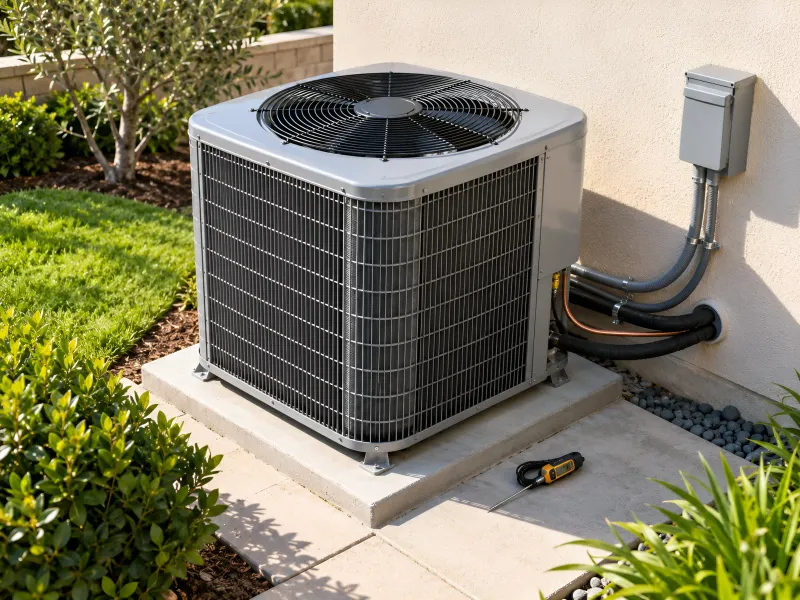
AC Maintenance
A pre-season tune-up checks controls, electrical connections, coils, the condensate drain, and airflow so small problems can be found early.
View serviceMore on this topic: AC maintenance · AC installation · Furnace installation compared with a heat pump · Ductwork and airflow · Indoor air quality · Emergency HVAC
Direct answers
Heat pump questions Southern Californians ask
What does a heat pump do?
A heat pump moves heat between your building and the outdoors. It cools by moving indoor heat outside, and it heats by reversing that process.
Why is my heat pump not heating or cooling?
Several faults can cause it, so it needs a diagnosis rather than a guess. Possible causes include airflow restrictions, thermostat or control problems, failed electrical components, refrigerant issues, fan or compressor problems, or a reversing-valve fault.
Why does my heat pump work in cooling but not in heating, or the reverse?
The reversing valve changes refrigerant flow between heating and cooling, so a fault there is one possible cause. A valve, solenoid, control, or refrigerant-circuit issue can stop proper changeover, so the system should be inspected rather than assumed to need one specific part.
Is frost or steam from the outdoor unit normal?
Some frost and a cloud of steam can be normal during a defrost cycle. If ice persists and does not clear, arrange service.
How often should a heat pump be serviced?
The right schedule depends on system condition, how much you use it, your environment, and the manufacturer's requirements. A professional visit commonly checks refrigerant and airflow, electrical connections, coils, the drain system, the reversing valve, the defrost cycle, and indoor blower components.
Can a heat pump use my existing ducts?
Often yes, when the duct system is suitable. The ducts should be evaluated for condition, airflow, sizing, leakage, and compatibility with the new equipment.
Can I install a heat pump if my home has no ducts?
Yes. Ductless mini-split and multi-split heat pumps do not need ducts. They can reduce construction and suit additions, studios, or smaller homes, though the right design depends on room layout, loads, drainage, electrical capacity, and equipment placement.
Do I need a permit to replace a heat pump in California?
It depends on the local jurisdiction and the scope of the project. California's 2025 Energy Code applies to permit applications submitted on or after January 1, 2026, and covers applicable HVAC alterations. Confirm requirements with the local authority and your licensed contractor before work begins.
Can a new heat pump still use R-410A?
Existing R-410A systems are not automatically required to be replaced and can still be repaired. EPA's rules for new installations have changed, so the refrigerant allowed for a new system depends on the equipment and when it was made or imported. Ask your contractor which rules apply to the equipment in your proposal.
Are there heat pump rebates in Los Angeles?
LADWP lists heat-pump HVAC rebates of up to $2,500 per ton for eligible residential customers and equipment. Program terms and approval apply. Availability and eligibility can change, so confirm before you make a purchase decision.
How much does heat pump repair or replacement cost?
It depends on the fault, the equipment, and the property. System type, capacity, electrical work, ductwork, access, and permit needs all move the total. Call (323) 776-9047 and we will explain what applies to your property.
Do you service ductless mini-splits, packaged units, or rooftop units?
Tell us what you have and we will confirm before booking. Each type has its own service path. Mini-splits need indoor-head filters, coils, and drain routing checked. Packaged and rooftop units add roof or pad access and scheduling. Call (323) 776-9047 with your equipment type.
Get your heat pump looked at
Call us or request service online.