 AIRPRO SOLUTIONS
AC Repair Service in Los Angeles and Southern California
No cooling, weak airflow, strange noises, or water leaks? AIRPRO SOLUTIONS provides residential and commercial AC repair in Los Angeles and across the South Bay, Orange County, and the Inland Empire.
- Licensed HVAC contractor
- Residential and commercial
- Existing R-410A systems can be repaired
- 4 Southern California regions
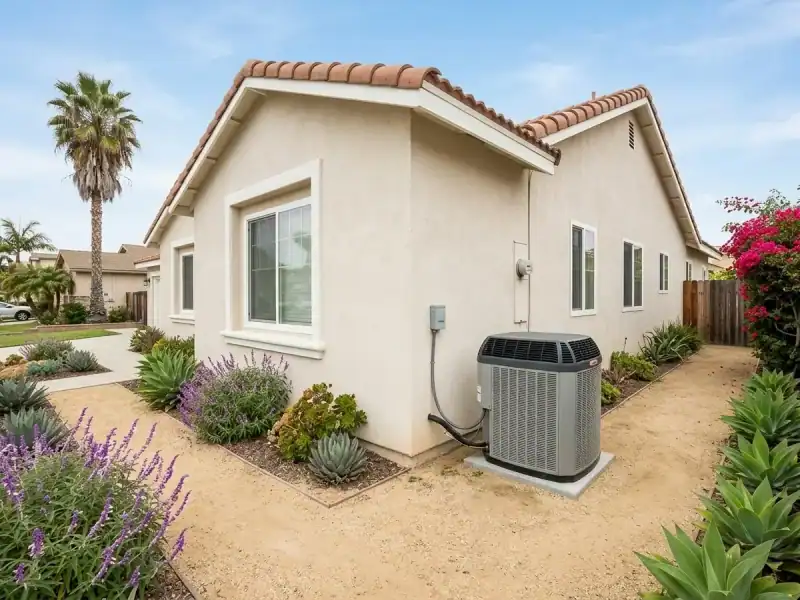 AC repair for homes and businesses
Quick answer
Air conditioning repair is a diagnostic service followed by customer-approved corrective work. A technician finds why the system is not cooling, draining, moving enough air, or running reliably, explains the cause, and repairs it once you approve the price.
Across Southern California
How local conditions shape AC repair
Los Angeles County. Coastal areas have ocean moderation while inland and valley locations can run much hotter in heat events. We diagnose by property and equipment: older duct systems, condos with access limits, single-family homes, and commercial spaces.
South Bay. Coastal weather does not eliminate AC failures. Systems still need accurate airflow, electrical, drainage, and refrigerant diagnostics, whether the property is a condo, a townhome, a single-family home, or a commercial site.
Orange County. Coastal Orange County is cooler than the inland valleys, but warm, humid nights can still strain comfort. We work with central AC, heat pumps, ductless systems, condos, townhomes, and commercial sites based on the actual equipment and access. HOA rules for outdoor equipment vary by property.
Inland Empire. Inland valleys run hotter and drier in heat events, so a breakdown is urgent, but temperature alone does not identify the fault. Dust, construction, and outdoor debris can contribute to filter and coil loading, and South Coast AQMD has issued windblown-dust advisories that include East Riverside County.
AC repair facts
- Visit type
- Diagnosis first, repair after you approve the price
- Common faults
- Failed capacitors and contactors, refrigerant leaks, fan and blower motor faults, dirty or frozen coils, thermostat faults, and condensate drain clogs
- R-410A systems
- Existing R-410A systems can still be serviced
- Repair or replace
- ENERGY STAR advises considering replacement when a system is more than 10 years old, but it is not a hard rule
- License
- California C-20 contractor, license #1126691 and #50251
Sources: U.S. EPA - HFC phasedown FAQ, ENERGY STAR - Repair or replace, California CSLB - C-20 classification
Cities we serve
Where we do this
Local pages for the cities we serve across Southern California.
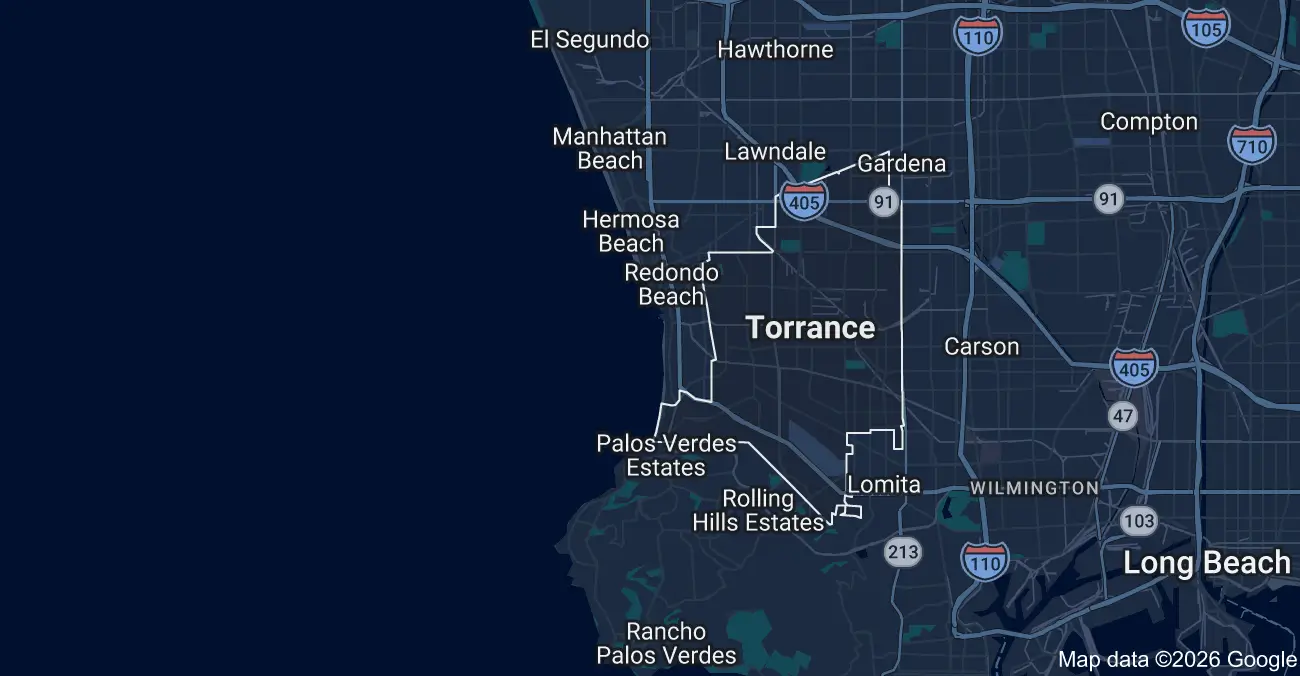
AC Repair in Torrance
Office, retail, industrial, and condo settings, with a 290-acre industrial project area. Property-line noise and equipment screening rules apply.
View service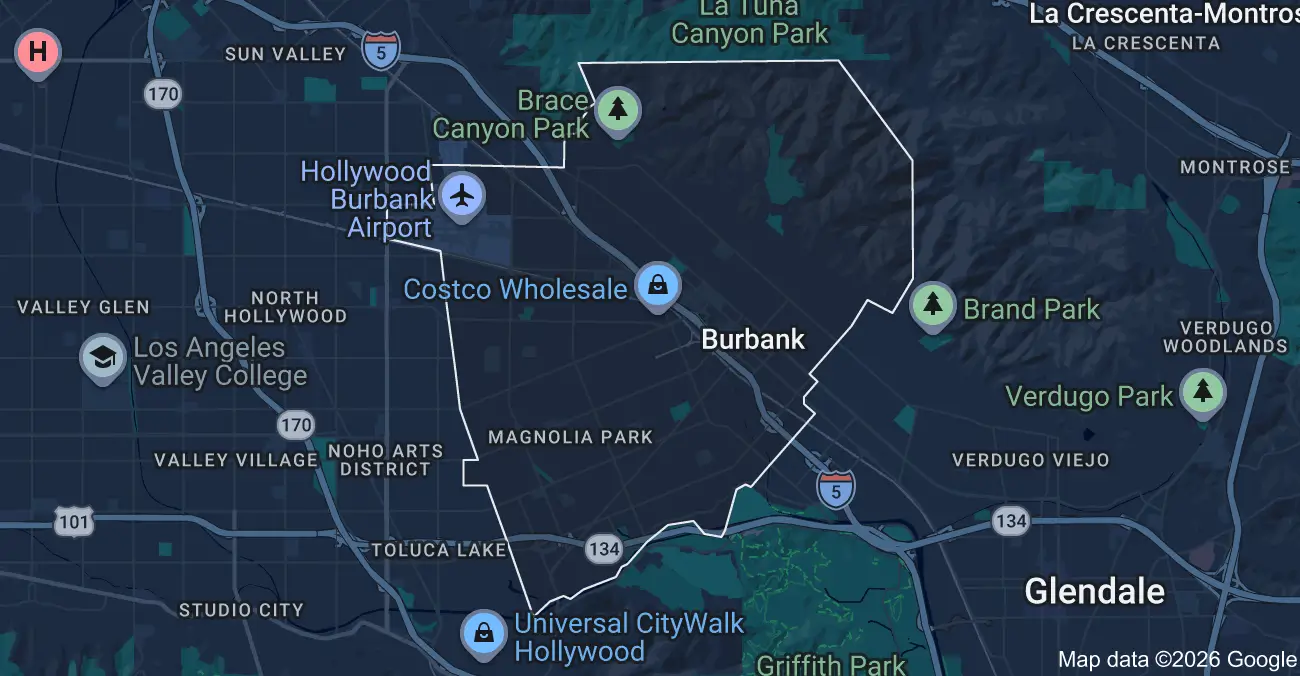
Burbank
Has its own permit tiers. Rooftop and rear-of-property replacements need an energy report.
View area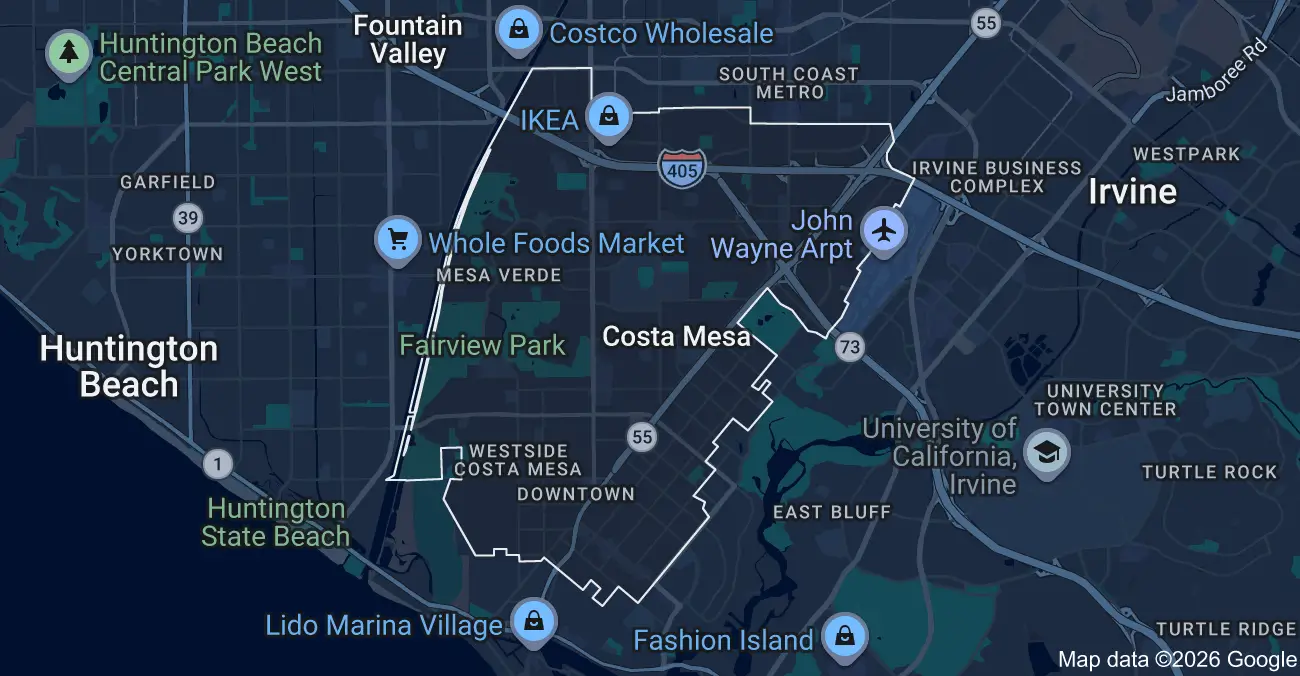
Costa Mesa
Nearly half of homes (49.6%) were built before 1970 (SCAG, 2017 American Community Survey), and 48.0% of units are multifamily (SCAG, 2018). The City's Insta-Permit covers single-family homes only, so condos, townhomes, and apartments use a different permit application.
View area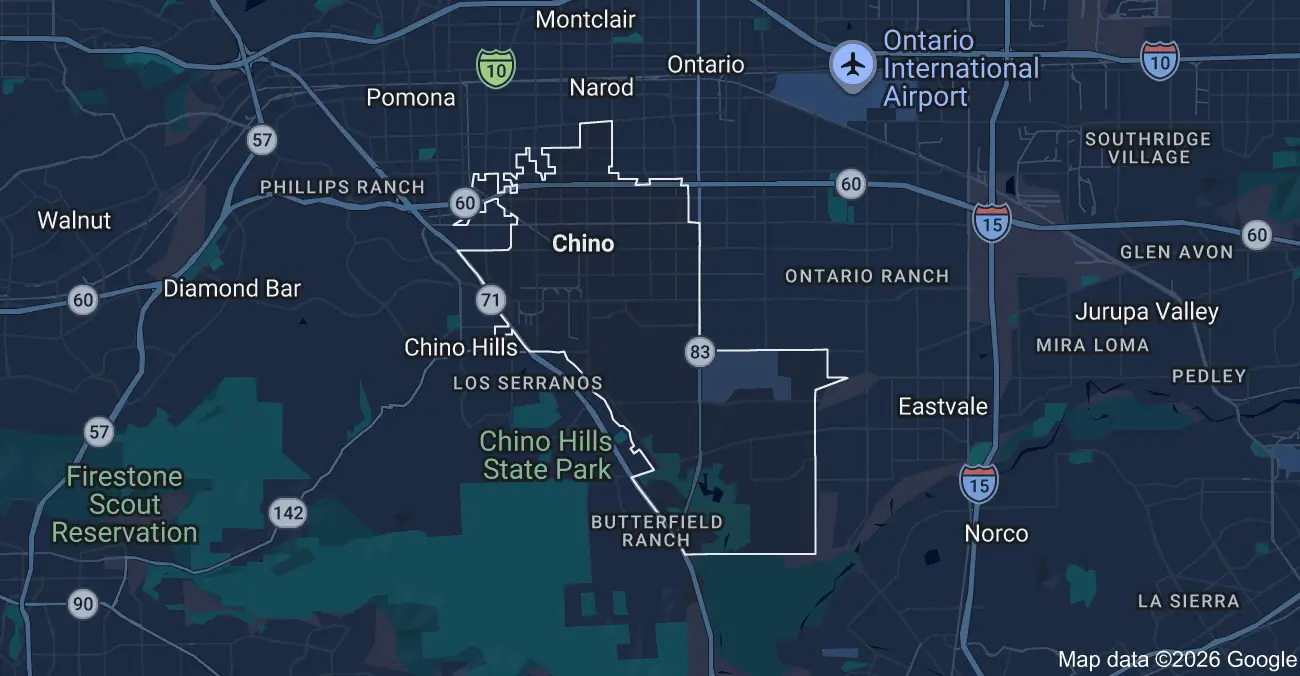
Chino
The City's Building Division page says it has adopted the 2022 California Building Code with some amendments and does not say whether replacing an air conditioner needs a permit. QuickFacts reports a 64.0% owner-occupied housing unit rate for 2020 to 2024. We confirm the current steps with the City.
View area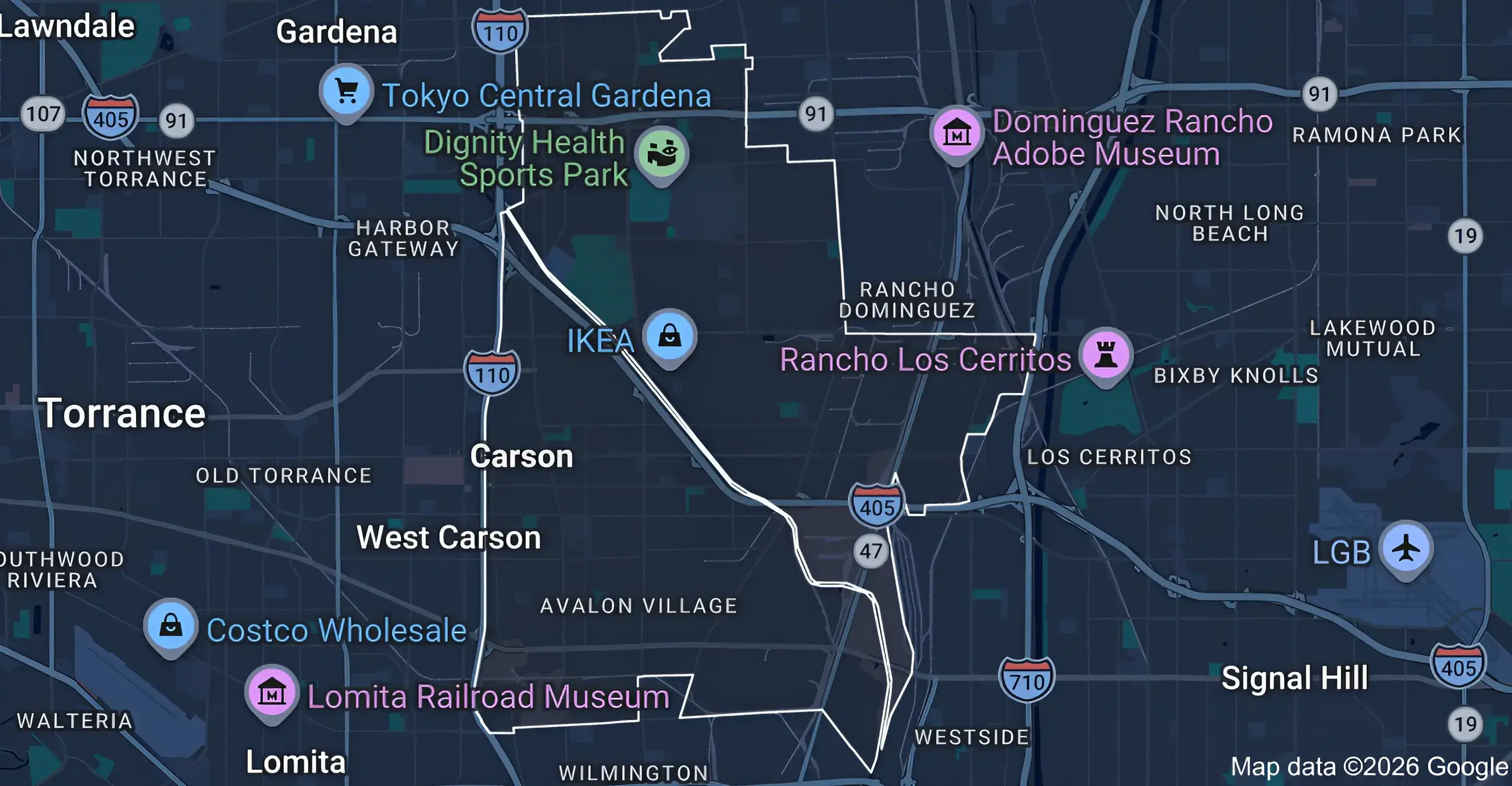
Carson
Permits go through the City’s online portal, Carson Civic Access. Clean Power Alliance supplies generation.
View area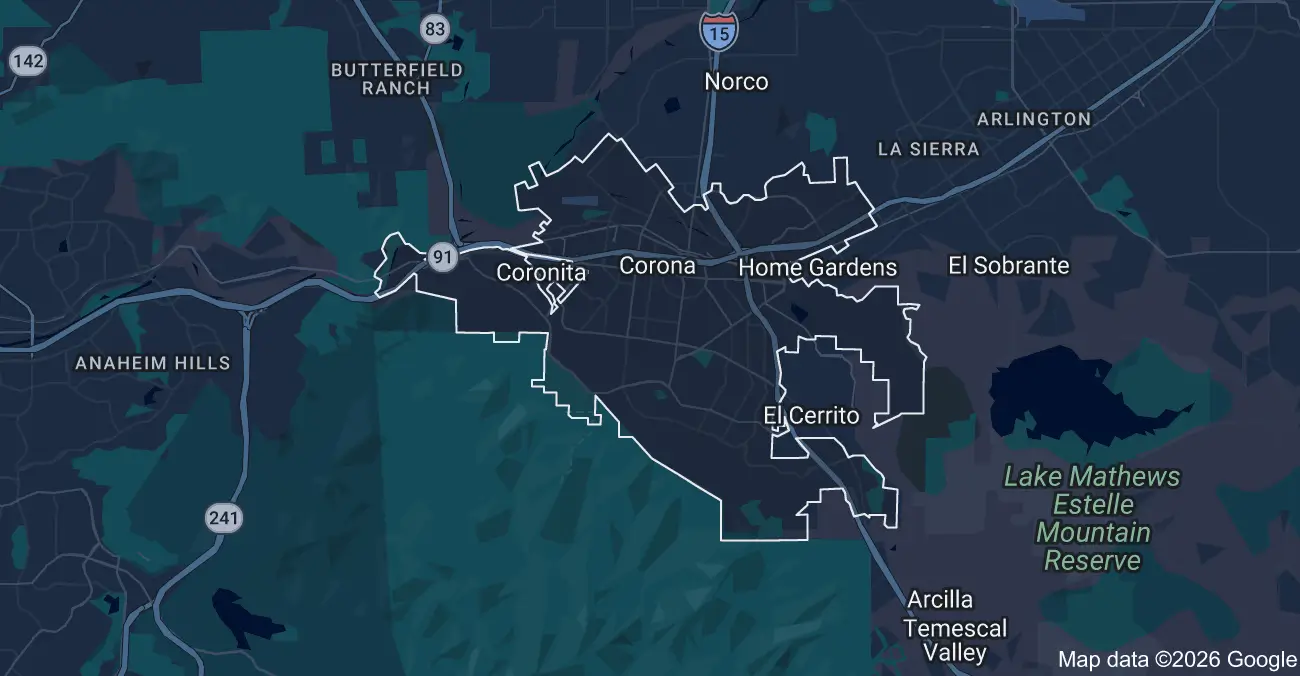
Corona
15.6% of homes were built before 1970, and 66.9% are detached homes. Electric service is mostly SCE, with small city electric areas, and the City sets setback and noise rules for outdoor units.
View area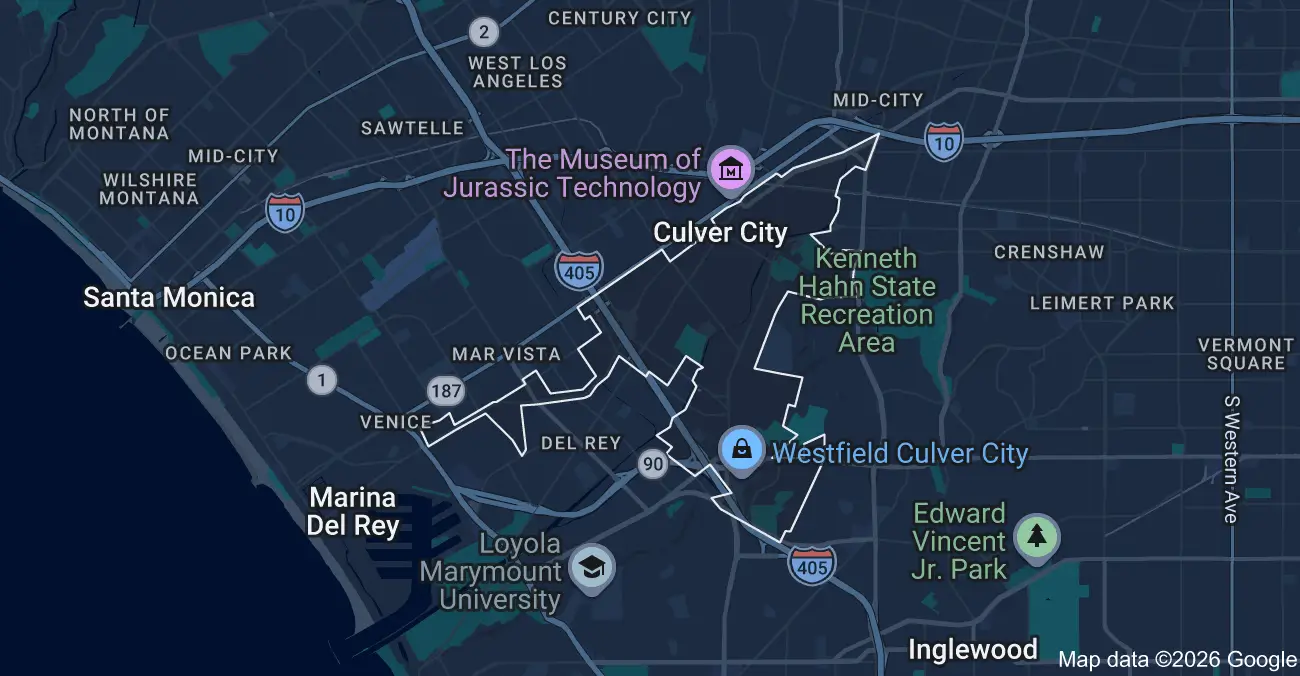
Culver City
Near-even single-family and multifamily mix. Has its own Building Safety Division for permits.
View area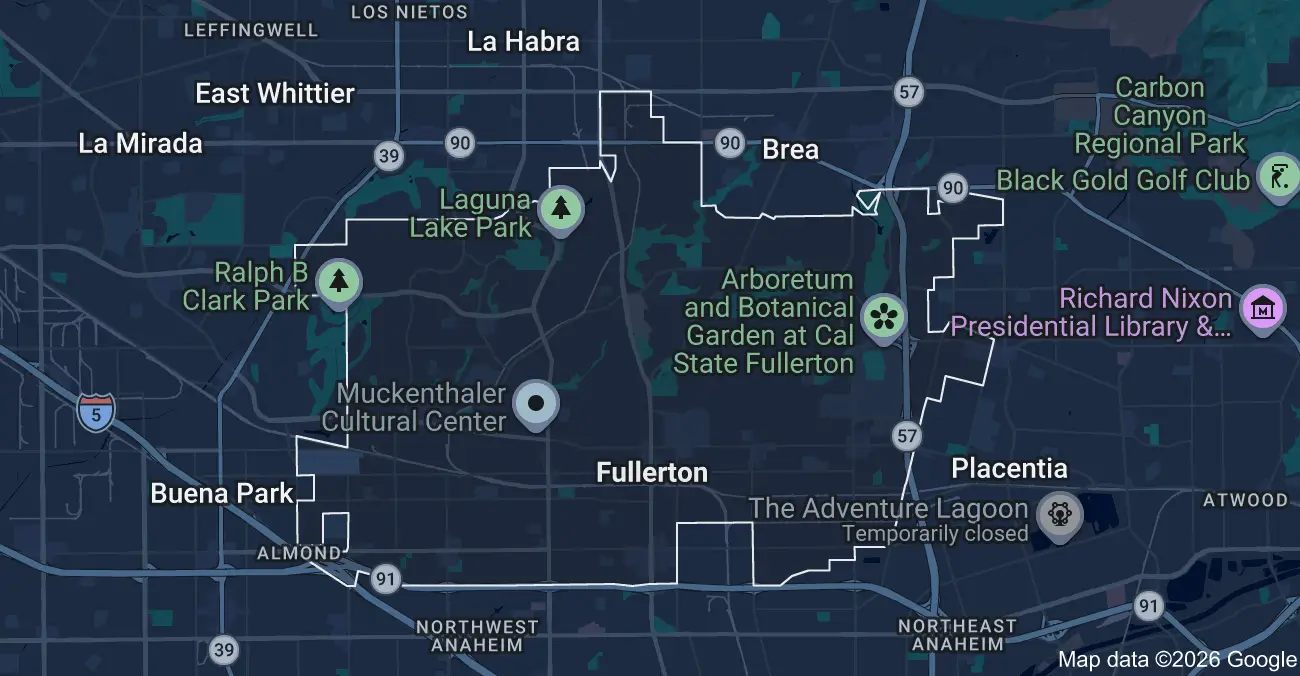
Fullerton
The City's Building and Safety page names its EasyDev online portal for permits, and its FAQ says no construction is allowed until the permit is issued. We confirm which permit your replacement needs with the City.
View areaWhen to call right away
Call promptly if:
- Cooling has failed during extreme heat
- Someone in the home is medically vulnerable to heat
- You smell burning or the breaker keeps tripping
- There is a serious water leak
- A commercial outage is affecting your operations
If you see smoke or fire, or feel immediate electrical danger, get everyone out and call emergency services first.
Signs you need this
Common signs your AC needs repair
Warm air from vents even when the system is running
Weak or no airflow from one or more vents
Unusual noises such as buzzing, humming, clicking, or grinding
Water near the indoor unit or a frozen coil or refrigerant line
Frequent cycling on and off, or a system that will not stay on
Rising cooling bills or uneven rooms with no change in how you use the system
What it could mean
What your AC symptoms can mean
A symptom rarely points to one part. These are the faults a technician tests for, not a diagnosis.
| What you notice | What a technician checks |
|---|---|
| Runs but blows warm air | Airflow, coil condition, electrical components, and refrigerant performance. Causes range from a refrigerant leak to a compressor or control fault. |
| Weak airflow | Filter, blower, ducts, coil condition, and system pressure. Weak airflow is not automatically a refrigerant problem. |
| Turns on and off frequently | Thermostat and controls, airflow, sizing, electrical faults, and the refrigerant side. It merits diagnosis, not repeated resets. |
| Frozen coil or line | Airflow restriction, coil fouling, or a refrigerant issue. Turn cooling off and arrange service. |
| Water near the indoor unit | The condensate drain path, drain pan, any condensate pump, and whether the coil is freezing and thawing. |
| Buzzing, humming, clicking, or grinding | Capacitor, contactor, fan motor, compressor, or a loose component. A noise does not identify a single failed part. |
| Higher bills or uneven rooms | System operation, ducts, coil condition, controls, and sizing. ENERGY STAR lists uneven cooling and rising bills among reasons to assess equipment condition. |
How it works
Our AC repair process
- 01
Triage
We ask about the symptom, the equipment, and whether there are electrical or water-leak signs.
- 02
Diagnose
We test airflow, electrical components, coil condition, and refrigerant performance to find the cause, not just the symptom.
- 03
Explain
You get a plain-language explanation that separates the failed part from optional maintenance or upgrades.
- 04
Options
The repair options, including parts, labor, and any refrigerant, are discussed with you.
- 05
Repair and test
We complete the approved repair, then verify cooling, drainage, electrical operation, and airflow.
- 06
Close out
We explain what was repaired, what we observed, and whether a future replacement discussion makes sense.
What to expect
What is included and what can cost extra
A typical AC repair visit may include
- Symptom review and visual inspection
- Basic operational and electrical testing
- Airflow and filter evaluation
- Coil condition evaluation
- Refrigerant performance testing where appropriate
- An explanation of the diagnosis
- Your approved repair
- Functional verification after repair
What can add to the cost
- Diagnostic or service-call fee
- After-hours, weekend, or holiday dispatch
- Refrigerant and leak detection
- Major parts such as a blower motor, control board, compressor, or coil
- Roof access, lifts, or difficult attic and crawlspace access
- Multiple systems or multi-zone diagnosis
- Return visits when a part must be ordered
- Duct repair, sealing, or replacement
- Water damage or drywall repair after a leak
- Permit and energy-code work when equipment is replaced or altered
Ask your technician which of these apply to your job before you approve the work.
Equipment
Systems we diagnose
Tell us what you have and we will confirm we can service it.
Split central AC
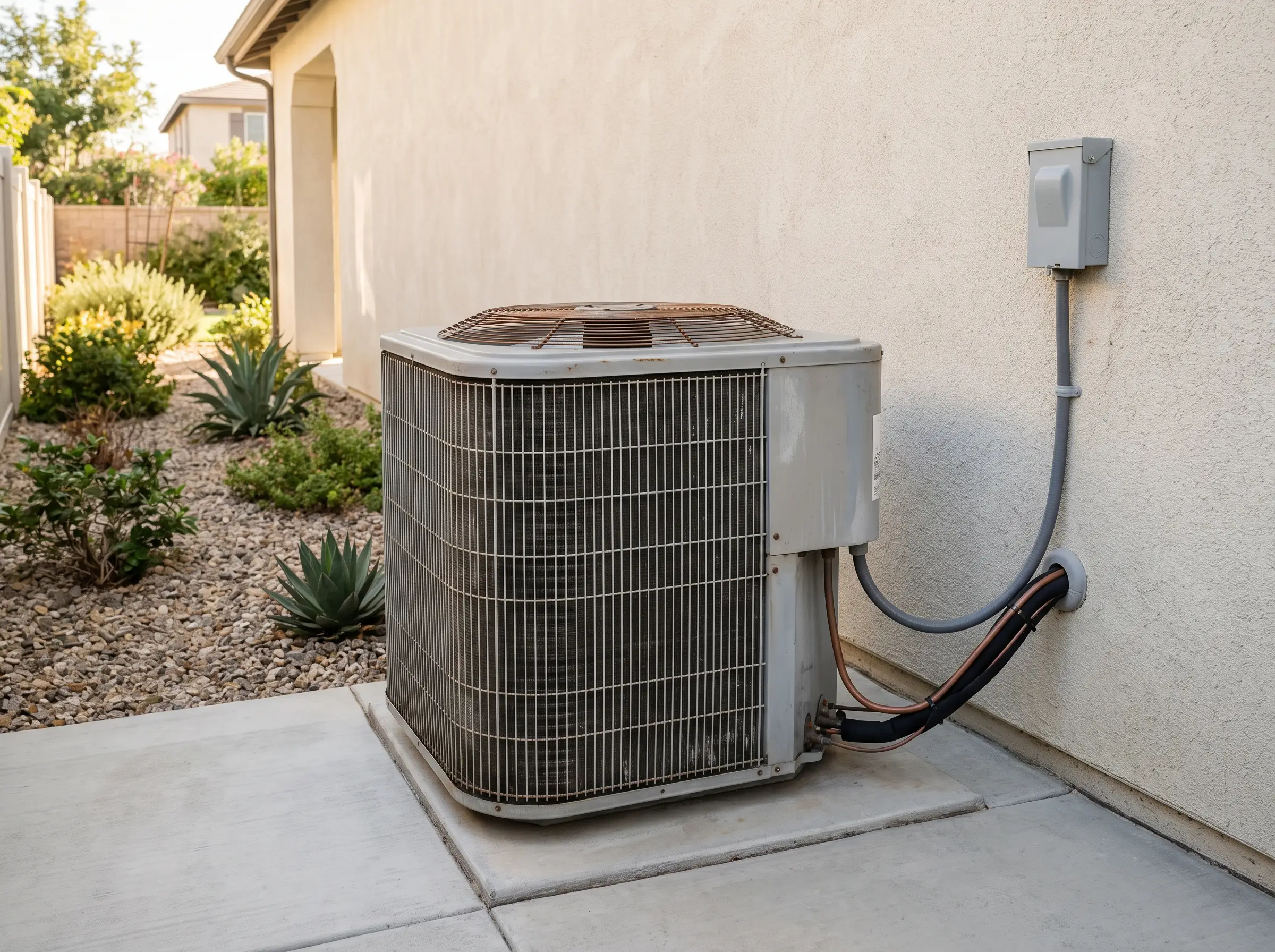
An outdoor condenser plus an indoor coil and air handler or furnace, connected to ductwork. Faults can involve the condenser, indoor coil, blower, controls, drains, ducts, or refrigerant circuit.
Heat pumps
A heat pump uses the same refrigerant system for cooling and heating, so a cooling complaint can involve many of the same electrical, airflow, coil, and compressor components as an AC.
Packaged units
Cooling and heating components in one cabinet, often on a roof or ground pad.
Ductless mini-splits
An outdoor unit connected to one or more indoor heads without conventional ducts.
Rooftop units
Commercial packaged equipment on a roof. We can evaluate rooftop equipment for commercial properties.
Thermostats and controls
The devices and wiring that call for cooling.
Can an R-410A air conditioner still be repaired?
Yes. EPA's rules on which refrigerants may be used in new residential and light-commercial installations have changed more than once, and which rules apply depends on the equipment and when it was made or imported. Existing R-410A systems can still be serviced, and an R-410A system does not have to be replaced only because of that rule. If a repair is major, a technician can walk you through the repair option and a replacement comparison so you decide with real numbers. Ask your contractor which rules apply to the equipment in your proposal.
Source: U.S. EPA, HFC Phasedown FAQ
Pricing
What affects AC repair cost
AC repair pricing depends on what testing finds, not just the symptom. Minor electrical parts and thermostat repairs often cost less than refrigerant-leak, motor, coil, or compressor work. After diagnosis, ask for a written repair option that identifies the issue, the recommended scope, and the total before work begins.
| Repair type | What moves the price |
|---|---|
| Capacitor, contactor, or thermostat | Part type, access, system voltage, and any other electrical fault |
| Refrigerant recharge and leak work | Refrigerant type and quantity, leak detection, whether the leak is found and repaired, and access |
| Fan or blower motor | Motor type, indoor or outdoor location, and equipment model |
| Evaporator or condenser coil | Coil availability, matching requirements, refrigerant, labor, warranty, and equipment age |
| Compressor | Size, refrigerant, warranty status, related electrical and refrigerant work, and whether replacement is more economical |
A recharge can restore cooling temporarily, but if the system is low, the underlying leak still needs to be found and repaired.
Not sure which you need?
Repair or replace?
Repair may make sense when
- System is relatively new
- The issue is isolated and the repair is reasonable
- Cooling and efficiency are otherwise reliable
- Parts are still available for the system
Replacement may make sense when
- Equipment is near or past its expected life
- Repairs have become frequent or expensive
- Energy bills or comfort problems persist
- The system is obsolete or uses a phased-out refrigerant
ENERGY STAR advises considering replacement when a system is more than 10 years old, especially with frequent repairs, rising energy bills, or comfort problems. It is not a hard rule. A younger unit may warrant replacement after a major failure, and an older unit may still be repairable. The right call depends on the diagnosis, warranty status, condition, refrigerant, cost, and your plans for the property.
If the repair is major or the system has a history of breakdowns, we can provide a repair option and a replacement comparison so you can decide with the actual numbers.
Good to know
Licensing, permits, and energy-code basics
Licensing
California requires a CSLB-licensed contractor for projects of $1,000 or more in labor, materials, and all other costs, and for any project that needs a building permit or uses employee labor. The C-20 classification covers installation, maintenance, service, and repair of air-conditioning systems. You can verify any contractor’s license on the CSLB website.
Permits
Repair and replacement are not the same. Permit requirements are set by the city or county and depend on project scope, and not every repair needs one. For replacements, permit requirements vary by city and project scope, and we can explain the permit path before work begins.
Energy code
California energy code can require refrigerant-charge and airflow verification when cooling equipment is replaced or altered, sometimes by a HERS rater. That applies to regulated replacements and alterations, not to every repair.
Who this is for
Residential and commercial AC repair
- Single-family homes
- Condos and townhomes
- Apartment communities
- Office buildings
- Retail and restaurants
- Rooftop package units
Access matters as much as the fault. Condos and HOA properties, apartments, rooftops, attics, crawlspaces, and older ductwork each change how a repair is planned. We assess the property and the equipment, not the ZIP code. Commercial AC repair · Residential HVAC
Where we work
AC repair across Southern California
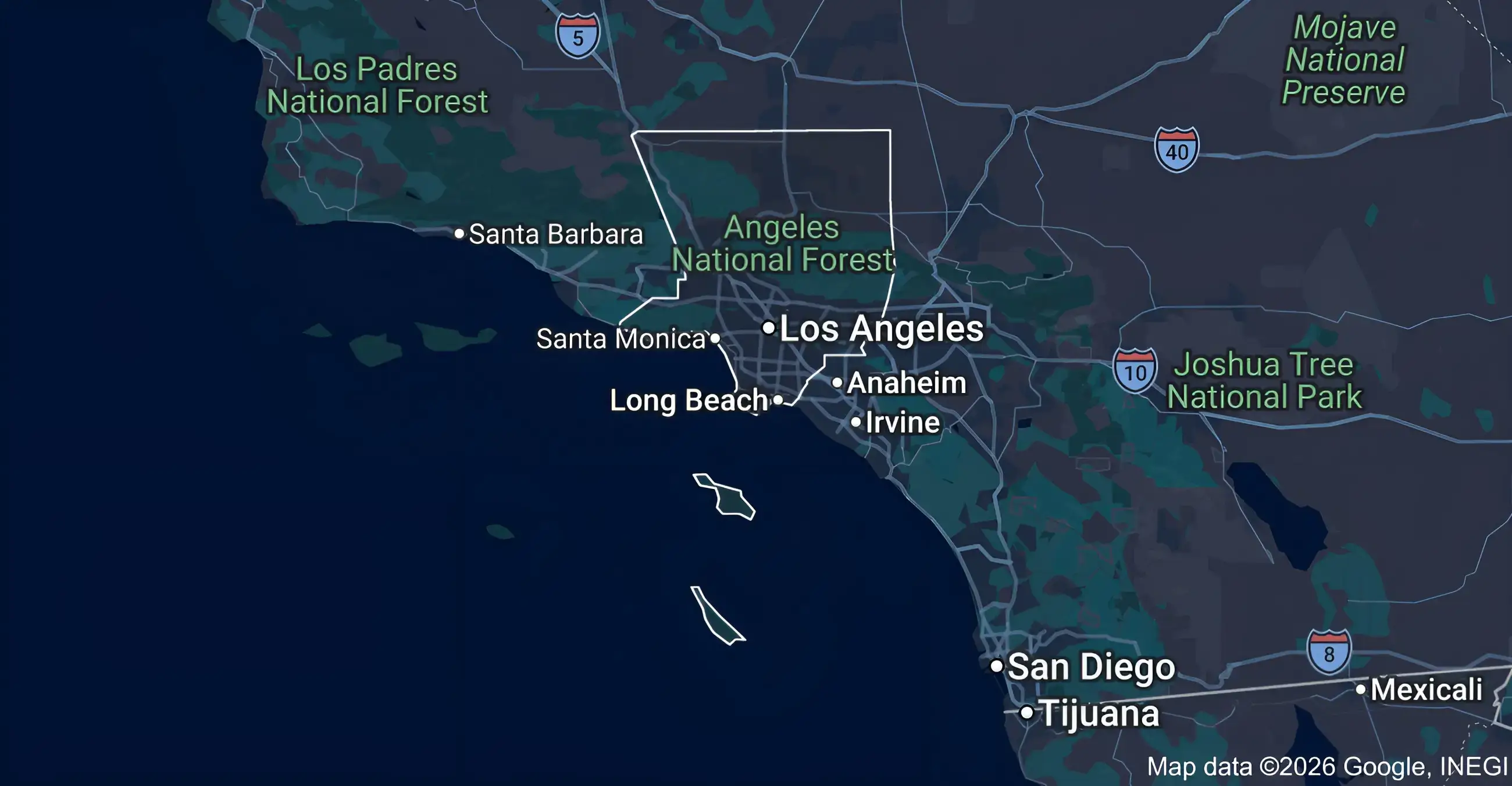
Southern California is not one climate. NASA analysis of regional heat waves found coastal parts of southern LA County and Orange County were cooler than inland valleys, while Riverside and San Fernando valley areas were hotter and drier. Humid heat can also raise nighttime heat stress, both on the coast and inland. Weather points to how urgent a breakdown feels. It does not tell a technician which part failed.
During the September 2024 heat wave, multiple Southern California locations reached 100°F or more, and Long Beach reached 109°F. NOAA’s Climate.gov documented it, and CAISO identifies summer heat as a key driver of electricity demand.
Los Angeles County
AC repair in Los Angeles County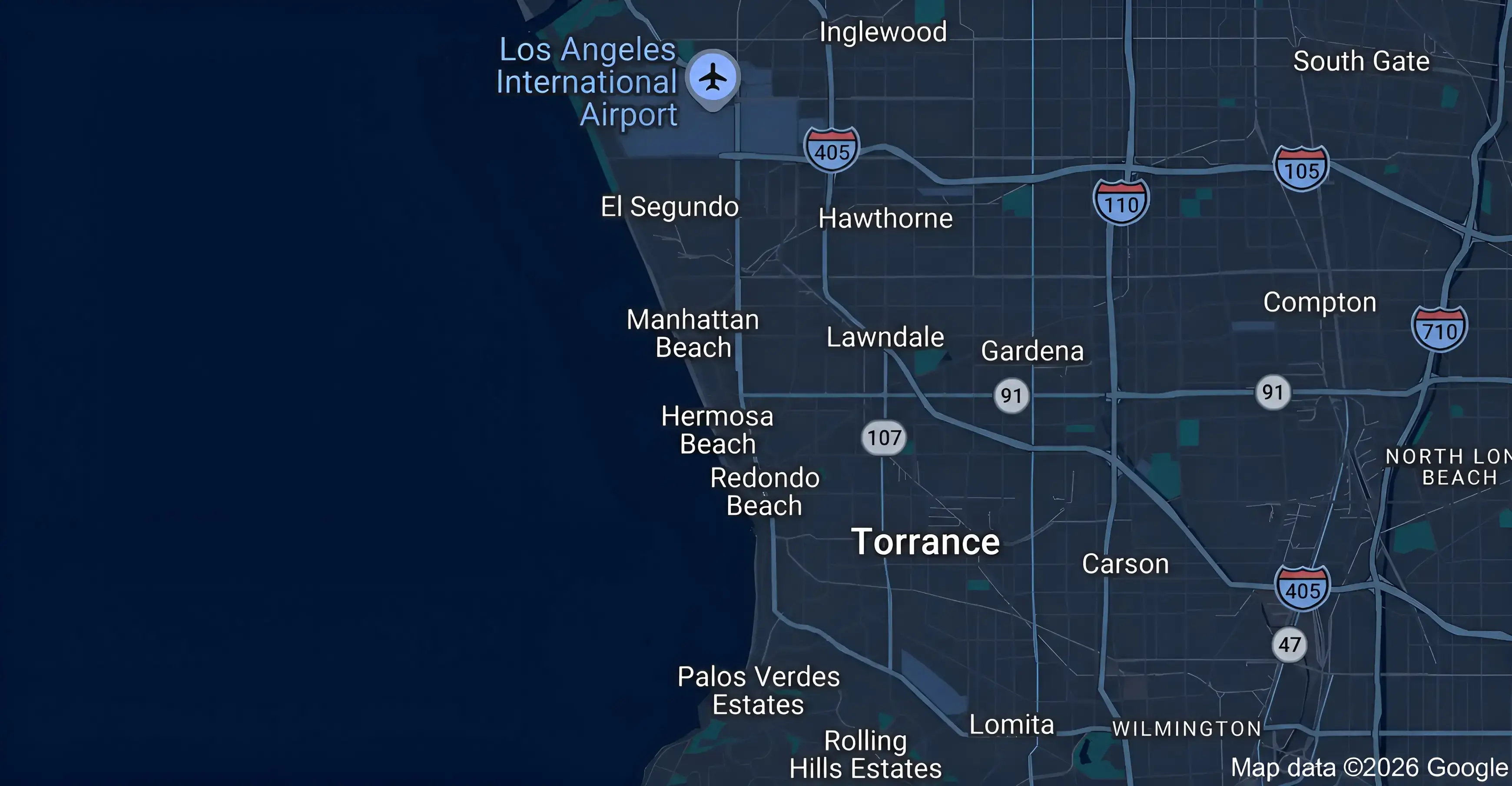
South Bay
AC repair in South Bay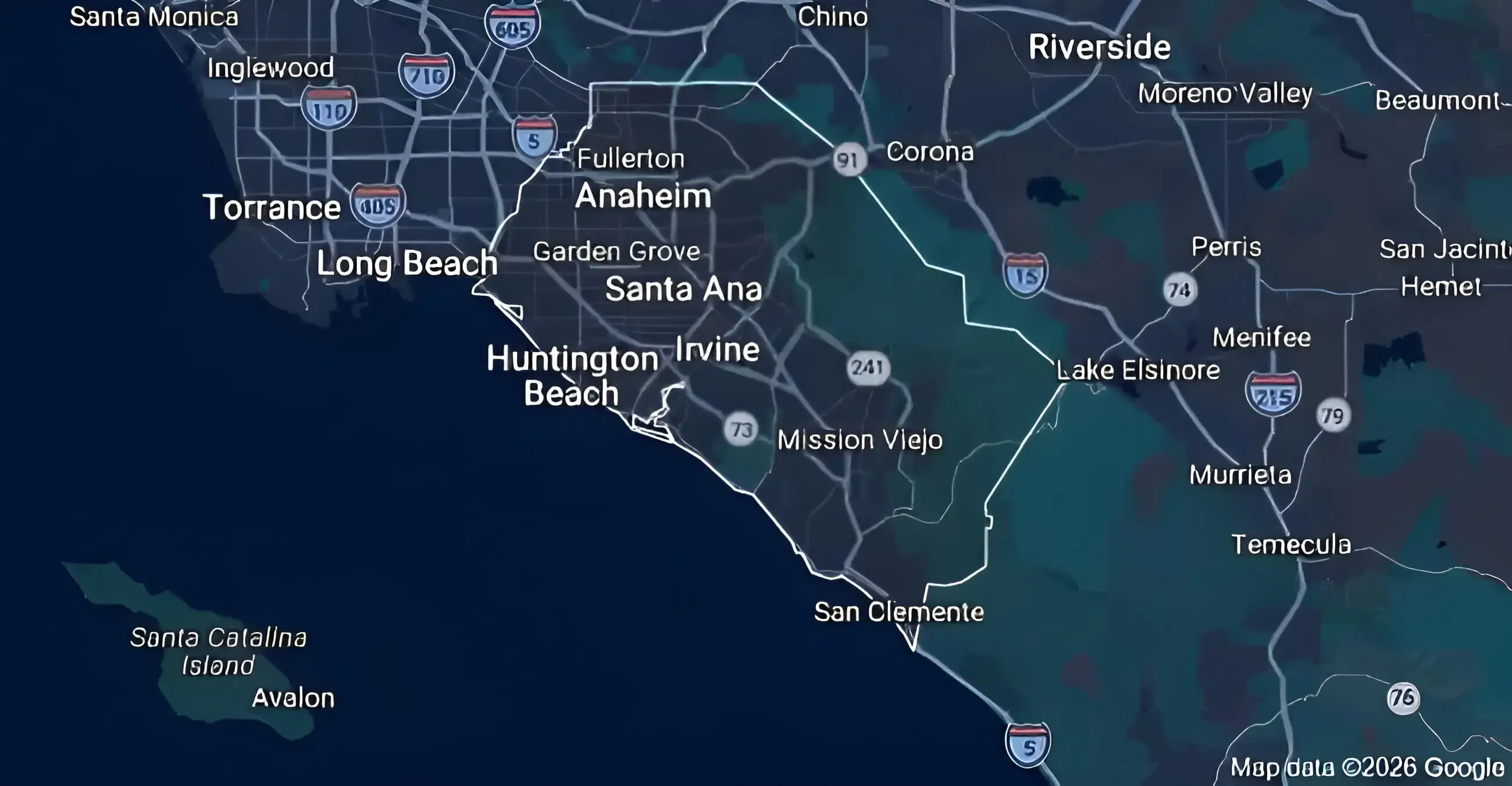
Orange County
AC repair in Orange County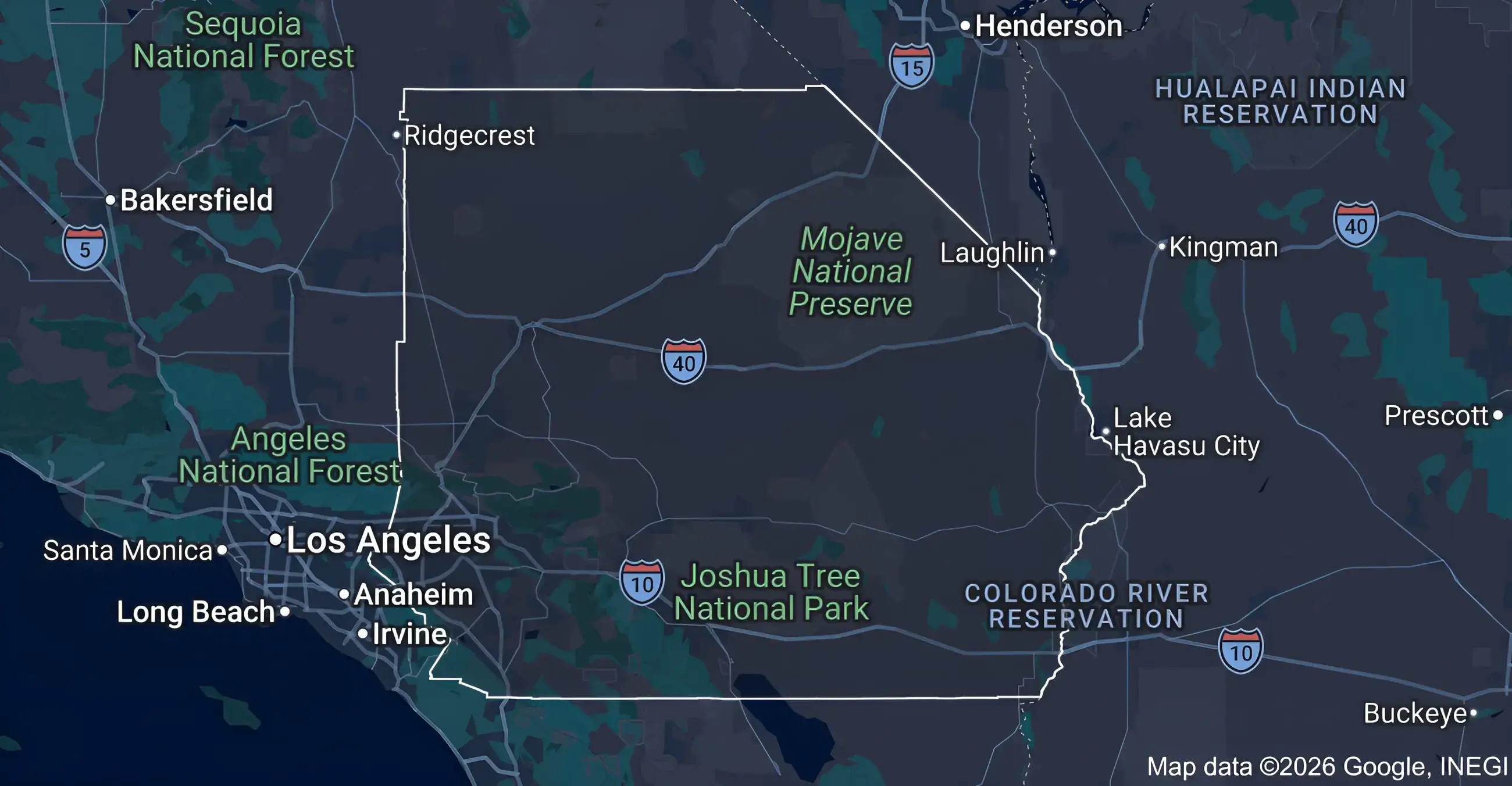
Inland Empire
AC repair in Inland EmpireDon't see your city? Call us and we will confirm coverage.
Why AIRPRO SOLUTIONS
Licensed, background-checked technicians
Every technician is background-checked, and AIRPRO SOLUTIONS is licensed, bonded & insured in California.
Related
Explore related services
AC Installation
New air conditioner installation and system replacement, sized to your home or business.
View service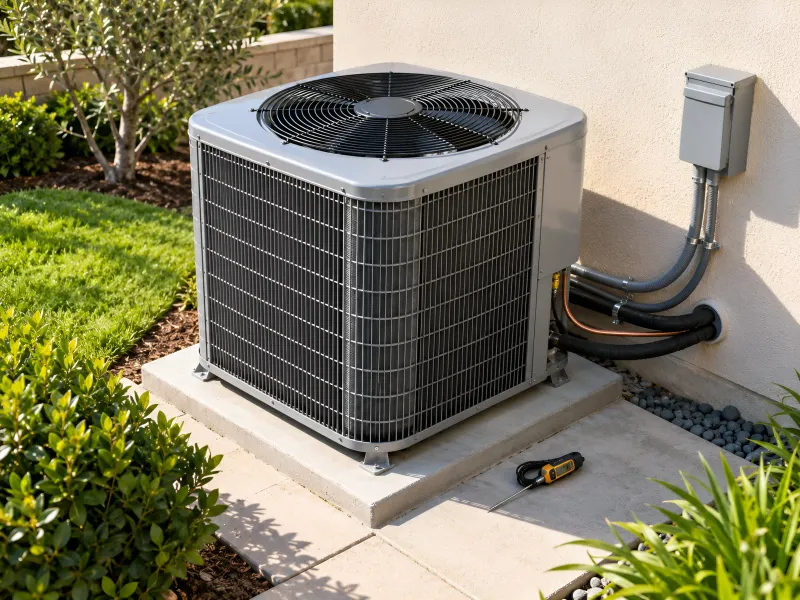
AC Maintenance
A pre-season tune-up checks controls, electrical connections, coils, the condensate drain, and airflow so small problems can be found early.
View service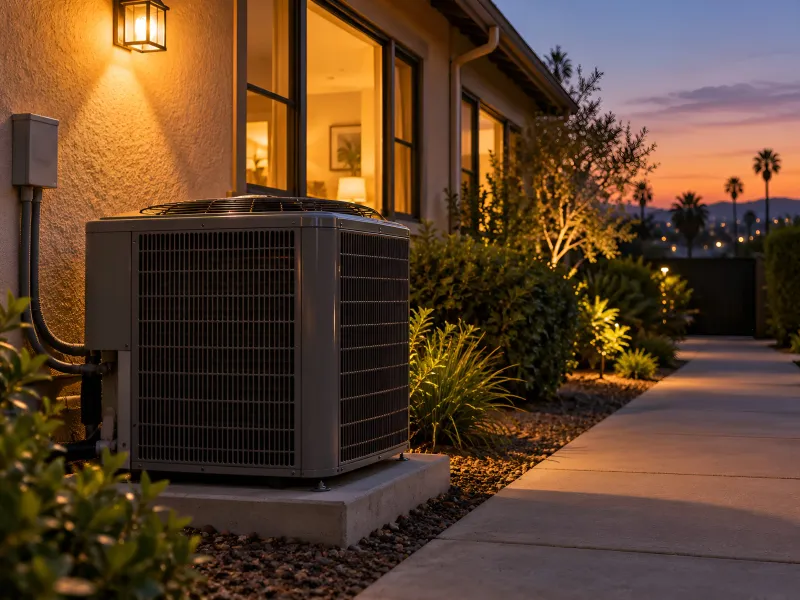
Emergency HVAC
24/7 dispatch for no-cool and no-heat emergencies that can't wait for a scheduled appointment.
View service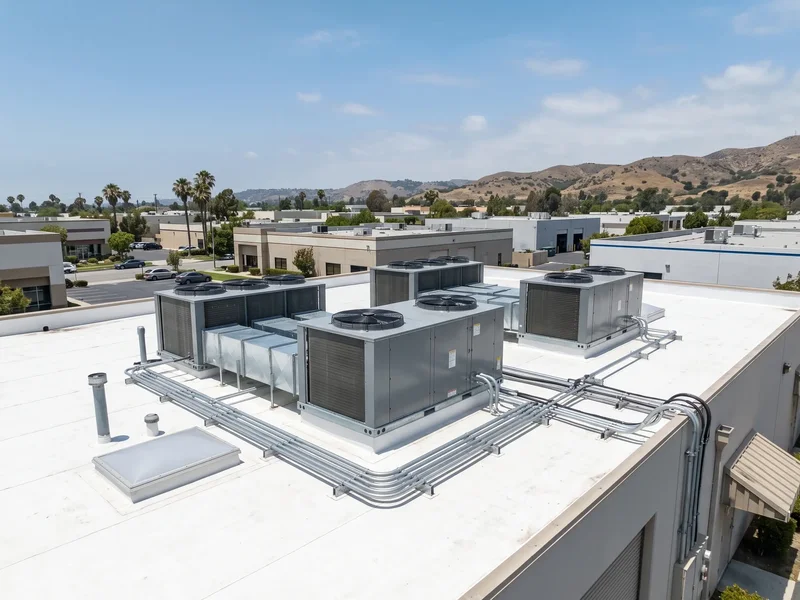
Commercial HVAC
Repair, replacement, and maintenance agreements for commercial buildings.
View serviceMore on this topic: AC repair in Torrance · Heat pump services for cooling and heating problems · Ductless mini-split service · Air filtration and indoor air quality options · Duct inspection for airflow problems · Heating repair and furnace service · Furnace installation and replacement
Direct answers
AC repair questions Southern Californians ask
Why is my AC running but not cooling?
Warm air can result from airflow problems, coil fouling, refrigerant issues, electrical-control faults, or compressor-related problems. A technician should test the system rather than assume one cause from the symptom alone.
Why is my AC blowing weak airflow?
Weak airflow may involve the filter, blower, ducts, coil condition, or system pressure. It is not automatically a refrigerant problem, so a technician should check airflow and equipment operation before recommending a repair.
What are the signs my AC needs repair?
Noisy equipment, uneven cooling, excessive dust, and frequent on and off cycling are warning signs identified by ENERGY STAR. Warm air, water near the indoor unit, and rising cooling bills with no change in use are also worth having looked at.
Can an R-410A air conditioner still be repaired?
Yes. EPA's rules on which refrigerants may be used in new residential and light-commercial installations have changed more than once, and which rules apply depends on the equipment and when it was made or imported. Existing R-410A systems can still be serviced, and they do not have to be replaced only because of that rule.
How much does AC repair cost in Los Angeles?
Cost depends on the diagnosis, the part, labor, access, refrigerant, warranty status, and whether the visit is after hours. Minor electrical parts and thermostat repairs often cost less than refrigerant-leak, motor, coil, or compressor work. Ask for a written repair option with the total before you approve any work.
Is a refrigerant recharge enough if my AC is low?
Not necessarily. A recharge can restore cooling temporarily, but a low system usually has a leak, and the leak still needs to be found and repaired. A technician should diagnose the leak instead of only adding refrigerant.
Should I repair or replace an AC that is over 10 years old?
Consider replacement if the system is over 10 years old, needs frequent repairs, has rising operating costs, or produces comfort problems. It is not automatic. Compare the diagnosed repair, warranty status, equipment condition, and replacement options.
Does AC repair require a permit in California?
It depends on the scope and the local jurisdiction, and not every repair requires a permit. Equipment replacement and regulated alterations commonly involve local permit and energy-code requirements. Confirm requirements with the city or county that has jurisdiction.
How long does AC repair take?
It depends on the problem. Some repairs are brief once the failed part is confirmed, while leak detection or a major component takes longer. Time depends on diagnosis, equipment access, parts availability, and whether other issues are found. Your technician gives you an estimate after diagnosis.
What should I do when my AC fails during a heat wave?
Arrange service promptly, especially if there are vulnerable occupants, a commercial operation at risk, or extreme indoor heat. Call (323) 776-9047 to ask about availability for your city.