 AIRPRO SOLUTIONS
Ductwork Services in Los Angeles and Southern California
AIRPRO SOLUTIONS provides ductwork repair, sealing, and replacement for homes and businesses in Los Angeles and across the South Bay, Orange County, and the Inland Empire. We start with an inspection to find out whether the problem is leakage, damage, sizing, return air, or insulation, then explain your repair, seal, or replace options.
- Licensed HVAC contractor
- Residential and commercial
- Inspection before replacement advice
- 4 Southern California regions
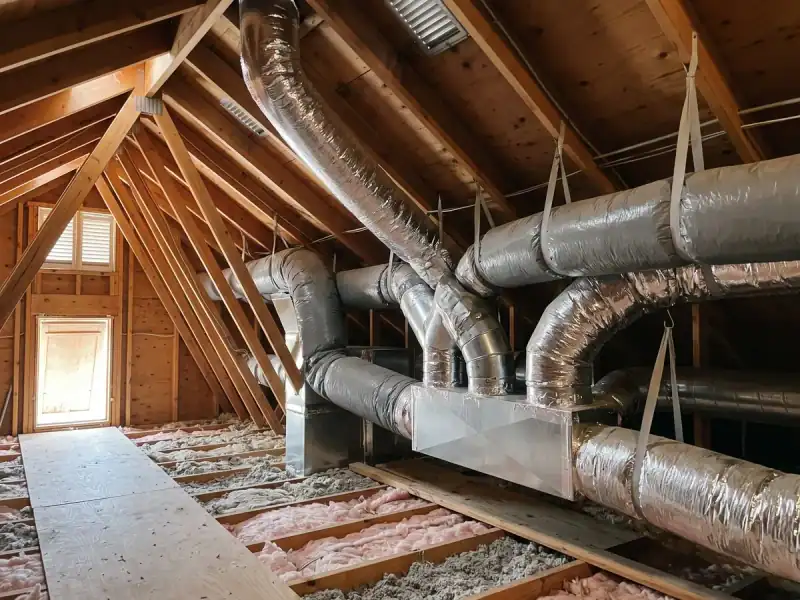 Ductwork inspection for leaks and damage
Quick answer
Ductwork service is the inspection, repair, sealing, redesign, or replacement of the ducts that carry conditioned air from your HVAC equipment to each room and return it to the system.
Across Southern California
How Southern California conditions shape ductwork service
Los Angeles County. A regional housing analysis puts the median age of LA County's housing stock at 58 years, measured in 2024. Older homes can have legacy duct layouts, hard-to-reach runs, aging insulation, or past equipment changes, so we inspect before recommending replacement.
South Bay. Coastal weather can moderate daytime temperatures, but uneven rooms, weak airflow, and duct damage still show up whenever a system runs. Comfort problems here call for a look at the whole system.
Orange County. Coastal and inland Orange County homes can carry different cooling loads. We look at the whole system rather than assume the ducts are the only cause of a comfort problem.
Inland Empire. Inland heat can make weak airflow, attic duct leakage, poor insulation, undersized returns, and uneven rooms more noticeable when cooling demand peaks.
Ductwork facts
- Duct leakage
- ENERGY STAR estimates that in a typical house about 20 to 30 percent of the air moving through the duct system is lost through leaks, holes, and poorly connected ducts
- Energy code
- The 2025 California Energy Code applies to permits applied for on or after January 1, 2026
Sources: ENERGY STAR - Duct sealing, California Energy Commission - 2025 Building Energy Efficiency Standards
Cities we serve
Where we do this
Local pages for the cities we serve across Southern California.

Inglewood
Has its own Building Safety Division and online permit portal, with 55.3% multifamily housing (2018).
View area
Hermosa Beach
Clean Power Alliance supplies generation. The city has a separate mechanical permit application and a combined application.
View area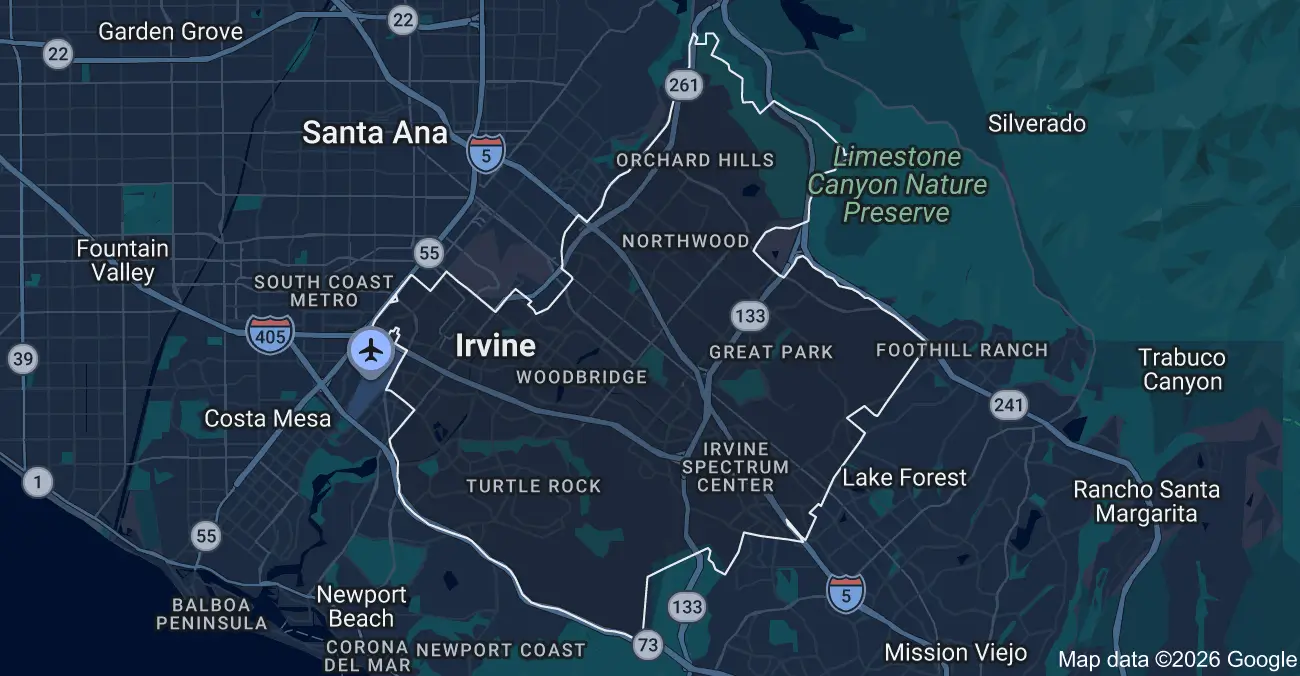
Irvine
Only 4.8% of housing was built before 1970 (SCAG, ACS 2017). Detached homes lead at 38.9%, with buildings of 5 or more units close behind at 37.4% (SCAG, 2018).
View area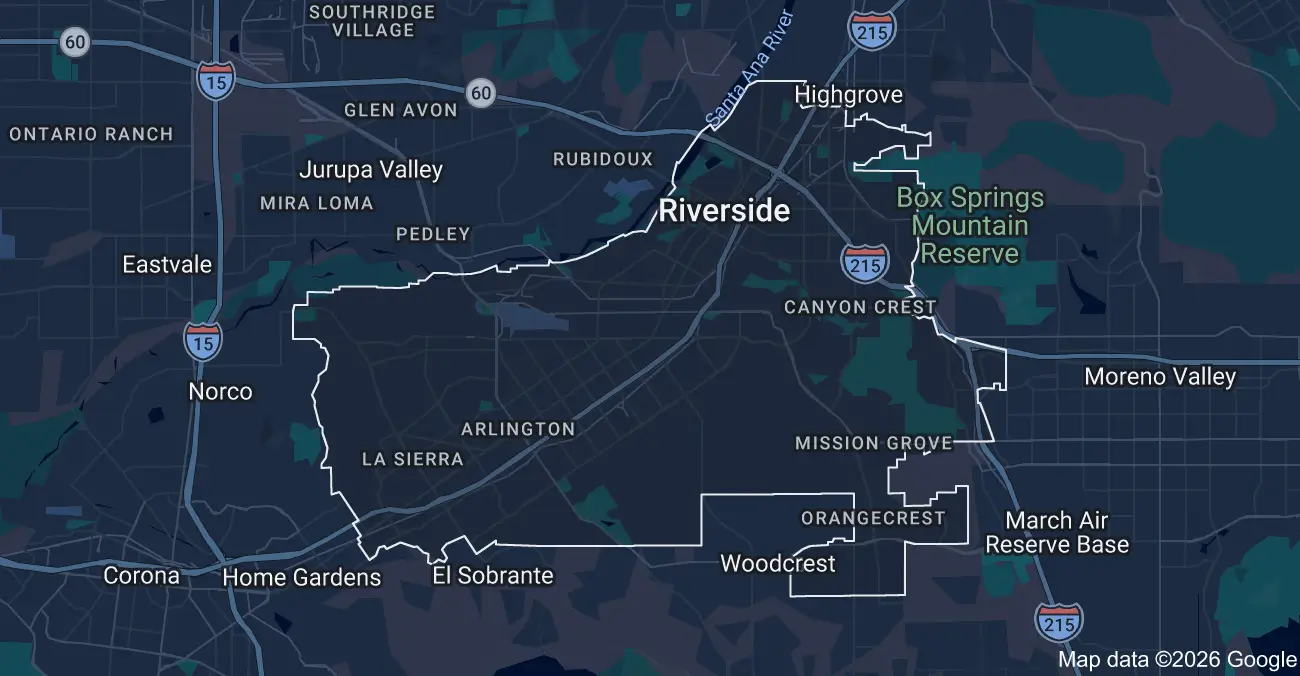
Riverside
Among the older housing stock here: 39.5% of homes were built before 1970. Riverside Public Utilities is the electric utility and publishes its own AC, heat pump, and tune-up rebates, subject to funding.
View area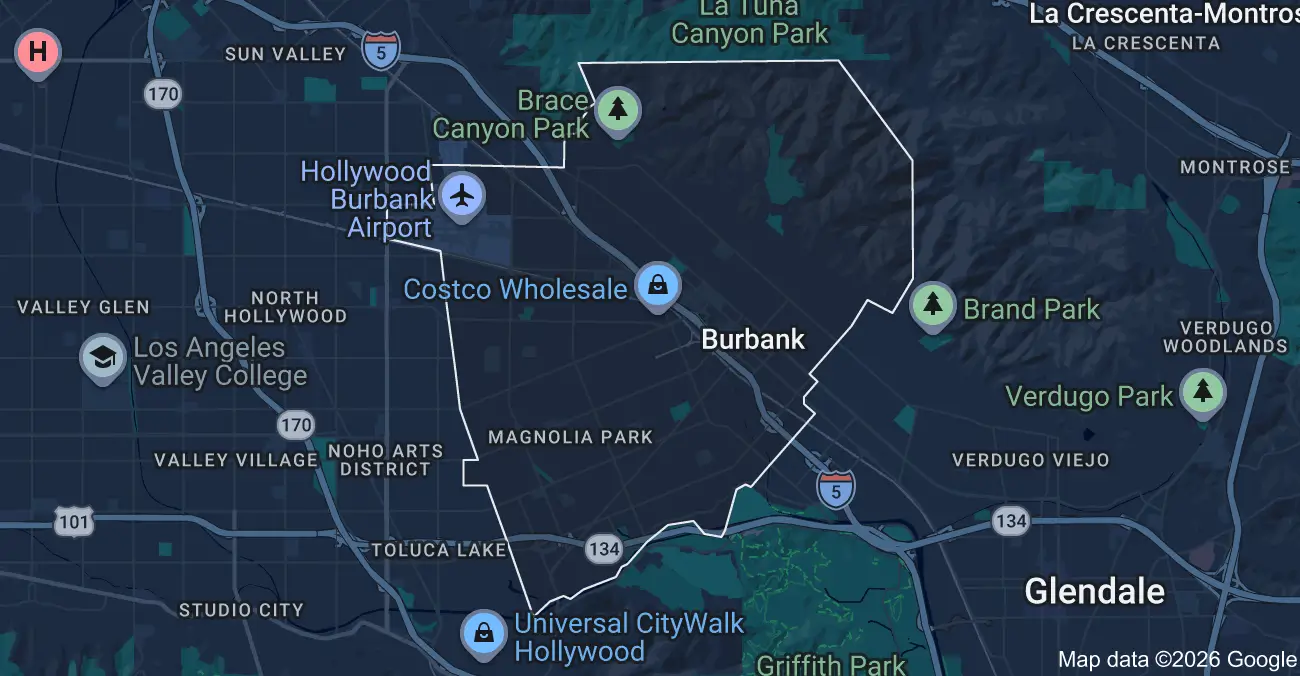
Burbank
Has its own permit tiers. Rooftop and rear-of-property replacements need an energy report.
View area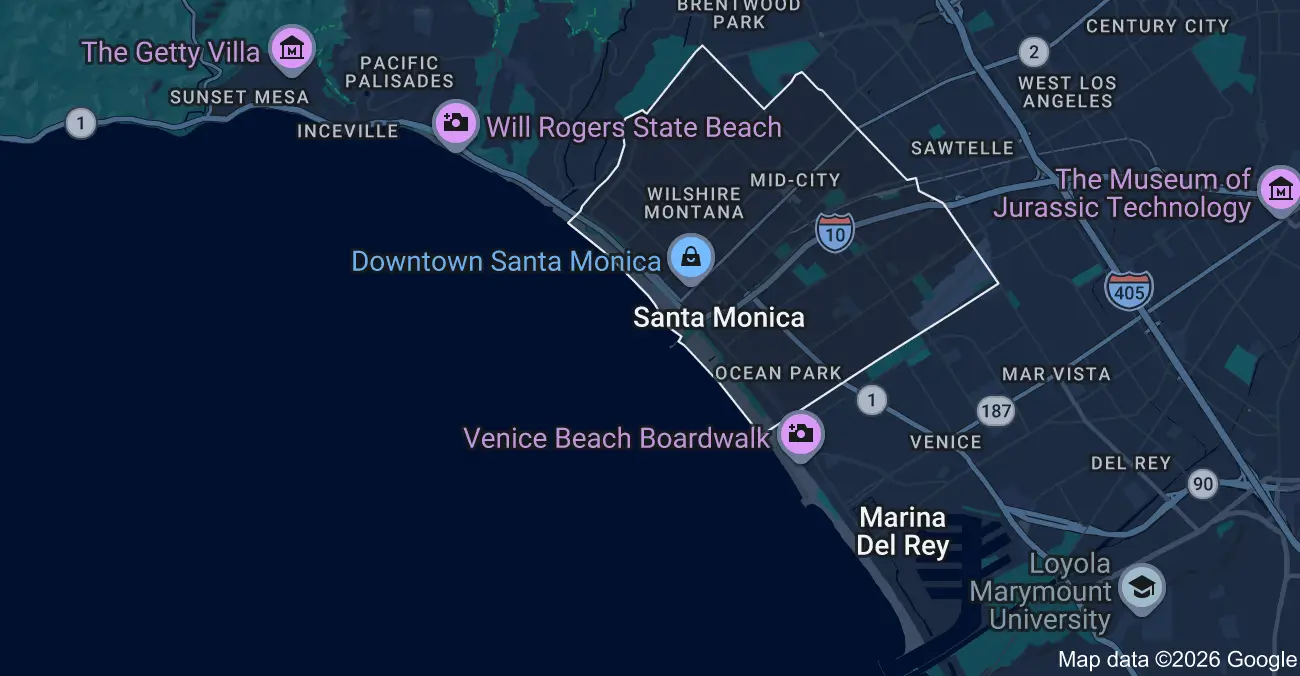
Santa Monica
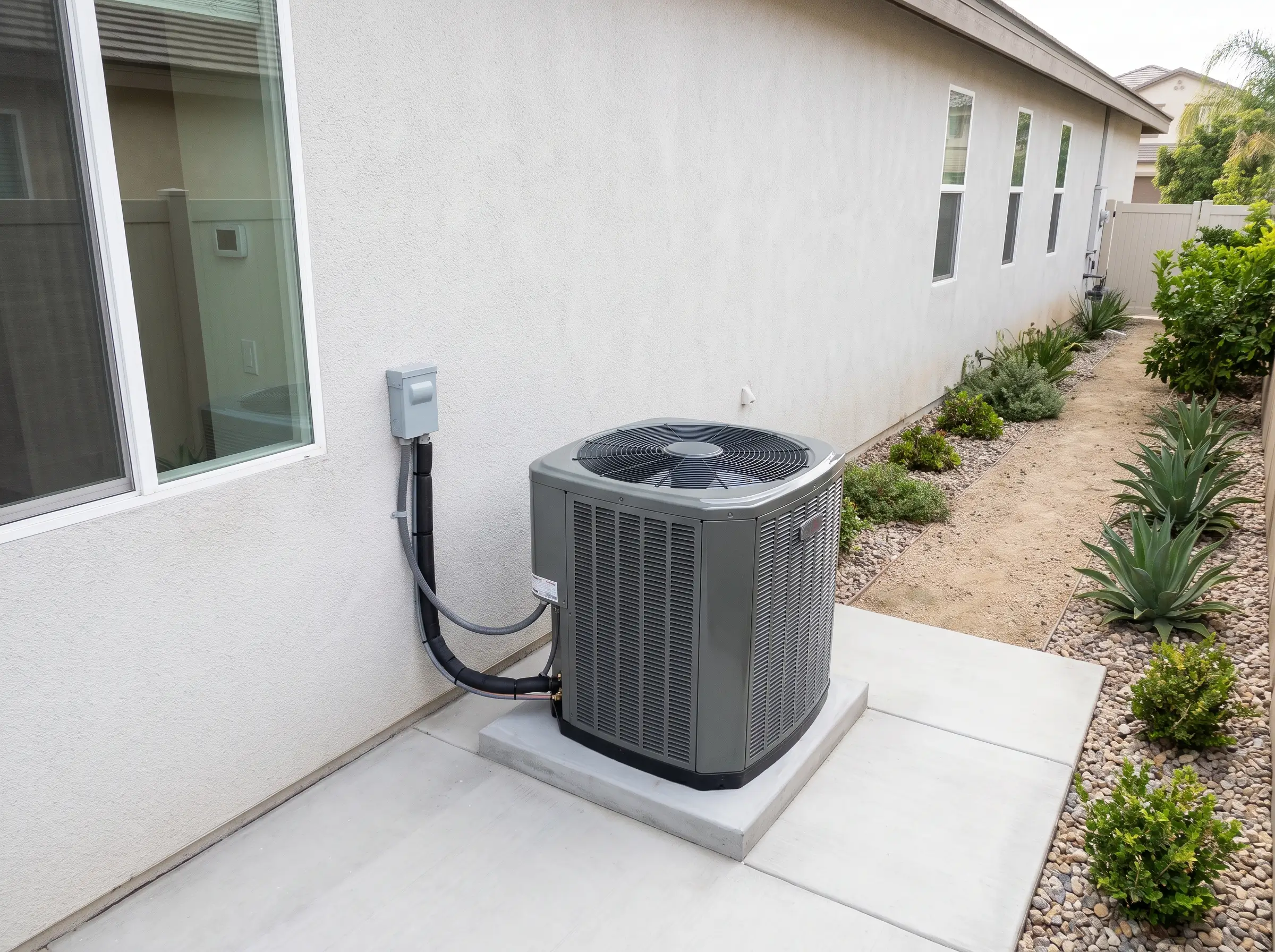
Has its own equipment noise rules for outdoor units, and the most multifamily city here at 77.5% of housing units (2018).
View area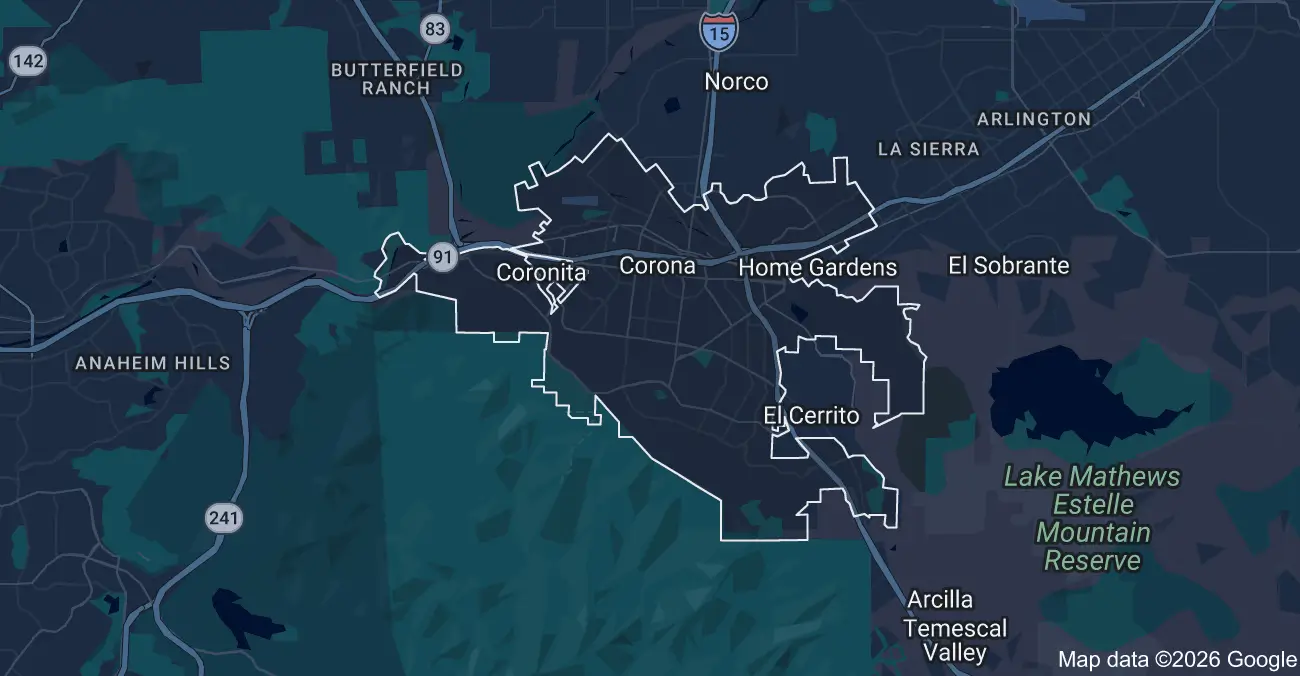
Corona
15.6% of homes were built before 1970, and 66.9% are detached homes. Electric service is mostly SCE, with small city electric areas, and the City sets setback and noise rules for outdoor units.
View area
El Segundo
Aerospace and deep-tech businesses, per the City’s economic-development site. The 2025 California Mechanical Code applies with local amendments.
View areaStart here
What does your duct problem look like?
Pick the line that sounds like your property today.
Rooms that never get comfortable
One room hot or cold, weak airflow, or high bills can point to the ducts or to the equipment. Start with an inspection.
See the symptomsVisible duct damage
Sagging, crushed, torn, or disconnected duct. A localized failure may be repairable. Widespread damage may not be.
Repair or replace?Replacing your AC, furnace, or heat pump
The ducts have to deliver the airflow the new equipment needs, so review them as part of the project.
See AC installationNo cooling or heating in extreme weather
A collapsed or disconnected duct can leave rooms without air. Call and describe what you see.
Call (323) 776-9047When to call right away
Ductwork alone is rarely an emergency, but call promptly if:
- A collapsed or disconnected duct has left the home without cooling or heating during extreme temperatures
- Someone in the home is medically vulnerable to heat
- Water is coming from a ceiling, duct, or the indoor equipment
- You smell burning or the breaker keeps tripping
- A commercial space cannot hold safe operating conditions
If you see smoke or fire, or feel immediate electrical danger, get everyone out and call emergency services first.
Signs you need this
Signs your ducts may need attention
ENERGY STAR lists high utility bills, rooms that are hard to heat or cool, stuffy rooms, kinked flex duct, and ducts in an attic, crawlspace, or garage as signs of a leaky or poorly insulated duct system. These are signs, not a diagnosis.
A room stays hot or cold. A restricted, disconnected, undersized, leaking, or poorly routed supply or return path can be the cause. So can the equipment, so it needs an inspection.
Weak airflow from the vents. Collapsed or kinked flex duct, a blockage, an undersized duct, or leakage can be behind it. A dirty filter or an equipment issue can look the same.
High cooling or heating bills. Duct leakage, poor insulation, and ducts in unconditioned space can waste conditioned air. Equipment condition and the building envelope also matter.
Stuffy or dusty rooms. Too little supply or return air, or leaks that pull air from an attic or crawlspace, can contribute. We do not diagnose air-quality causes without testing.
Whistling, rattling, or banging. Excess pressure, a restrictive grille, a loose duct, or a poor transition can make noise. Damaged duct can too.
Sagging, crushed, torn, or disconnected duct. This is physical duct failure. The affected runs are repaired or replaced, with a wider look if it keeps happening.
How it works
What happens during a ductwork visit
- 01
Book
We ask about the symptoms, the property, where the ducts run, and any recent equipment or remodel work.
- 02
Inspect
The technician inspects accessible supply and return ducts, plenums, boots, registers, insulation, connections, and flex-duct routing, including attic or crawlspace conditions.
- 03
Diagnose
Damage, leakage, sizing, return air, insulation, and equipment are separated so the right problem gets fixed. Concealed ducts may need more investigation.
- 04
Recommend
You get a repair, seal, replace, or redesign recommendation, with what is included, what is optional, and what may need a permit.
- 05
Do the work
Reconnect or replace runs, correct kinks, seal connections, replace insulation, plenums, or returns, or install new runs.
- 06
Close out
Connections are checked visually, system operation is confirmed, and you get a summary of the work and any compliance steps.
The decision
Repair, seal, replace, or redesign?
The choice is not "seal everything" or "replace everything." The inspection decides whether the issue is leakage, physical damage, undersizing, poor return-air design, excess static pressure, insulation failure, or a combination.
| Approach | It usually fits when | Keep in mind |
|---|---|---|
| Repair | The problem is isolated: a loose connection, a small tear, a disconnected run, or an accessible leak. | If the same failures keep returning, the cause may be wider than the repaired spot. |
| Seal | Leakage at connections, joints, and accessible gaps is the main issue. | ENERGY STAR recommends mastic sealant or metal tape. Duct tape is not long-lasting. |
| Replace | Deterioration is widespread, connections keep failing, or duct is badly crushed, kinked, or degraded. | Access drives the work. Attic, crawlspace, and finished-wall runs are handled differently. |
| Redesign | Airflow stays poor after repair, or sizing, return-air paths, or pressure are the real problem. | Residential duct design follows a recognized method, ACCA Manual D, which looks at duct airflow, blower airflow, and the pressure drops of system components. |
Weak airflow or warm air can also come from the cooling equipment. See AC repair
The quote
What is included and what can cost extra
A ductwork scope often includes
- Inspection and a discussion of the scope of work
- Repair or replacement of the specified duct runs
- Connections, sealing, support, and specified insulation
- Specified registers, grilles, boots, plenums, or returns
- A basic operational test
- Removal and disposal of specified, accessible old materials
- Jobsite cleanup
What can add to the cost
- Permit fees and jurisdictional processing
- Diagnostic testing, verification, or air balancing, if required or offered
- Attic or crawlspace remediation, pest cleanup, or asbestos and lead investigation
- Drywall, ceiling, flooring, or cabinetry repair after access is opened
- Electrical work, equipment replacement, or crane work
- Concealed-duct access and restoration
- Mold remediation, water-damage restoration, or structural repairs
Ask your technician which of these apply to your job before you approve the work.
Parts
What ductwork service covers
A duct system is more than the visible runs. Repair or replacement can involve any of these parts.
Supply ducts
Deliver cooled or heated air to each room. Leaks and restrictions here show up as weak or uneven airflow.
Return ducts
Carry room air back to the air handler or furnace. Undersized or blocked returns limit how much air the system can move.
Plenums
The main supply or return distribution boxes near the equipment. Worn or leaking plenums can be replaced.
Trunk and branch runs
Larger main ducts and the smaller runs that serve individual rooms, repaired or replaced as needed.
Flex and rigid duct
Flex duct is common in attics and tight-access homes. Rigid metal suits exposed or durability-critical runs.
Boots, registers, grilles, and dampers
The fittings at each room and the parts that direct and control airflow.
Equipment
Systems that use ductwork
| System type | How ductwork applies |
|---|---|
| Split central AC and furnace | Usually relies on supply ducts, returns, plenums, and registers. |
| Split heat pump with air handler or furnace | Usually ducted. A replacement is a natural time to review duct condition and the compliance path. |
| Packaged unit | Can connect directly to supply and return ducts. Rooftop package units are common in many commercial settings. |
| Ducted mini-split | Uses compact concealed duct sections or short runs. It is not the same as a ductless mini-split. |
| Ductless mini-split | Indoor heads do not use central supply and return ducts. A property can have both ductless and ducted equipment. |
| Commercial rooftop unit | Typically uses supply and return duct systems, curbs, plenums, and diffusers, and sometimes zoning or outside-air components. |
Ductless mini-split service · Heat pump services · Furnace installation
Can sealing or replacing ducts lower my energy bill?
It can reduce waste when leakage is part of the problem. ENERGY STAR estimates that 20 to 30 percent of the air moving through the duct system in a typical house can be lost through leaks, holes, and poor connections, and says leaky ducts can raise utility bills and make rooms hard to keep comfortable. Savings are not guaranteed, because bills also depend on equipment condition, thermostat settings, insulation, weather, and energy rates.
Source: ENERGY STAR, Duct sealing
Do new ducts change my air conditioner's efficiency rating?
No. Efficiency ratings such as SEER2 apply to the HVAC equipment. Properly designed, sealed, and insulated ductwork helps the system deliver air as intended, but it does not by itself change the equipment's published rating. Ductwork also contains no refrigerant. If ducts are replaced along with a new AC or heat pump, the equipment quote should identify the refrigerant platform, compatibility requirements, and any installation changes for that equipment.
Pricing
What affects ductwork cost
Ductwork pricing depends on whether you need a small repair, sealing, one or more replacement runs, a new return or plenum, or a complete duct-system redesign. The table shows what moves the total, so nothing about your quote is a surprise.
| Factor | How it affects the job |
|---|---|
| Number, length, and size of runs | More supply and return runs, and longer runs, mean more material and labor. |
| Duct type | Flex duct, rigid duct, and custom-fabricated components are priced and installed differently. |
| Access | Attic, crawlspace, garage, roof, wall, ceiling, or slab access changes the scope. |
| Existing condition | Deteriorated, crushed, disconnected, contaminated, or inaccessible duct can widen the work. |
| Design changes | New return-air capacity, plenums, boots, dampers, grilles, transitions, or room-by-room airflow correction add scope. |
| Insulation and vapor barrier | Insulation requirements and the condition of existing insulation affect materials and labor. |
| Permits and verification | The permit path and any required testing or energy-code documentation depend on the project and the jurisdiction. |
| Finish restoration | Opening drywall, ceilings, flooring, or cabinetry means restoring those finishes. |
| Equipment coordination | Ductwork done with a new furnace, AC, heat pump, coil, air handler, or thermostat is scheduled and scoped together. |
| Commercial access | Tenant coordination, rooftop access, cranes, after-hours work, and business continuity change how a job is planned. |
We inspect the system first and talk through the scope with you. Timing depends on the scope: a small accessible repair is different from a full replacement with permits or verification, so ask for the expected schedule when you discuss the scope.
The rules
Licensing, permits, and energy-code basics
Licensing
California's C-20 classification covers warm-air heating, ventilating and air-conditioning systems, including the ducts, registers, plenum chambers, and air filters connected to them. Ask to verify any contractor's active C-20 license and insurance on the CSLB website before authorizing ductwork tied to your heating or cooling system.
Permits
Whether a permit is needed depends on the scope of work and your city or county. Ask your contractor and your local building department what applies before work begins.
Energy code
The 2025 California Energy Code applies to permits applied for on or after January 1, 2026, and its standards include duct-sealing procedures, materials, diagnostic testing, and field verification. Some permitted residential HVAC alterations and ductwork scopes can require energy-code documentation and third-party verification. Requirements depend on the project and jurisdiction, so confirm the compliance path before work begins.
Rebates and incentives
Utility and state programs mostly focus on qualifying equipment, not standalone ductwork. LADWP lists rebates for eligible heat-pump HVAC equipment for its customers, and Southern California Edison's income-qualified Energy Savings Assistance Program offers energy-efficiency upgrades to eligible households. Whether a program covers duct work depends on your address, utility account, project, and funding status, and programs change. Checked September 2026. Confirm with the utility before you buy or schedule.
LADWP Consumer Rebate Program · SCE Energy Savings Assistance Program
Who this is for
Residential and commercial ductwork
- Single-family homes
- Older homes with past additions
- Condos and townhomes
- Apartment communities
- Offices, retail, and restaurants
- Rooftop package units
Older homes may have gone through additions, remodels, equipment swaps, or partial duct repairs over the years, so we inspect before recommending replacement. Condos and multifamily buildings can involve access, exterior-equipment approval, and tenant scheduling. Commercial spaces add rooftop access, occupied-space coordination, and a documented scope. If your property is ductless-only, central ductwork does not apply, and the ductless mini-split page is the better fit. Commercial HVAC · Residential HVAC
Where we work
Ductwork service across Southern California
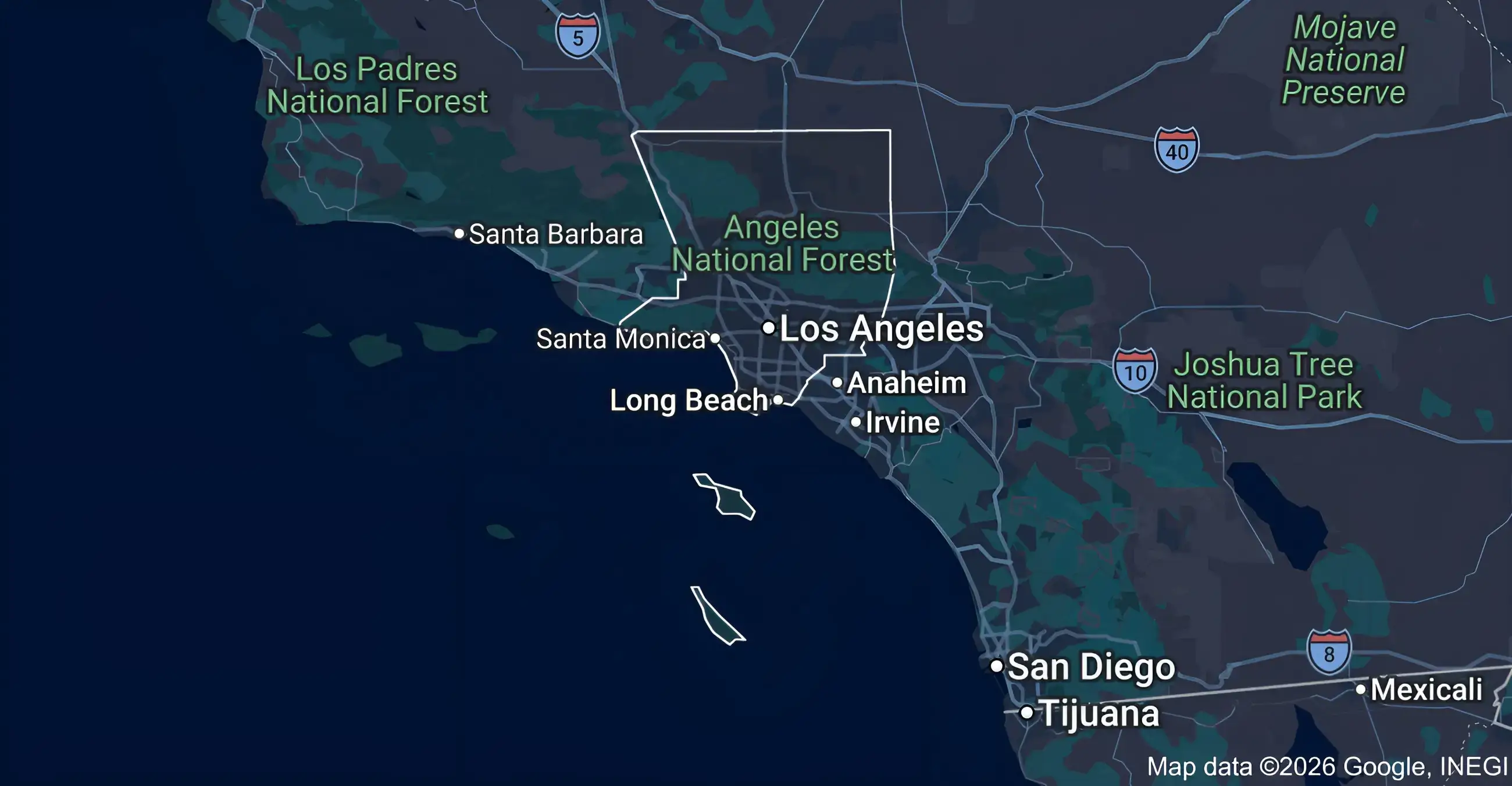
Southern California is not one climate. In NASA JPL's analysis of two Southern California heat waves in 2020, southern Los Angeles County and Orange County stayed cooler because of the Pacific, while valley areas including Riverside skewed drier and hotter. Muggy August nights raised nighttime heat stress in both coastal and inland areas.
Weather explains when duct problems get noticed, not where the problem is. A room that never cools, or a system that runs all afternoon, makes the ducts and airflow one place to look, alongside the equipment, the filter, and the building envelope.

Los Angeles County
Ductwork in LA County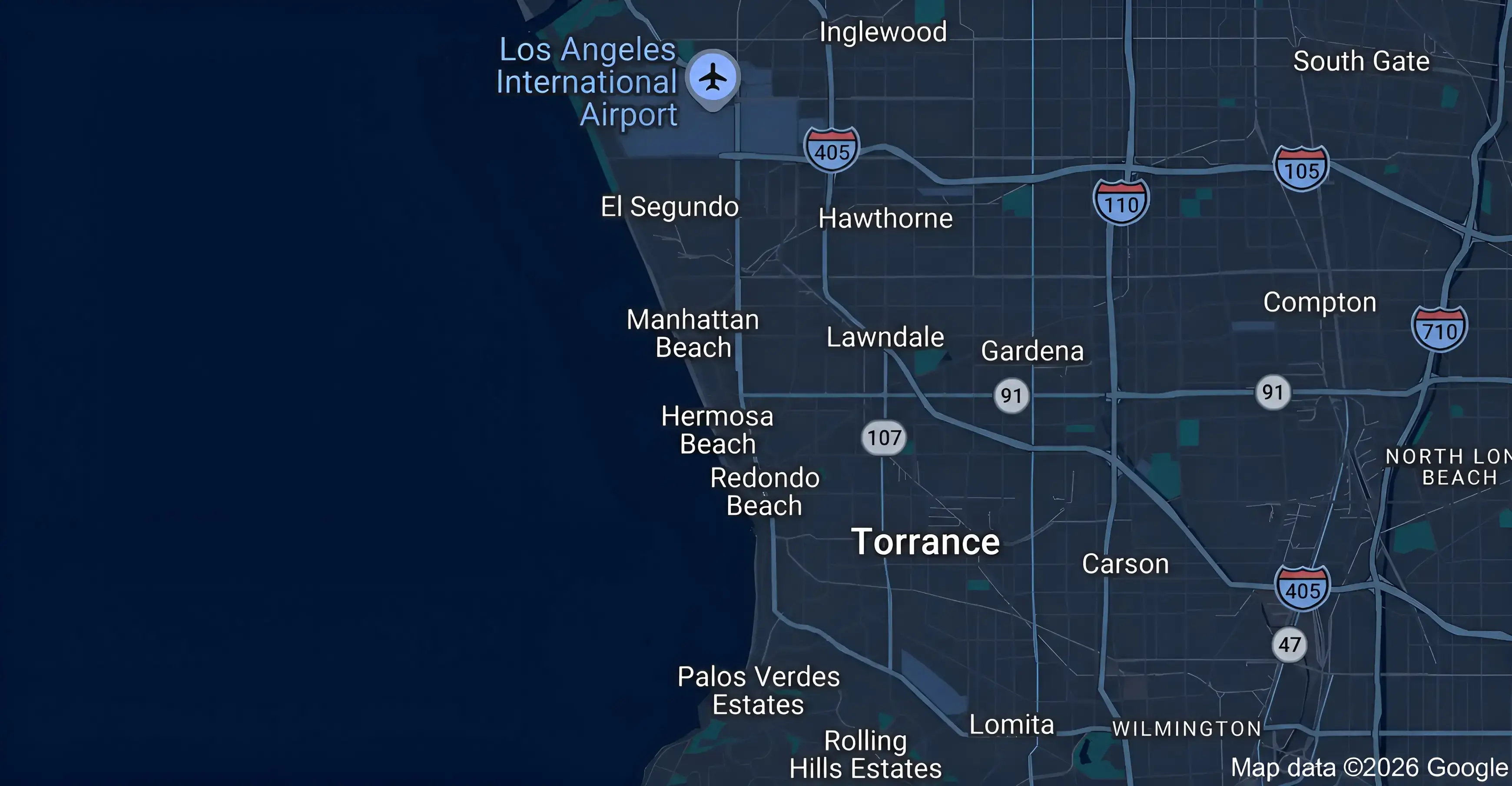
South Bay
Ductwork in the South Bay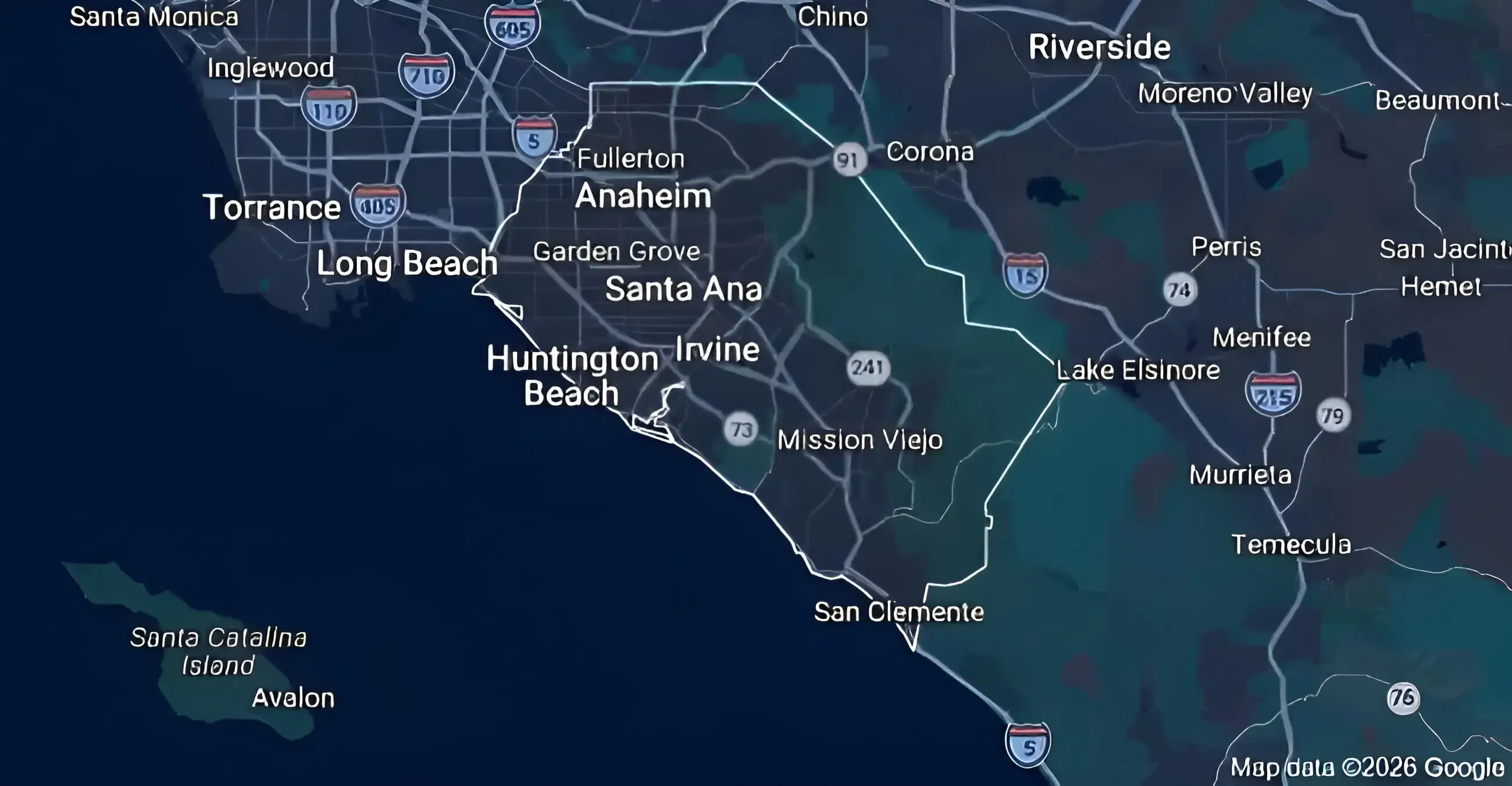
Orange County
Ductwork in Orange County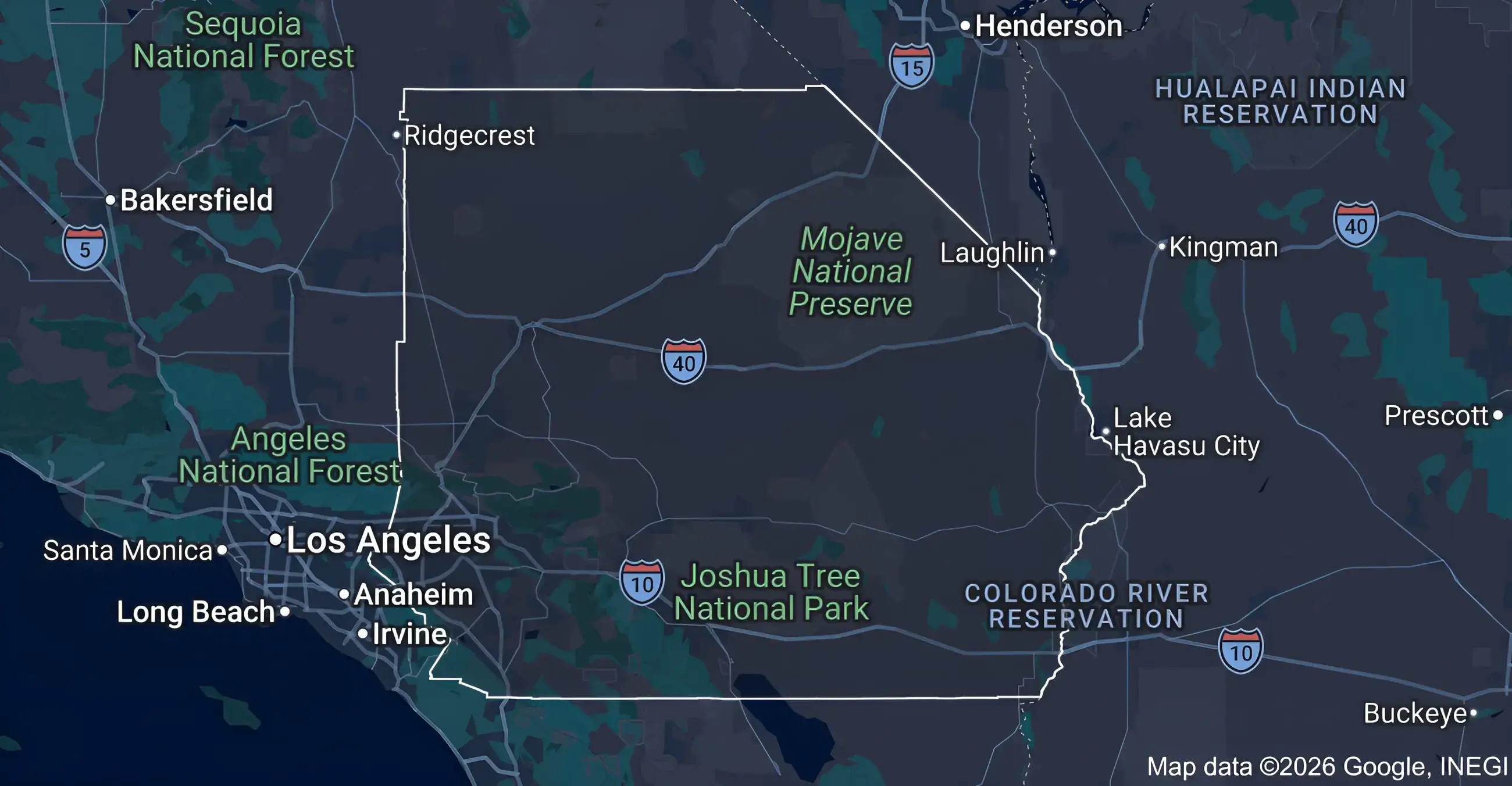
Inland Empire
Ductwork in the Inland EmpireDon't see your city? Call us and we will confirm coverage.
Why AIRPRO SOLUTIONS
An inspection before a replacement quote
You get a plain-language explanation of what is wrong, what can be repaired, and what needs replacing, so you can decide what to do next.
Related
Explore related services
AC Repair for Weak Airflow or Warm Air
Diagnosis and repair for air conditioners that aren't cooling, blow warm air, leak, or make unusual noises.
View service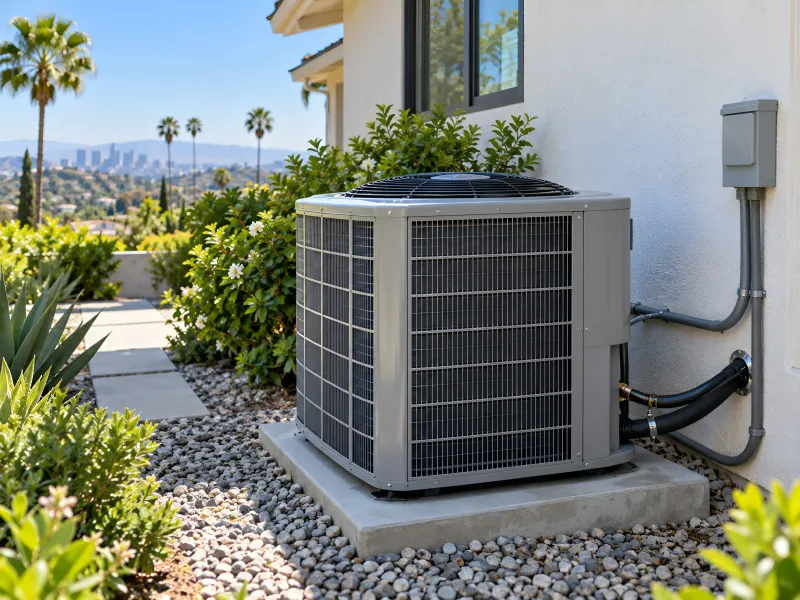
AC Replacement and Ductwork Planning
New air conditioner installation and system replacement, sized to your home or business.
View service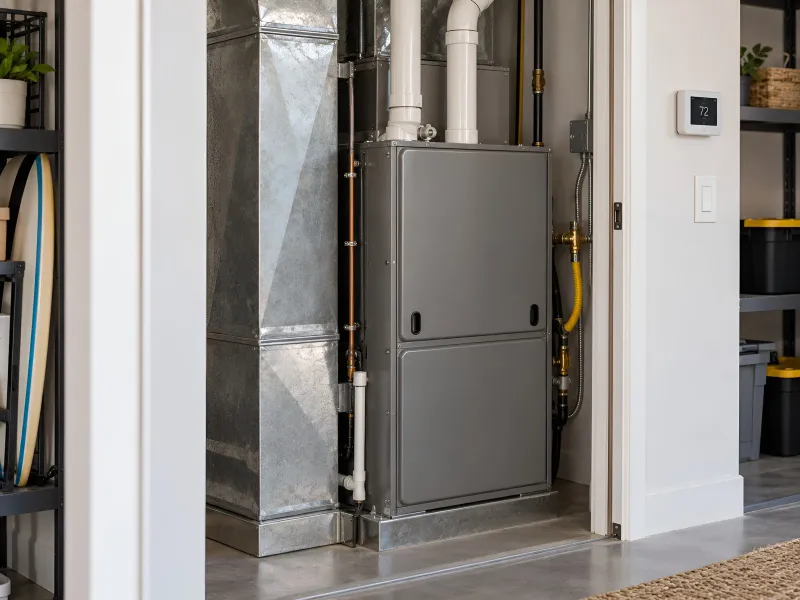
Furnace Repair for Cold Rooms and Weak Heat
Diagnosis and repair for furnaces, heat pumps, and heating systems that won't turn on or heat unevenly.
View service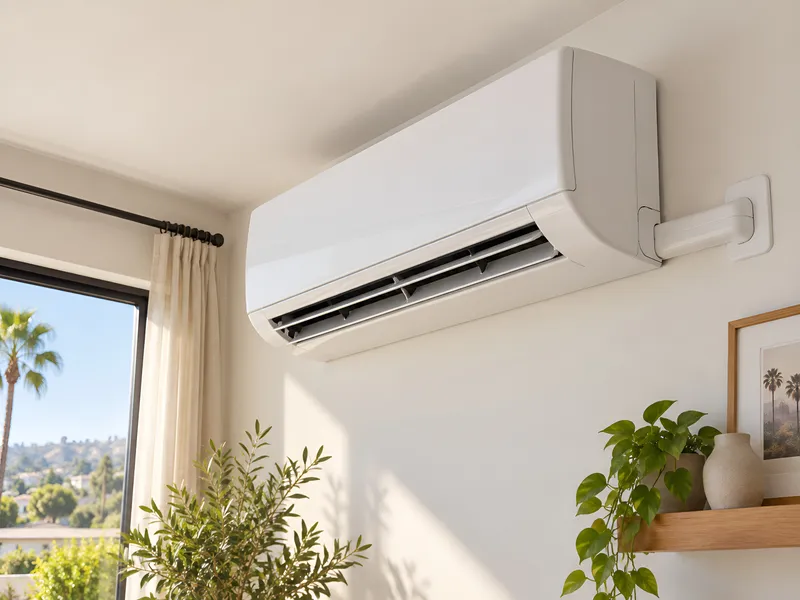
Ductless Mini-Split Options for Problem Rooms
Ductless mini-split installation and service for additions, garages, and homes without central ductwork.
View serviceMore on this topic: Furnace replacement and airflow evaluation · Heat pump installation with ductwork evaluation · Indoor air quality and filtration options · AC maintenance and seasonal system checks · Emergency HVAC service · Commercial HVAC and ductwork services
Direct answers
Ductwork questions Southern Californians ask
How do I know if my ductwork is leaking?
High utility bills, rooms that are hard to heat or cool, stuffy rooms, ducts running through an attic, crawlspace, or garage, and kinked or tangled flex duct are common warning signs. ENERGY STAR estimates that 20 to 30 percent of the air moving through the duct system in a typical house can be lost through leaks, holes, and poor connections. These are warning signs, not a diagnosis, so an inspection is how you confirm it.
Can bad ductwork cause one room to be hotter or colder than the rest of the house?
Yes, it can. Uneven room temperatures can come from duct leakage, restrictions, poor connections, missing insulation, poor duct design, too little return air, or a problem with the HVAC equipment. A professional assessment should identify the actual cause rather than assume the ducts are solely responsible. ENERGY STAR lists rooms that are difficult to heat or cool as a common sign of duct problems.
Should I repair or replace my ductwork?
Repair often fits an isolated problem, while replacement or redesign fits widespread or repeating problems. Repair may be appropriate for accessible leaks, loose connections, small damaged sections, or a limited number of failed runs. Replacement or redesign may make more sense with widespread deterioration, repeated disconnections, major crushing or kinking, poor sizing, degraded materials, or airflow problems that persist after repair. The exact decision requires an inspection.
What is duct sealing, and what materials should be used?
Duct sealing closes leaks at connections, joints, and accessible gaps to reduce air loss. ENERGY STAR recommends mastic sealant or metal tape, and says duct tape is not long-lasting.
Do I need my ductwork checked when I replace my AC, furnace, or heat pump?
It is smart to, because the ducts have to deliver the airflow the new equipment needs. California energy-code and permit requirements can also apply to certain alteration scopes, so confirm the compliance path for your project before work begins.
Can crushed or sagging flex duct be repaired?
Sometimes. If the problem is localized and the duct is otherwise serviceable, routing and support can be corrected or the affected section replaced. If several runs are deteriorated, undersized, poorly routed, or repeatedly failing, broader replacement may be more appropriate. ENERGY STAR identifies tangled or kinked flexible duct as a warning sign.
What is static pressure, and why does it matter?
Static pressure is resistance to airflow in the HVAC system. A post on the ACCA blog explains that high static pressure can keep the blower from moving the airflow the system needs, which reduces performance. A qualified technician can compare a measured reading with the equipment manufacturer's rated limit when that test is part of the diagnosis.
Are permits required for ductwork in California?
It depends on the scope of work and your local jurisdiction. HVAC alterations, equipment changes, and some ductwork modifications can trigger permit and energy-code requirements. Confirm what applies with your local building department and your contractor before work starts. California's 2025 Energy Code applies to permits applied for on or after January 1, 2026.
How much does duct replacement cost in Southern California?
There is no reliable one-price answer. Access, the number and length of runs, duct material, insulation, design changes, permits, and finish repairs can all move the total. Online price figures are planning references, not a quote. We inspect first and talk through the scope with you.
Will sealing ducts reduce my energy bill?
It can reduce waste when duct leakage is part of the problem. ENERGY STAR states that leaky ducts can raise utility bills and make it hard to keep rooms comfortable. Savings are not guaranteed, because bills also depend on equipment condition, thermostat settings, insulation, weather, occupancy, energy rates, and the building envelope.
Get your ductwork inspected
Call us or request service online.